
Last month, as we went to print, we had just learned of the fire at The Magic Castle, which took place on April 7. This month we are thrilled to know that the combined forces of Magic Castle Enterprises and the Los Angeles Fire Department minimized both damage and the impact on The Castle’s operations. You can read more in The Eye.
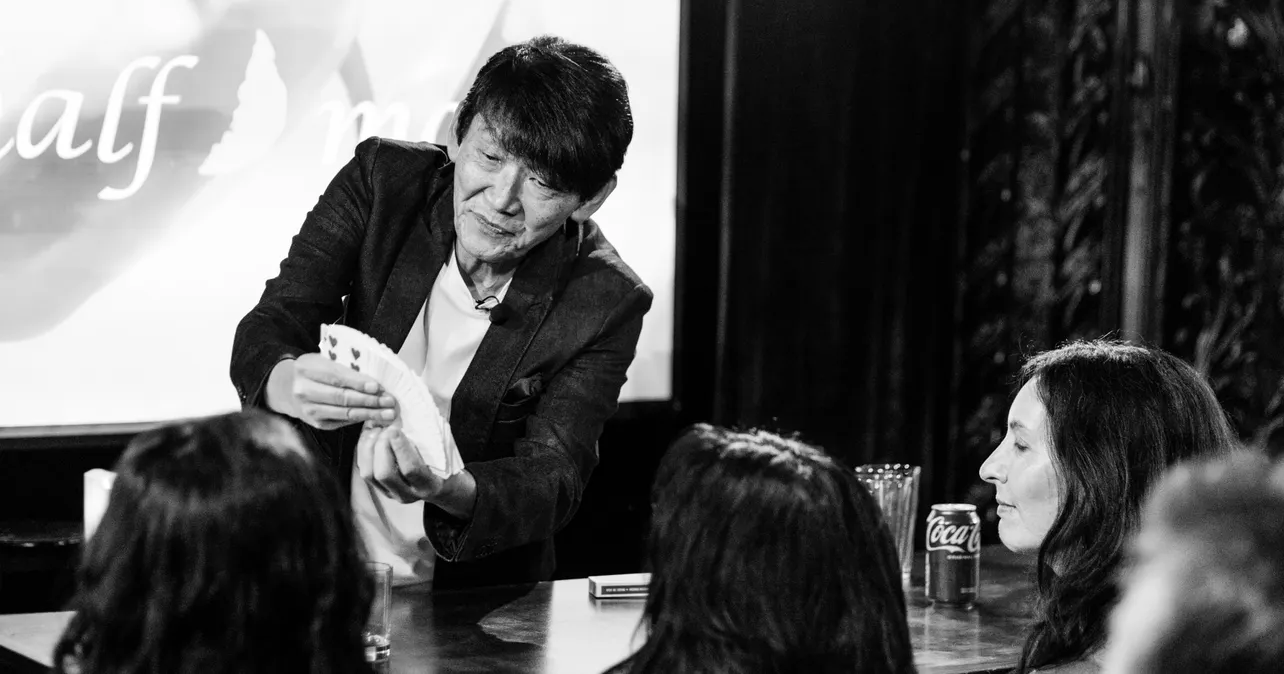
As you page through the issue you may also spot The Castle’s influence emerging in another way. Since the beginning of this year there has been a regular program of Magic Castle Artists in Residence, each bringing their skills and expertise to the members and their guests. At Genii we have been thrilled that they have also agreed to share some of their thoughts in our pages. And this month we add pieces by or about two such artists in residence, Pop Haydn and Hide Yamamoto (the other in residence from the current program was Jack Goldfinger, whose work we shared in our April issue). Here at Genii HQ we have had a sneak peek at the list of artists booked later in this year—if you can get to The Castle then make sure you make the most of the opportunities to interact with these performers: if not, enjoy the next best thing in Genii.
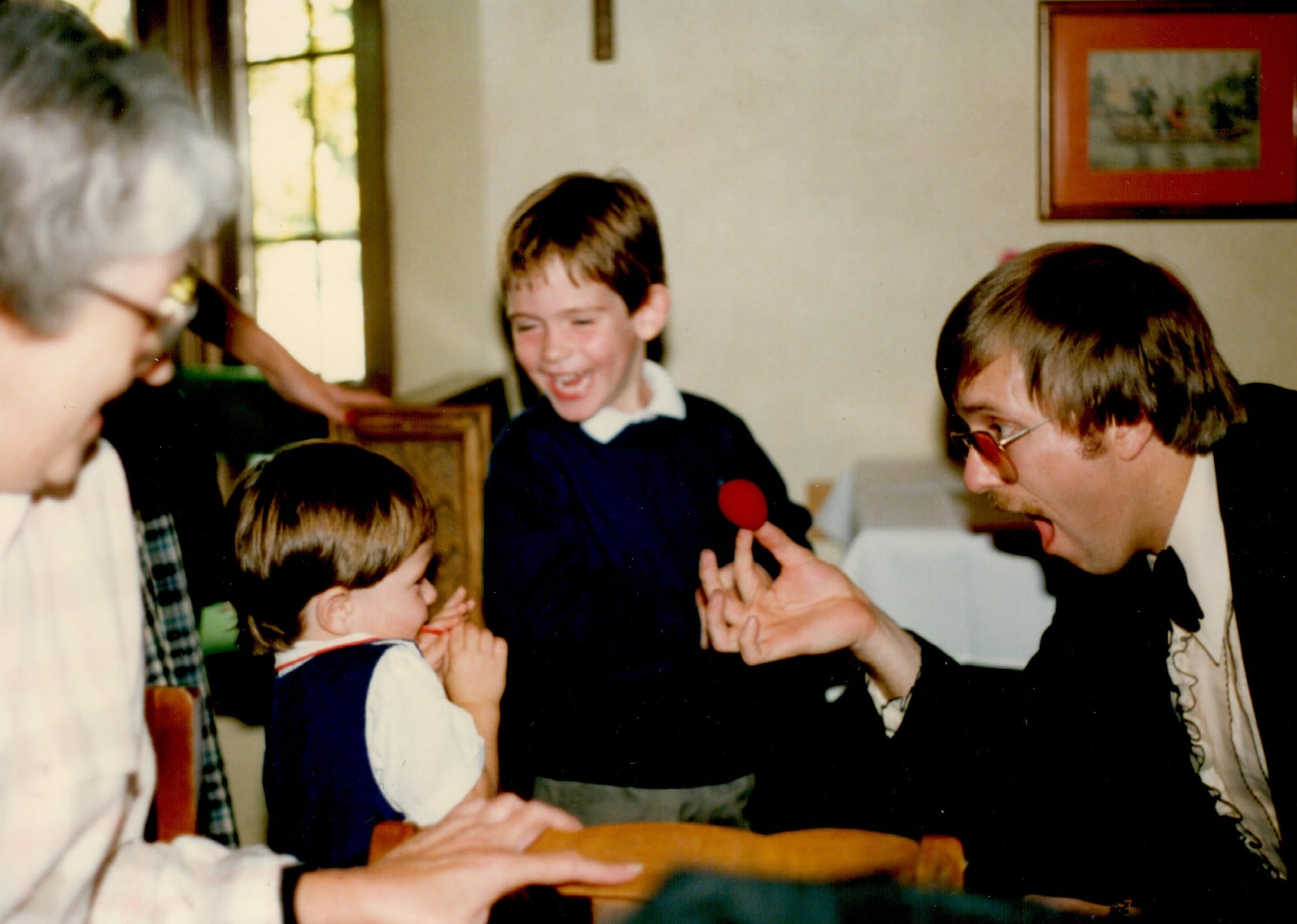
Jumping into the body of our June issue we have two features to share. Norman Beck is a name that I have heard often but a person I have never met. If you are like me, Geoff Grimes’ feature on Norman and his work is the perfect introduction, letting you dip a toe into a world full of magic, tall tales, big bets, and carefully considered character. And if you know Norman I hope you will both recognize a friend and learn something new about his multifaceted life.
I have often thought that an editor’s success is inversely proportional to the number of items that appear in their magazine under their byline, a measure by which I make my first major failing at Genii this month. One hundred and fifty years ago Professor Hoffmann’s Modern Magic was published, an event that changed magic in ways that reverberate today. Given the Professor was the subject of my PhD thesis, the opportunity to explain why he was so important was too good to miss, and so in these pages I have tried to set forth why Hoffmann matters to you.
For those who always jump to the tricks we have plenty in store for you this month. Benjamin Barnes settles into his role as magic editor with his second Magicana, presenting mentalism and magic using Rubik’s Cubes, cards, coins, and more. If that wasn’t enough, we then add Roberto Mansilla’s regular column of stand-up material, Blake Vogt exploring creativity (and a clever trick) with Jeki Yoo, and Neil Tobin solving a puzzle from a Clayton Rawson murder mystery—in this case a neat second phase for Brainwave.
Among our regular Voices columnists this month we share the second installments in the series by R. Paul Wilson and Marc Kerstein, respectively exploring the cycle of practice, rehearsal, and performance; and the structural differences between app magic and other forms. And Mind2Mind dig into how the development processes that might not be apparent to an audience on a surface level still hold value.
The value of the development process, which Mind2Mind draws your attention to in their piece, is just one of a number of factors behind the editorial team’s views on the use of artificial intelligence (which prioritizes product over process) in the production of Genii. In this issue we solidify that view by sharing our approach to the use of AI in these pages.
If you fancy a quick trip around the world you can experience one of Hide Yamamoto’s performances in Tokyo’s legendary Half Moon via a custom recreation of the bar in Los Angeles’ Magic Castle. And then you can travel a couple of hours south of Barcelona to pop into Rodney James Piper’s House of Illusion (a venue where I performed my FISM act in 12 shows per week for a couple of summers).
That already sounds like a pretty substantial issue of the magazine, but only scratches the surface with much more to be discovered, whether reviews and a forgotten trick in Marketplace; quasi-impossible card folds and keynote talks in Workshop; or historical perspectives, coffee with a theme-park legend, and a trip to New York with the artistic Shimpei Katsuragawa via the lens of Hal Schulman.

Returning to professor Hoffmann for a moment (if not in this issue, then when?), something that was outside the scope of my article, but which I am confident is relevant to Genii readers, is that he also wrote on other subjects, including tricycle riding and home exercises. I share the following gems from two of his books in the hope they allow Hoffmann’s influence to spread into your non-magic life as well as your work as a conjuror.
Home Gymnastics for Young and Old (1891) explains a manageable exercise program to maintain fitness, and offers supplementary advice on the best diet to complement this regimen. Mention of sherry, port, or claret at lunchtime piqued my otherwise failing interest. Continued research confirms an approach that includes five glasses of fortified wine and a tumbler of gin, whiskey, or brandy each day as part of a healthy diet. Despite my best efforts this has not yet had the desired effect.
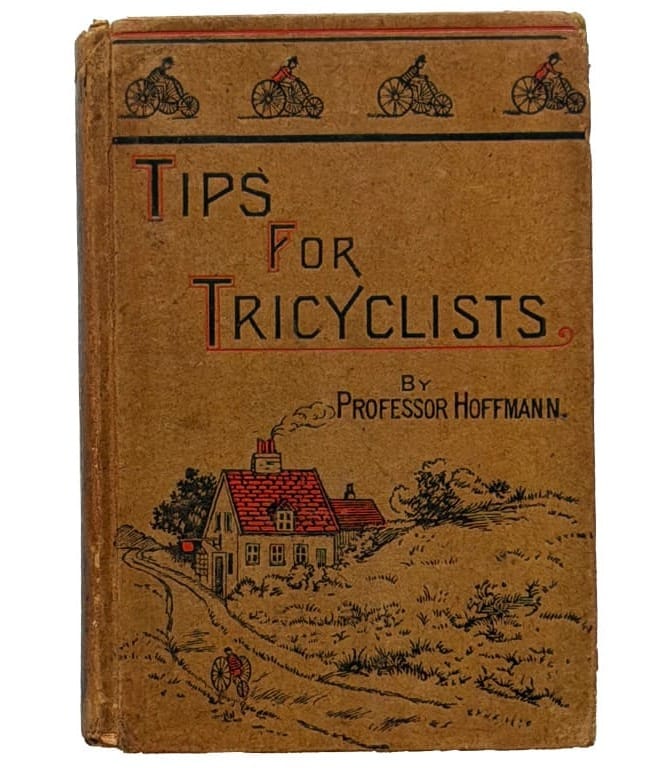
Magicians are not renowned for their physical prowess, but I am confident that many Genii readers will be tricycling enthusiasts, given the popularity of this mode of transport in the 21st century. With that in mind, I share an insight from the seminal Tips for Tricyclists (1887), an A to Z of advice for the tricycle rider. “Never run over an only child; parents don’t like it.” Wise words, which Hoffmann qualifies by offering: “Where the family is large they are less particular.”
(Genii accepts no liability for drunken tricycle riding.)