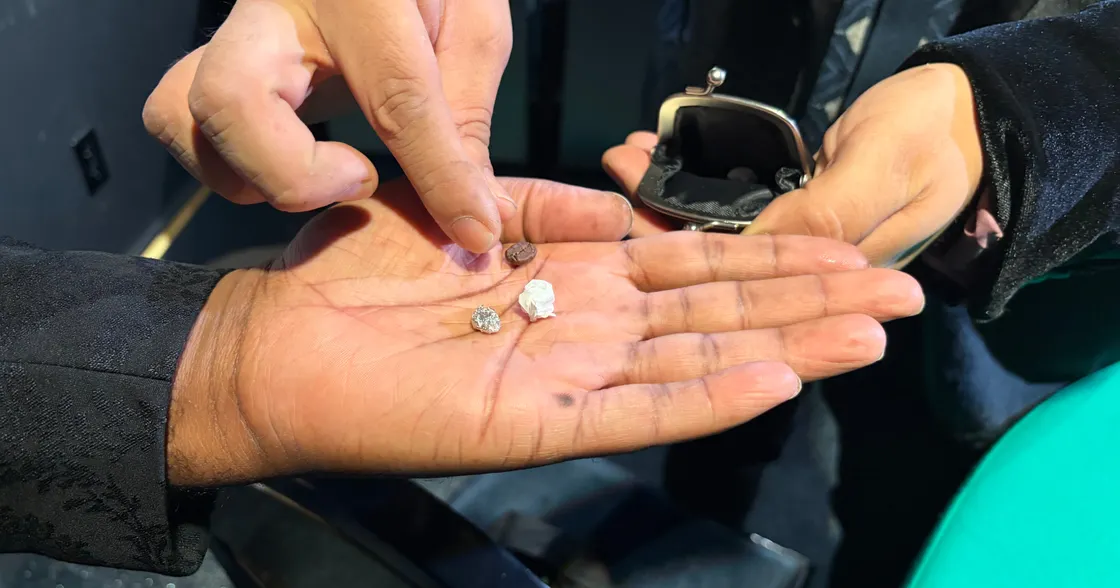
The Chocolatier
A sweet something from nothing! Here’s a great flash production of a little candy treat.
A collection of curated magic material from magicians from around the world.
A sweet something from nothing! Here’s a great flash production of a little candy treat.
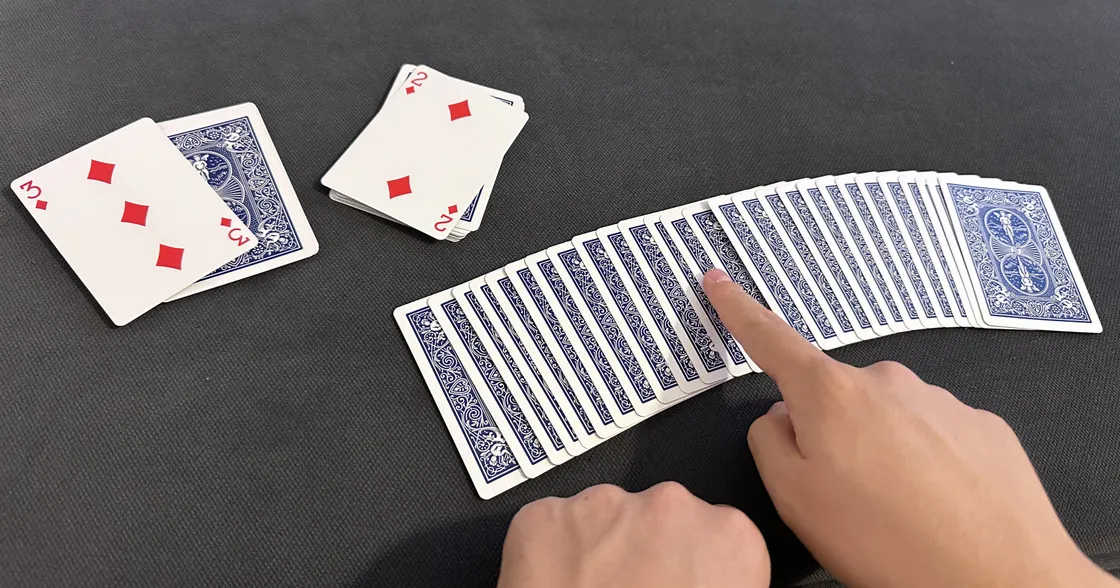
A fun and surprising way for your spectator to find four-of-a-kind.

Using old radio advertising tricks to ramp up the drama for this Follow the Leader routine.
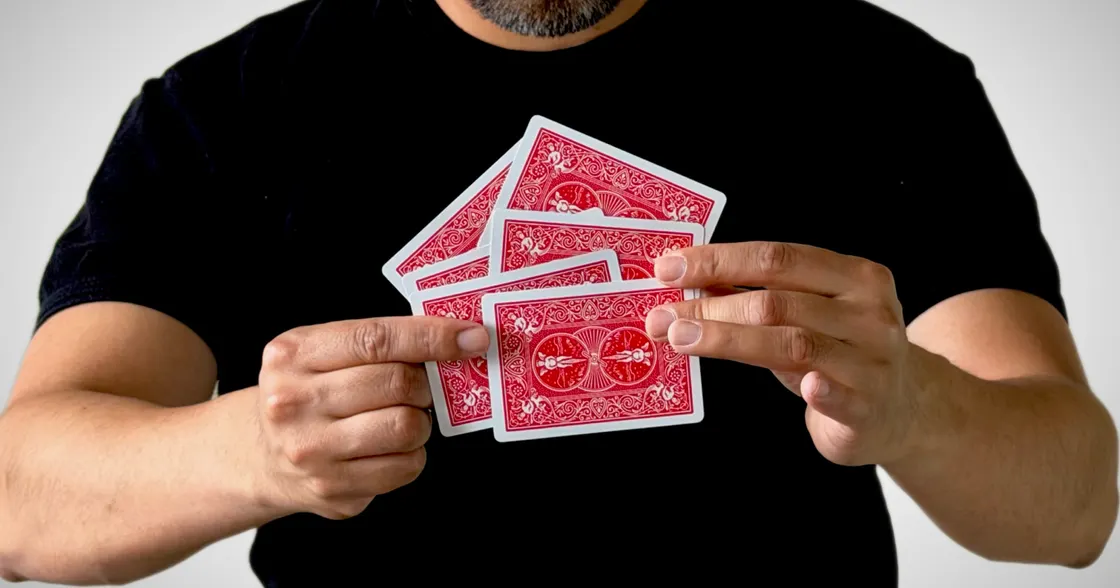
Miracle Mixture is a sequence for the Oil and Water plot that can be incorporated into a longer routine. The sequence doesn’t rely on any strange counts; instead, it uses an extremely fair display.
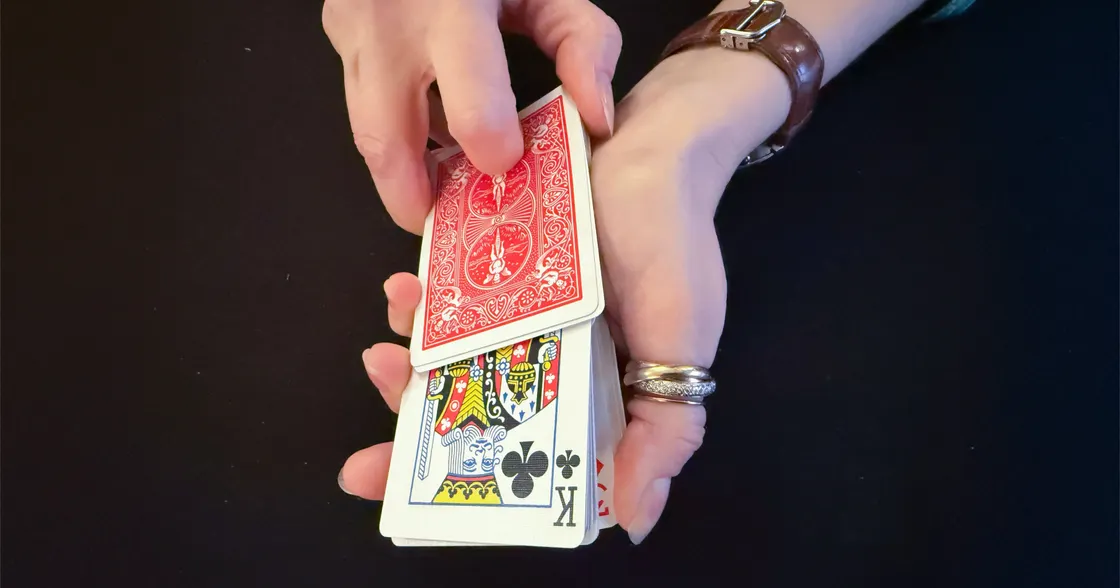
The magician shows a deck of cards, cuts it in half, and turns one half face up. They weave the two halves together very cleanly and openly. After a magical gesture, all the cards face the same way.
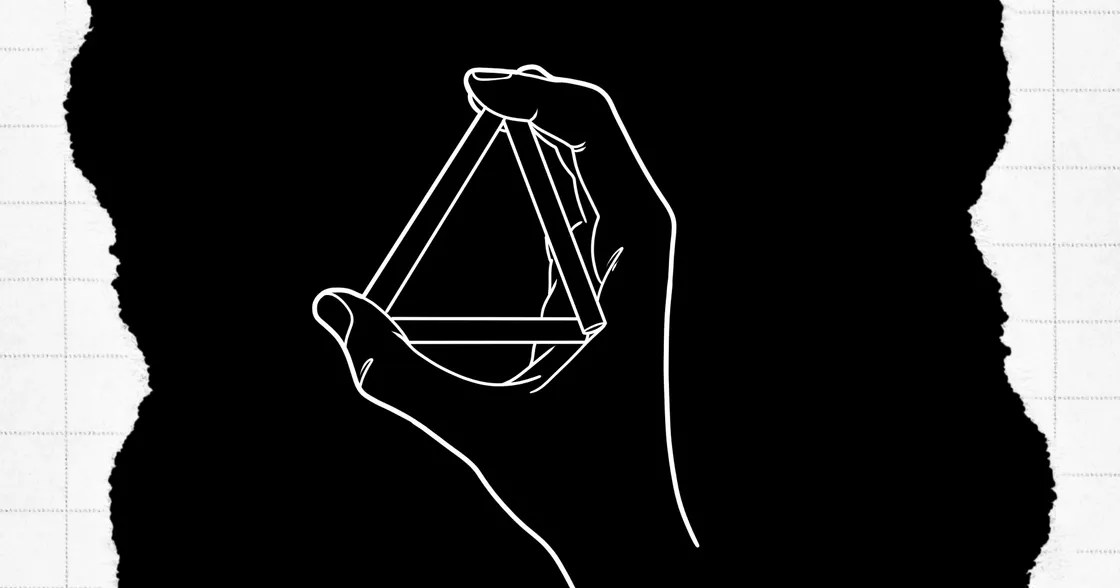
A great trick to have handy. Two straws are folded into triangles and they are inked and unlinked—and can be examined after the magic.

Meet some new magic contributors and discover some great impromptu tricks, just in time for the holidays!
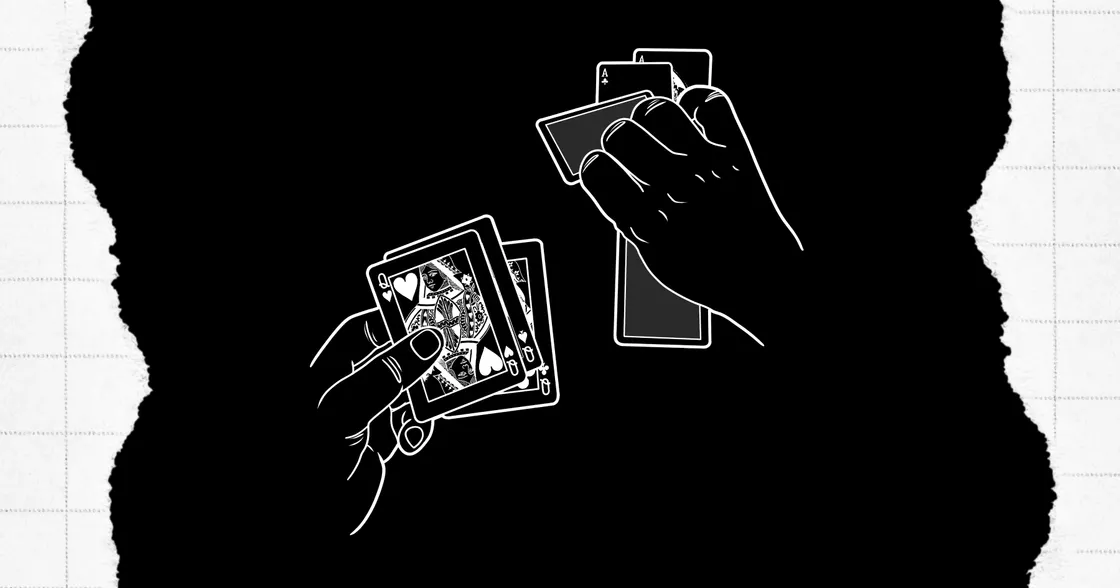
Like every master, Roberto has developed his own interpretation, adding numerous subtleties while remaining close to Kane’s original concept.

This is a cheeky, highly visual ring penetration that can be added to almost any sequence involving a ring, such as a Linking Rings or Ring and Rope routine.

This gimmick allows you to transform bills into playing cards and vice versa. The effect is extremely visual and, within the right context, very practical. It is designed specifically for stage and manipulation acts.

Thoughts on a classic plot with a practical solution for close-up and stand-up.
Solutions to the problem of loading a card into a card case in full view of the spectators can be found in various places in the literature. Most of these methods, however, use a spread of cards over the case to conceal the loading action—something Mael’s method does not require.

Solutions to the problem of loading a card into a card case in full view of the spectators can be found in various places in the literature. Most of these methods, however, use a spread of cards over the case to conceal the loading action—something Mael’s method does not require.