In multiple-card revelations, two recurring difficulties emerge, as many practitioners will know. The first concerns the management of the phase in which several cards must be selected and then controlled. This segment tends to grow increasingly lengthy and risks losing the audience’s interest as the number of selected and controlled cards increases. In the routine I propose, for example, there are 10 cards. The problem, therefore, is how to keep this extended operational phase narratively vivid and engaging, preventing its length from becoming an obstacle to the fluidity of the effect.
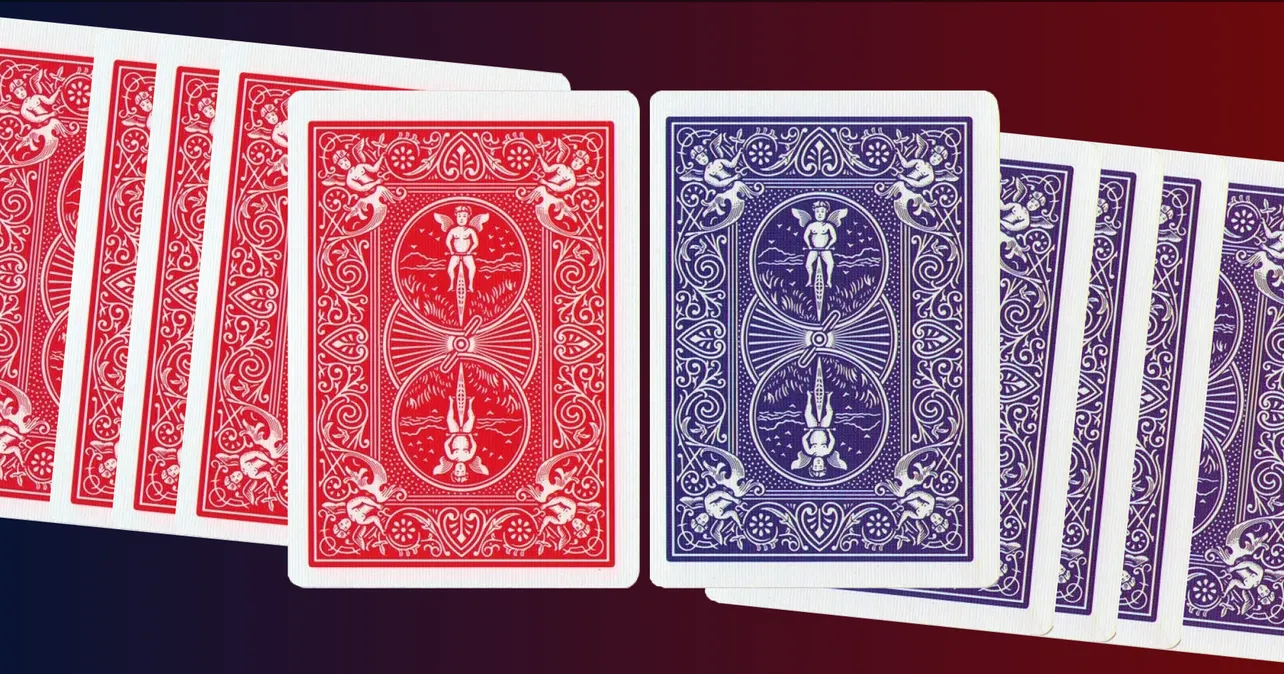
The second difficulty concerns the possibility that spectators may forget—or later recall inaccurately—the cards they selected. I propose a staging designed for two different contexts, one for close-up and one for parlor, giving due credit where appropriate. Both versions address these difficulties in a manner that is, I admit, somewhat unusual and unorthodox compared with the traditional handling of the plot. This begins with the use of two decks, each requiring its own setup.