
In photography, white balance tells the camera what “neutral” looks like. Get it wrong and the entire image is distorted, even if the subject is in focus and the composition is perfect. The whole thing looks sick and fundamentally off.
As performers, we all have an internal Quality White Balance: our personal calibration of what is acceptable. And most of us are shooting in Auto Mode. We let the local magic club or our immediate circle dictate the settings. We think a slightly ill-fitting suit or a stock font on a website is “fine” because it’s better than the next guy’s. But move that same “neutral” into a room with a six-figure budget and you aren’t slightly off. You are a glaring error.
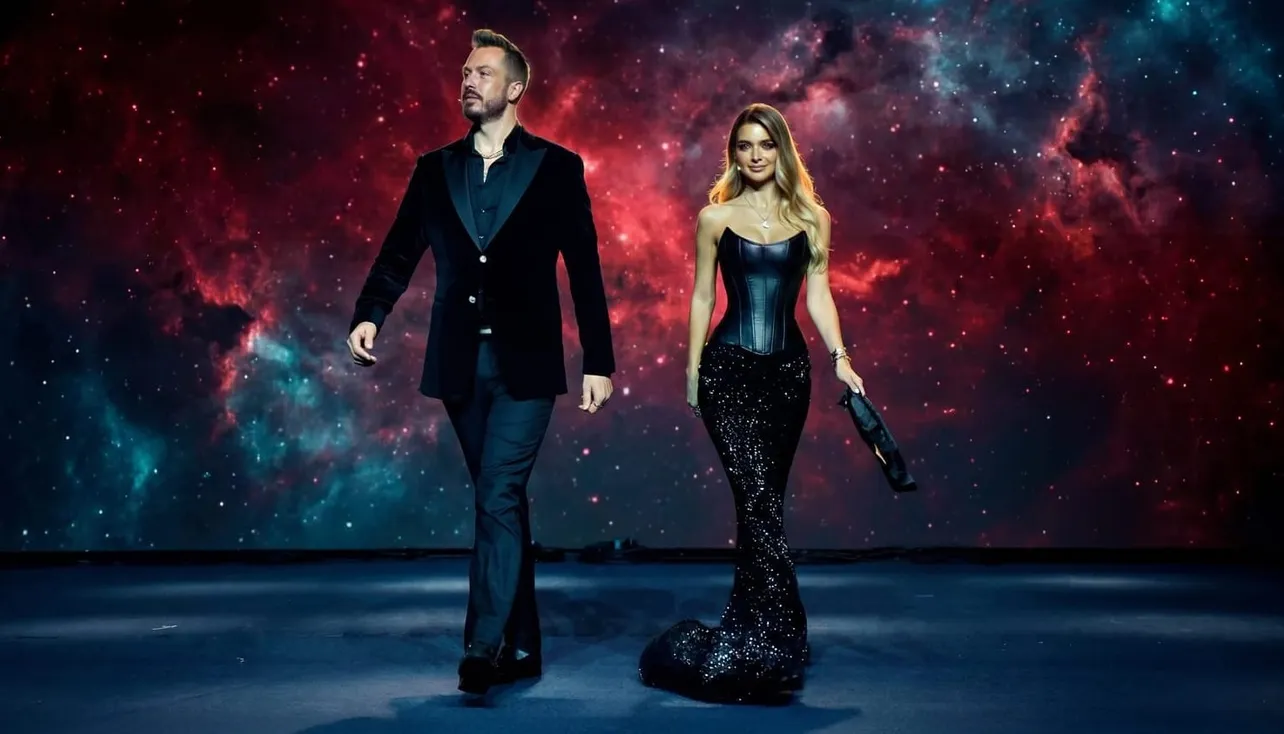
Winning the FISM World Championship in 2025 and building Mind2Mind into a high-end brand required Marina and me to aggressively recalibrate our own White Balance. It was the single most difficult, and most valuable, piece of work of our career.
The Tell: The Cringe Factor
How do you know if your Quality White Balance is too low? You look back.
For us, the tell is visceral. Every time we design a new poster, we look at the previous one, the one we were so proud of six months ago, and we hate it. The same happens with footage. We watch a performance from a year ago and find it hard to sit through. Marina’s strategy is to refuse to watch the old stuff. Mine is to use it as a benchmark.
That cringe is actually a victory. It means your White Balance has shifted upward. You now see flaws you used to ignore. If you look back at your work from two years ago and don’t see anything you’d change, you haven’t improved. You are stagnating.