
The trick that gave him everything
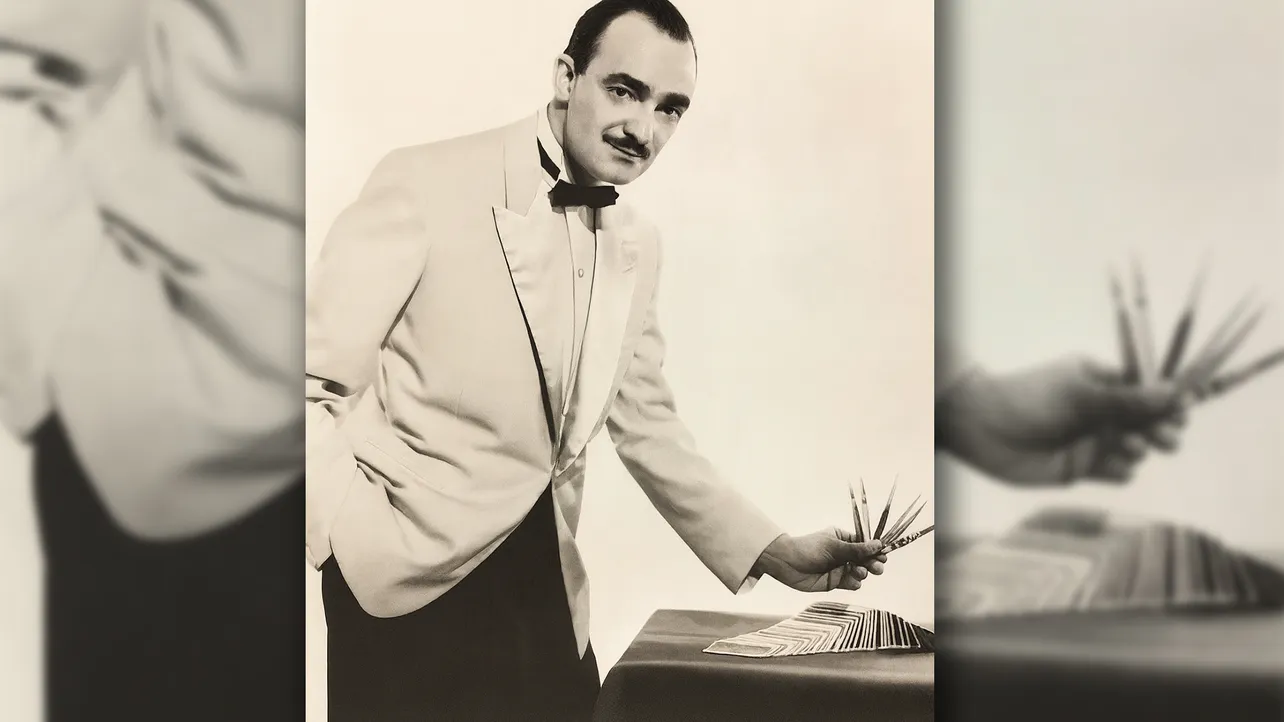
There was a time, in my youth, when I hoped someone would ask me what my favorite book was so I could say: “Lentidigitación by René Lavand.” It’s not that I truly believed that book was the greatest of all time (Arturo de Ascanio himself mentions in the Prologue the difficulty in understanding some of the instructions), but because I believed René Lavand was the greatest, and that book contained all of him: his stories, his lines, his card tricks, his Three Breadcrumbs…. It also contained something I didn’t know existed: his Color-Changing Knives. “How,” I thought, “did René do Knives?” Wasn’t the Three Breadcrumbs the only non-card piece in his repertoire? Well, no. René did Knives, too.
I spent a long time trying to find more information about that trick that felt like an anomaly, but back when I was waiting for someone to ask me about my favorite book, I lived in a small town in the interior of the province of Buenos Aires and access to magical information was nonexistent. Still, I never stopped thinking about René and his Knives, so as soon as I grew up, moved to another city, and started connecting with magicians and books, I started asking questions and researching. That’s how I managed to uncover firsthand testimonies, little-known photographs, references in personal letters and press material, and, of course, the recording René made of some Knife moves in volume 5 of Meir Yedid’s Close-Up Artistry.
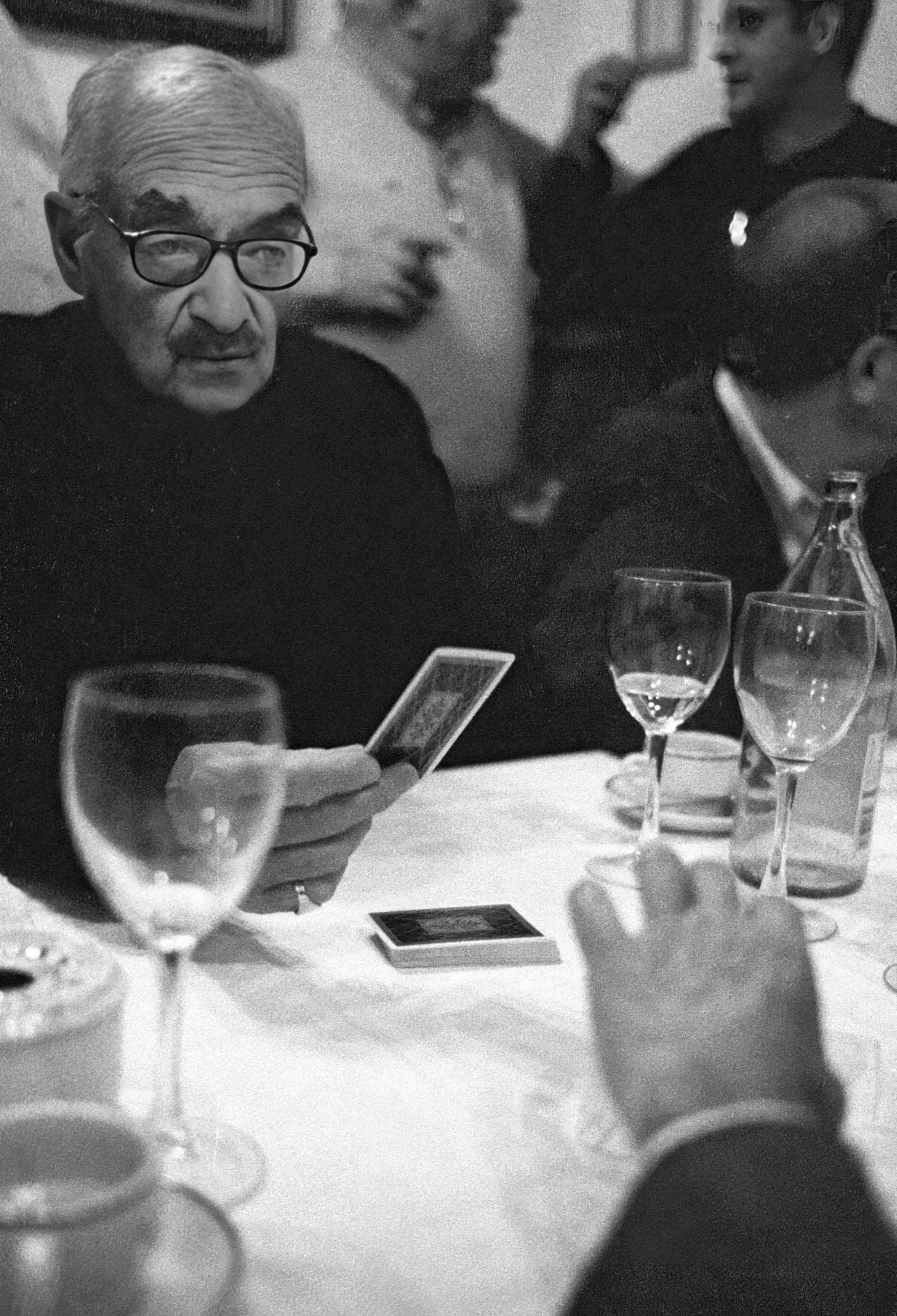
Beyond all that material, Lentidigitación is still there, with a whole chapter devoted to Knives. That chapter—despite its explanations being somewhat rough and requiring a bit of determination and patience—makes it clear that there is a very important corpus there; a set of subtleties, moves, and unique ideas that not only represent a major contribution to Knife magic, but also clearly reveal the dedication and study René invested in his effects. I would dare say, in fact, that the Knives are the thing that René studied in the most depth, and the trick he embraced most passionately in his youth when he was in the midst of his learning process and hungry for new material.
In this sense, his magical session partners in Buenos Aires were fundamental: Sergio Taján (Zergio), Fantasio (back then “Larry”), and another amateur-magician friend named Mario Lobo, to whom René dedicates that chapter on Knives:
This note on Knives I want to dedicate to my good departed friend, whom I will always remember with great affection: Mario Lobos [sic].
With him I exchanged ideas, in my beginnings as an amateur, about many topics, particularly about Knives.
After working a lot, with love, we created this routine for my only hand.
I am not only grateful to him for his wholehearted dedication to achieving my personal shine, but also for the Knives he made for me, displaying his knowledge as a skilled craftsman. They are the ones that still accompany me.
In them, and in my heart, you are there: MARIO LOBOS.
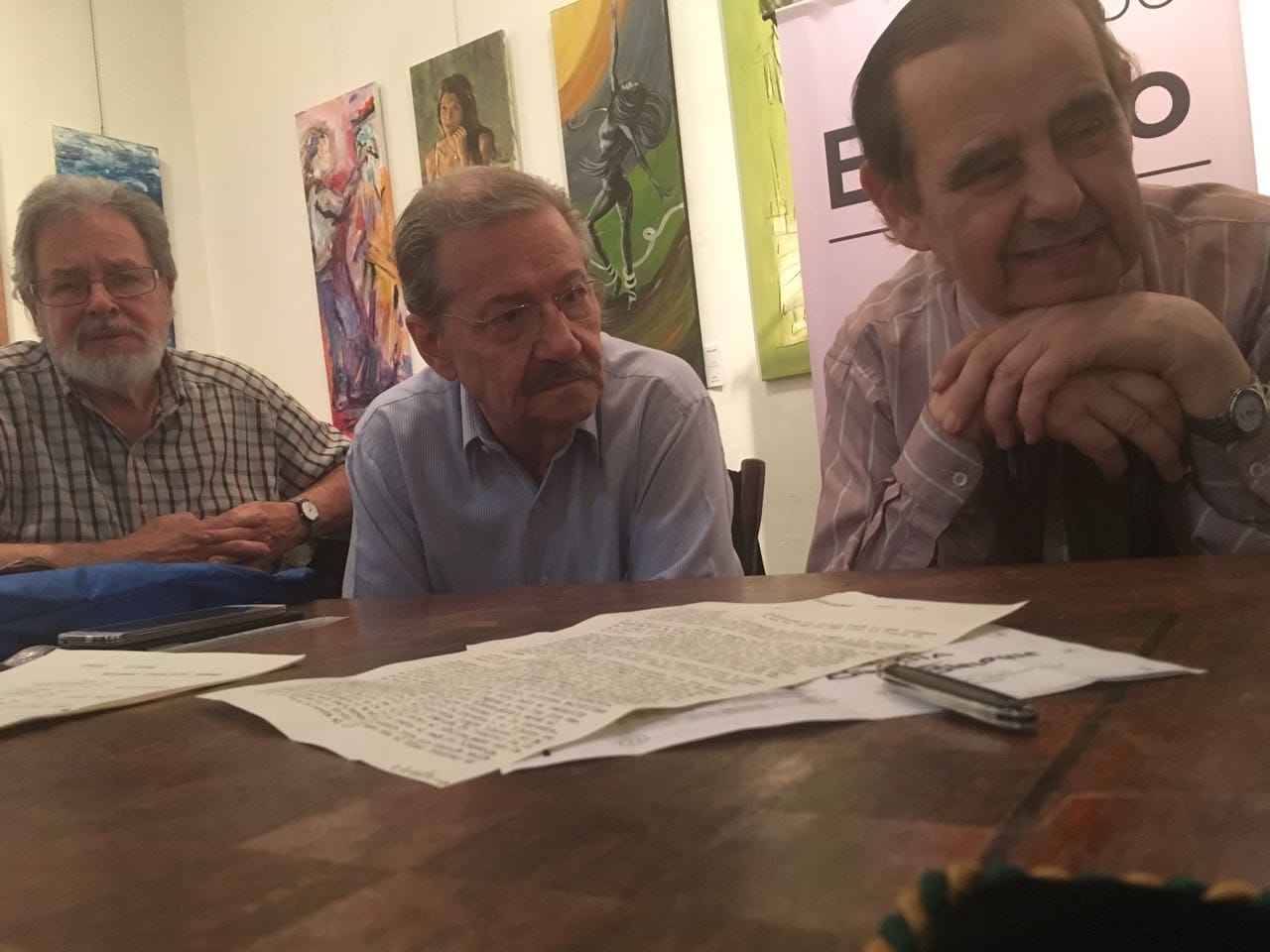
Although Mario Lobo is the only person mentioned in that paragraph, I know for a fact that Zergio and Fantasio were active collaborators on the routine, and part of that initial study group, as we will see later. To get a sense of how close they were, it’s enough to look at the headline of a local newspaper from Tandil at the time announcing: “Three Masters of Modern Magic to Perform in Tandil.” This show took place shortly after each of them won First Prize and the Grand Prize at the First Argentine Congress of Illusionism in 1958.