Larrian Gillespie knew she was on to something when John Cox nearly choked on his French Dip.
They were having lunch at a Burbank restaurant called the Smoke House, meeting for the first time. Weeks before, Gillespie had no interest in magic or Harry Houdini. A website she was building for a friend’s Houdini class at the University of Nevada, Las Vegas, placed her on an unexpected path.
Searching the internet for content, she came across a death certificate for Houdini. It didn’t look right. In fact, it looked wrong. Information was scratched out. Names were misspelled. It was signed by a physician who wasn’t present when Houdini died in Detroit’s former Grace Hospital. Now she became interested and tracked down Cox, who happened to live in Los Angeles, the same city as her.
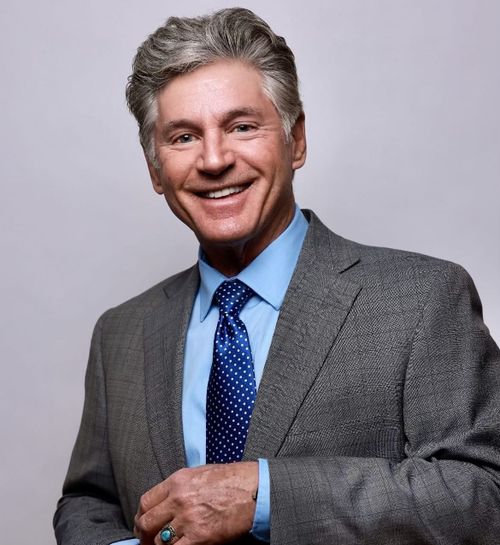
Dr. Larrian Gillespie is a UCLA-trained urologic surgeon, the first woman to graduate from its program. She holds four pharmaceutical patents, has published 10 peer-reviewed scientific papers, and has authored 10 books.
Her medical training, forensic-investigation skills, writing ability, and impeccable timing put her in the right place to find, uncover, and report previously unknown facts about Houdini’s death, and what she believes is the cover-up that was hidden for 100 years.
As a surgeon who has filled out death certificates, she knew that one even 99 years old shouldn’t look like Houdini’s. She recognized tampering. To confirm her suspicion, she searched and kept copious notes. When two reams of paper became unmanageable, she taught herself coding to create a database.