
1938
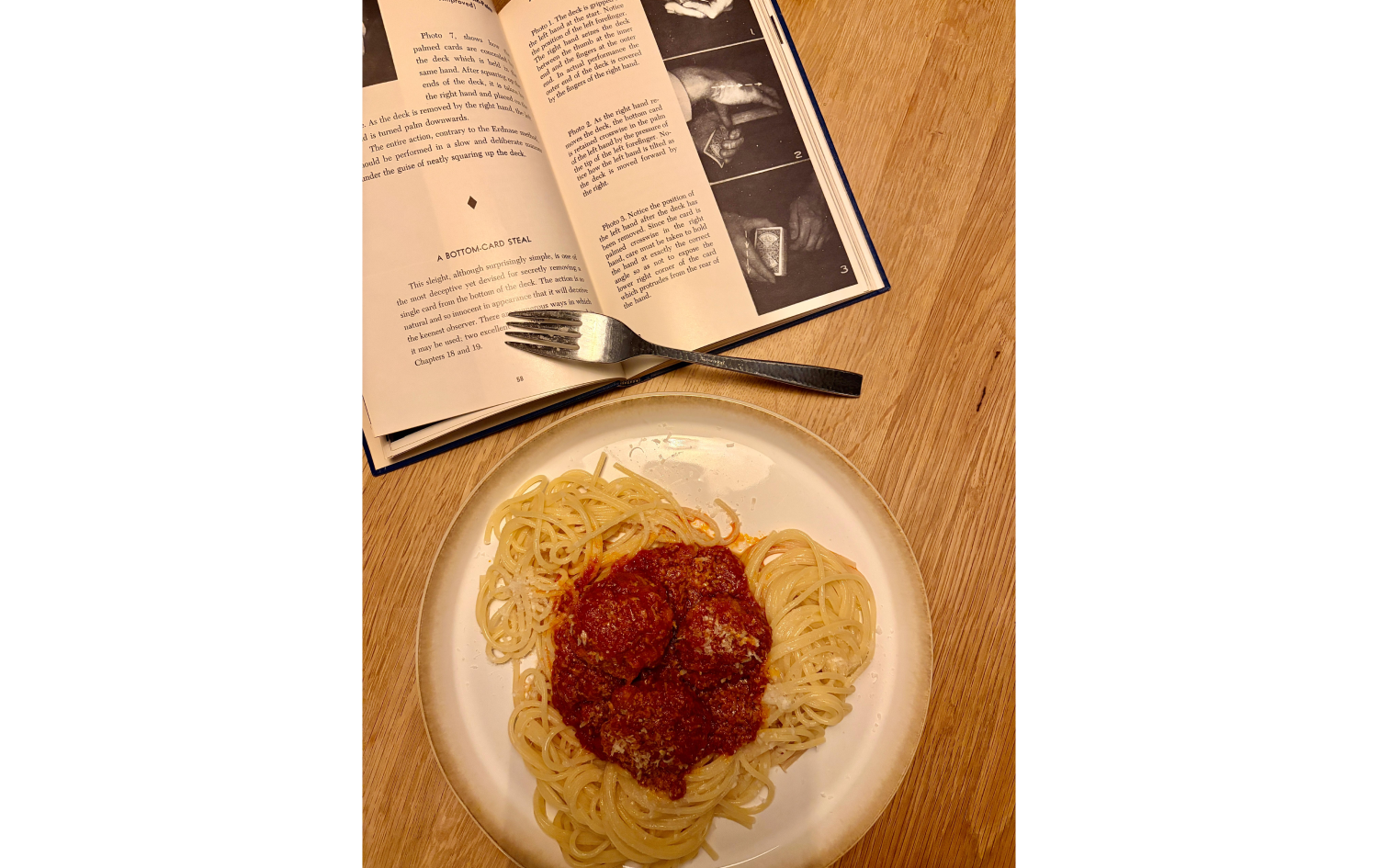
In 1938 it was revealed in these pages that the LePaul household’s popularity stemmed as much from Rose LePaul’s contributions as from her husband’s card magic. The effect: Spaghetti à la Genii.
The requirements: “Ingredients: 1½ lbs. of beef and pork, chopped. 1 can Italian tomato paste (imported). 1 can (medium size) Italian stewed tomatoes. 1 head of garlic. 4 slices of white bread. Imported olive oil. 1 or two eggs. Italian cheese (Roman).” And the method: “Mix the bread and meat with half of the chopped garlic and the beaten eggs and season with salt and pepper. Roll into balls and dip in cheese. Fry the meatballs in olive oil till brown. When the meatballs are brown, take them out of the pan and put the tomato paste in the pan and cook until the oil is soaked in. Fill the tomato paste can twice with water and add to the paste. Put the meat and stewed tomatoes in the pan and cook it all together for at least an hour. Season to taste with salt, pepper and sugar. Pour this sauce over cooked spaghetti, and you will have a very tasty midnight snack.”
The girlfriend of our intrepid magic editor Lorenz Schär suggests, “Use less garlic.”
1950
In the September issue the Patter Points column explores the difficult challenge of hecklers and how to deal with them. Before offering a selection of comedic lines the performer might use with a heckler the author comments, “Here are some of these lines which were tested.” He then clarifies, “In fact, I borrowed them from famous comics while they were being tested. Be prepared and memorize a few….” Hopefully there is less “borrowing” happening in 2026 than there was in 1950.
1965
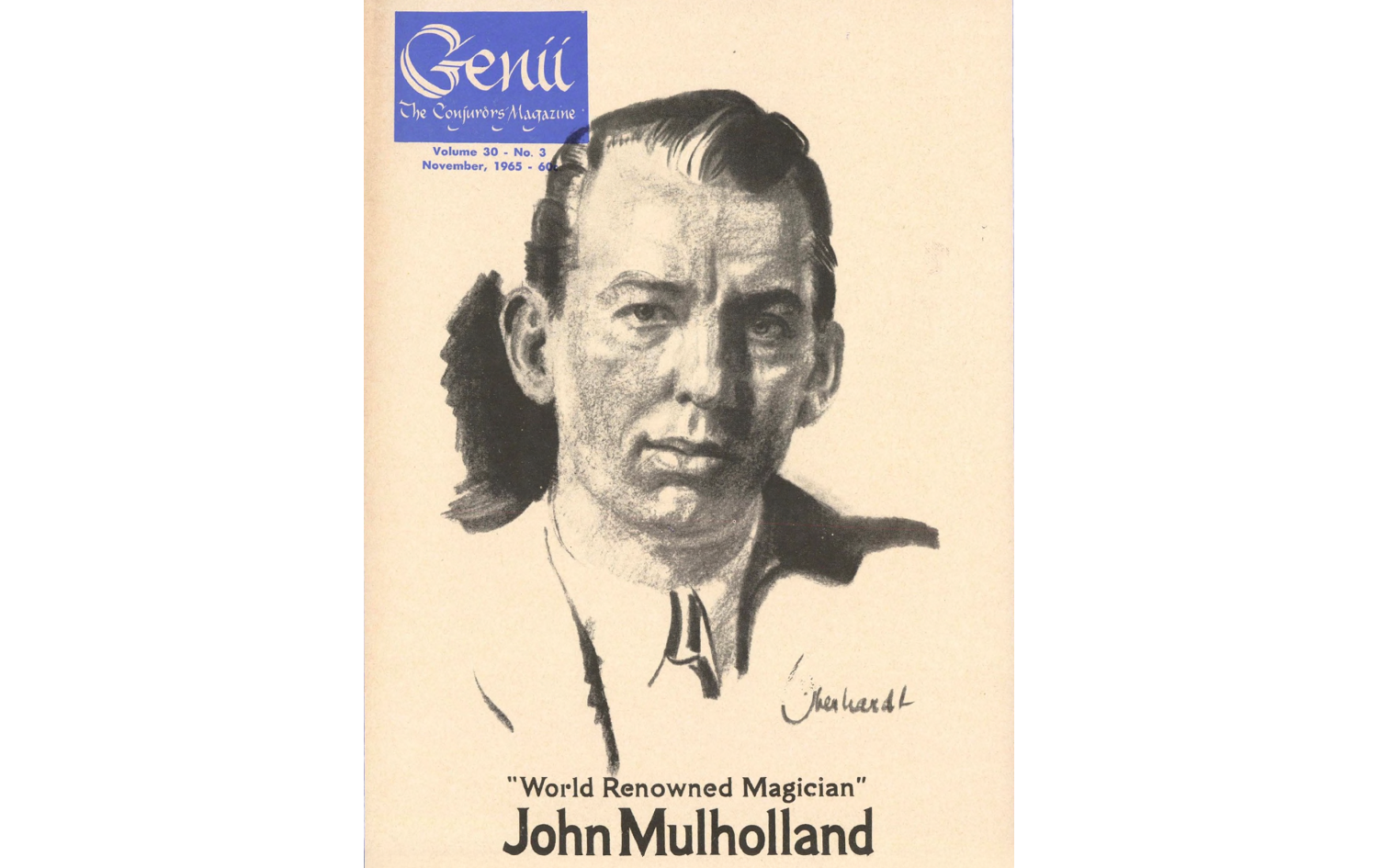
John Mulholland’s column in this month shared an anecdote about Horace Goldin that offers a very different view on the legendary performer. Mulholland was visiting Goldin in a hotel, and arrived while Goldin was showering. “The door to the bathroom was open and the closed shower curtain was in plain sight. Suddenly I heard, ‘The next act will be the Great Goldin.’ Then as he sang a ‘Ta-Ta’ he drew open the shower curtains. There he stood, an oversized Kewpie doll, dripping with water…. Holding up a large size cake of soap he twisted his wrist and the soap disappeared…. To this day I have no idea where the damn cake of soap went. It was rather obvious that Goldin used neither pockets nor sleeves in the disappearance.”
1966
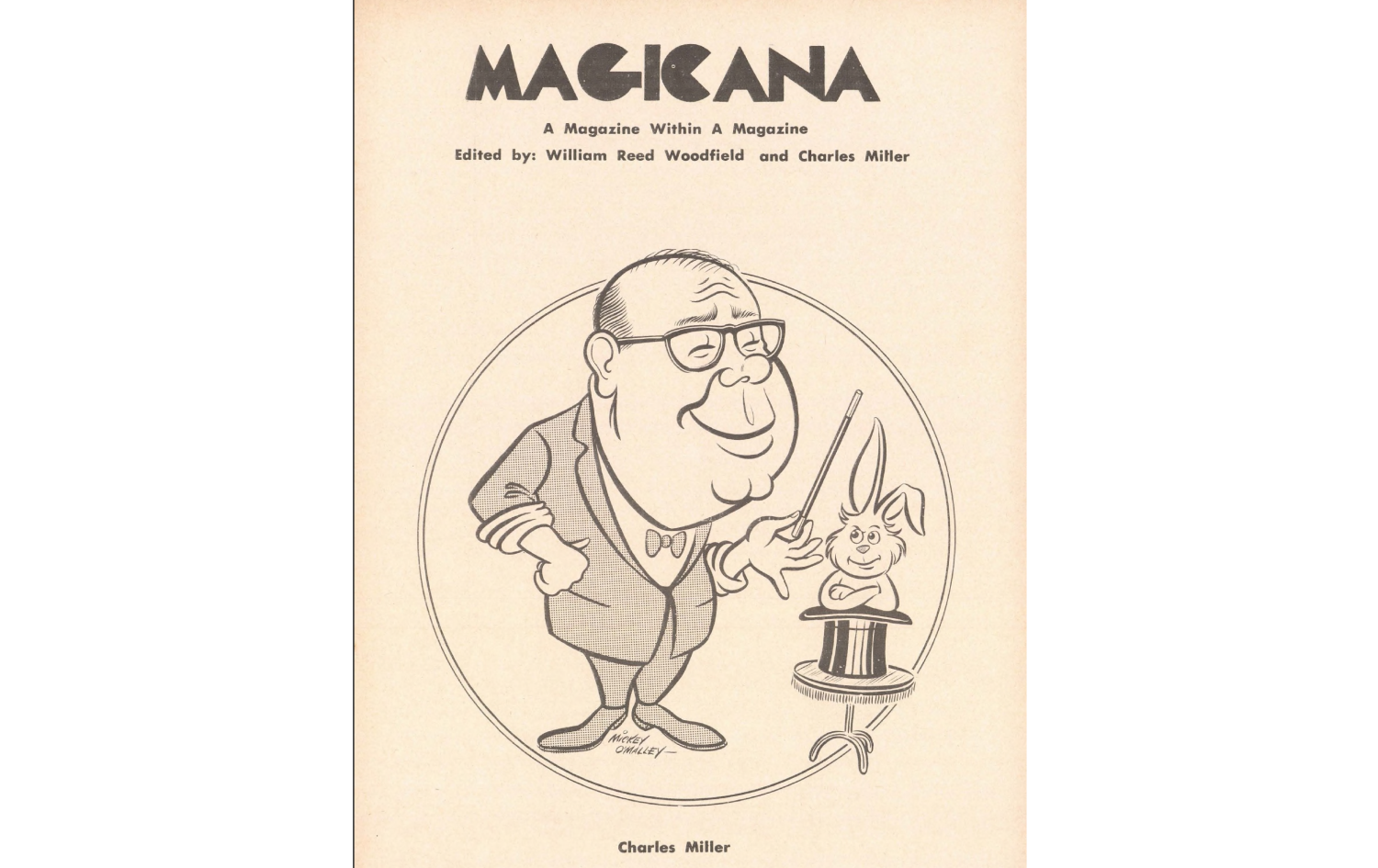
The Almanac has previously touched on the question of whether or not magic should be regarded as an art. This month, thanks to Charlie Miller’s Intermission in Magicana, we offer a view on whether art in magic is a good thing or not. “One wonders if sometimes we don’t get carried away on this so called artistry. Any trick well executed and well presented usually is good magic. Some of the so called artistic stuff can be damned boring. And I mean just that. Ed Marlo states, and I agree with him, that Chas. Jordan started a trend of bad magicians in card magic when he came out with those complicated card tricks. This is correct.”
1981
In a report on Ron MacMillan’s Ninth International Day of Magic, Gene Anderson explained how he thinks the convention was booked. Ron MacMillan attempts “to accomplish in nine hours what would suffice for a 3-day convention. He can’t manage to do so, of course; it’s way too much…. The performance conditions are terrible. There’s too much happening.” That crowded lineup included Dick Koornwinder, Piet Forton, Juan Tamariz, Paviato Aurelio, and Jorgan Samson, which offers a clue as to why “next year when Ron MacMillan makes his tenth attempt to jam too much into too little under the same conditions, almost everybody will be back.” Having loved this convention, 30 years after Gene wrote these words, I can confirm that the MacMillan formula works!
1990
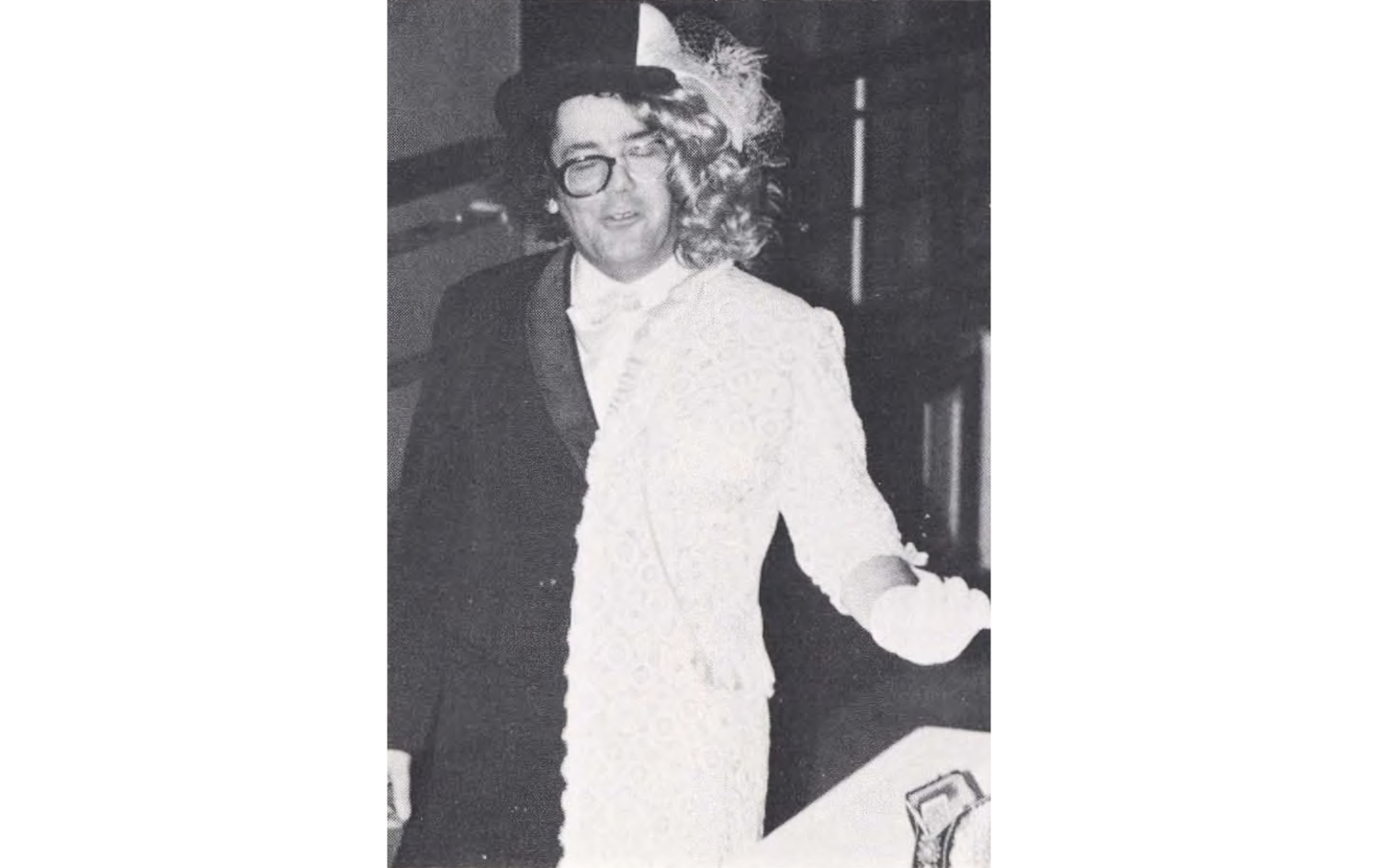
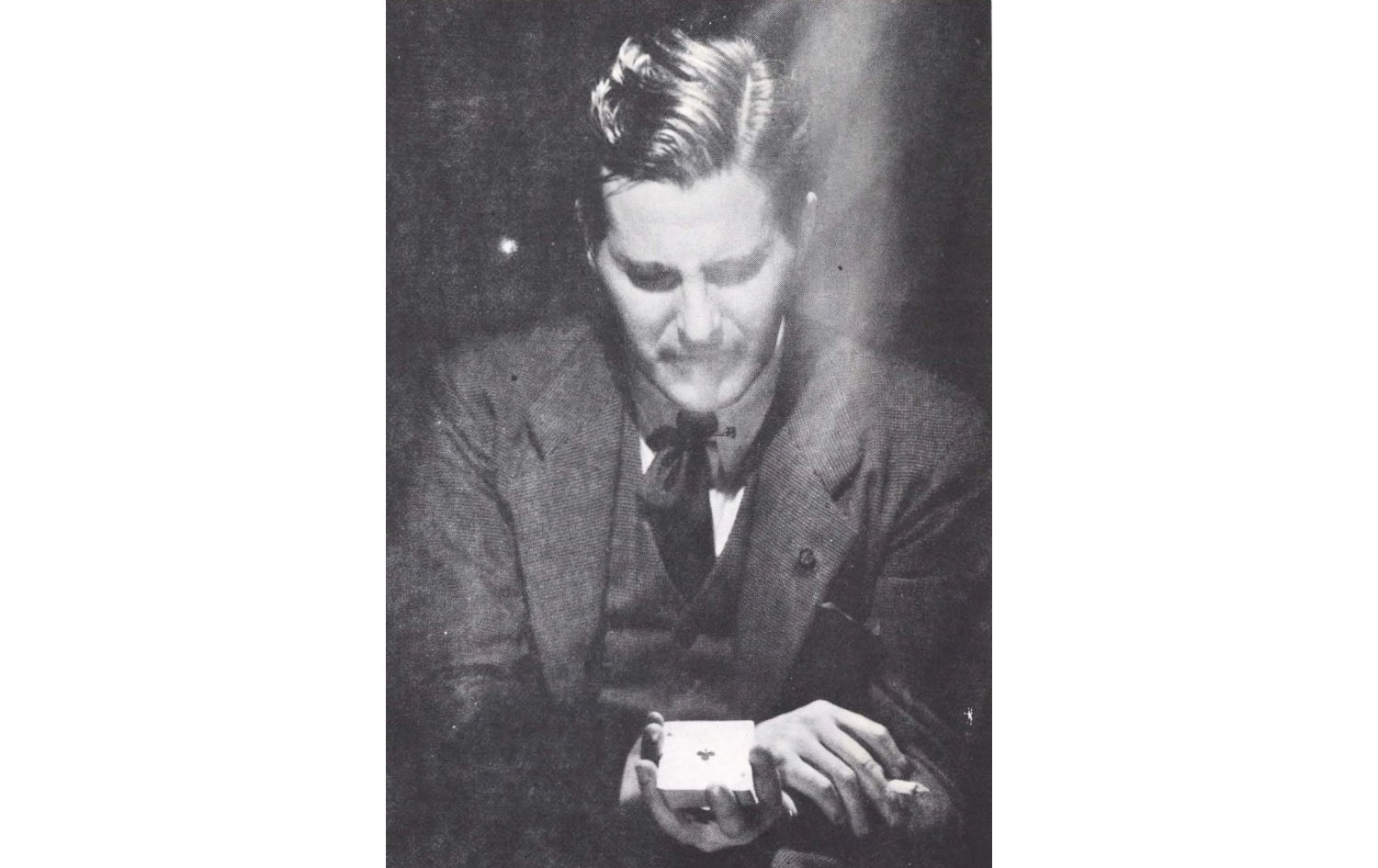
In the December issue Dai Vernon explained that in the ‘20s and ‘30s he performed in New York City’s Rainbow Rooms as Dale Vernon. Apparently his agent, Francis Rockerfeller King, thought that Dai (which could also be pronounced Dai), was not memorable enough and suggested Dale would be better. This was because of the then popularity of Dale Carnegie’s How to Win Friends and Influence People, a book that ironically extols the power of using people’s names.
2001
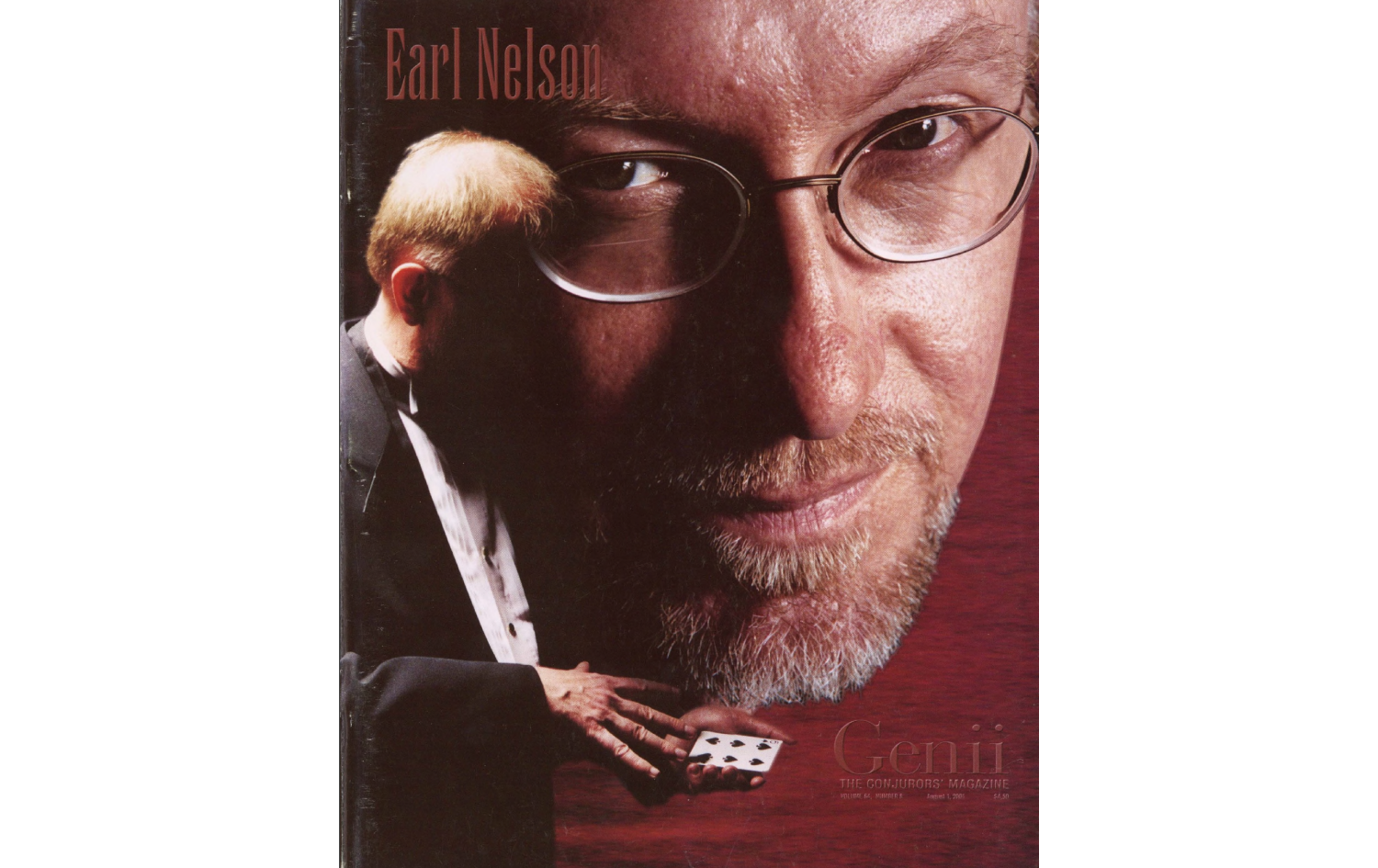
In a feature interview, Earl Nelson described an evening at The Magic Castle a few weeks after he first met Vernon. Keen to avoid watching himself on a TV show, Vernon asked Earl if they could spend time in Earl’s place. “We’re walking to my room at the hotel and I realize that I’ve left a bunch of Marlo books on my bed,” Earl recalled. “Now remember that I’d only been in town a few weeks and was getting along very well with The Professor, but I didn’t know how much there was to the rumored dispute between Vernon and Marlo. I thought that I’d have to distract him long enough to get the books off the bed. Well, as soon as we walk in the door he beelines right for the books, sits down, and says, ‘This guy Marlo has some very clever stuff. Great stuff.’ He never had a bad word to say about Marlo.”
2012
At The Magic Castle a few weeks after he first met Vernon. Keen to avoid watching himself on a TV show, Vernon asked Earl if they could spend time in Earl’s place. “We’re walking to my room at the hotel and I realize that I’ve left a bunch of Marlo books on my bed,” Earl recalled. “Now remember that I’d only been in town a few weeks and was getting along very well with The Professor, but I didn’t know how much there was to the rumored dispute between Vernon and Marlo. I thought that I’d have to distract him long enough to get the books off the bed. Well, as soon as we walk in the door he beelines right for the books, sits down, and says, ‘This guy Marlo has some very clever stuff. Great stuff.’ He never had a bad word to say about Marlo.”
In the July issue Al Cohen recalled sending a shipment of magic to a Mr. Grey, who was employed by the king of Saudi Arabia to perform new shows a few times a year. At one point a large shipment of magic and illusions went missing. It transpired that the problem was that the shipment was labeled “magic props & illusions” and, as Al recalled, “in Saudi Arabia (at that time) anything with the word ‘Magic’ was considered evil, dangerous, and had to be destroyed by burning, even though it was being shipped to the Royal family.” Fortunately cash was not a problem for the king, and a second shipment, labeled “replacement machine parts for assorted electrical and plumbing equipment,” was successful.
2025
The February 2025 issue of this magazine saw the launch of the new Genii, including the inauguration of this column, The Almanac. The current edition’s goal of sharing something from each decade of the magazine’s history allows an Almanac entry about the Almanac. I look forward to future opportunities to develop this self-referential spiral.
Images courtesy of Genii