01
On this day in 1908, 150 Magic Circle members and their guests sat down at Frascati’s restaurant for the society’s annual dinner. Among the visiting dignitaries were Professor Hoffmann, David Devant, Horace Goldin, J.N. Maskelyne, Edwin T. Sachs, and Harry Houdini, the last of whom performed for the assembled company. Surprisingly, it would seem that his work was not universally well received. Someone made a note in The Circle’s magazine that Houdini was not in evening dress (he did inform the audience “that he had a dozen dress suits hanging up in his dressing-room,” however); that he removed his coat and collar, and turned up his sleeves; and, in an example of softly worded British criticism, that “in more than one respect, the display was both unusual and interesting.”
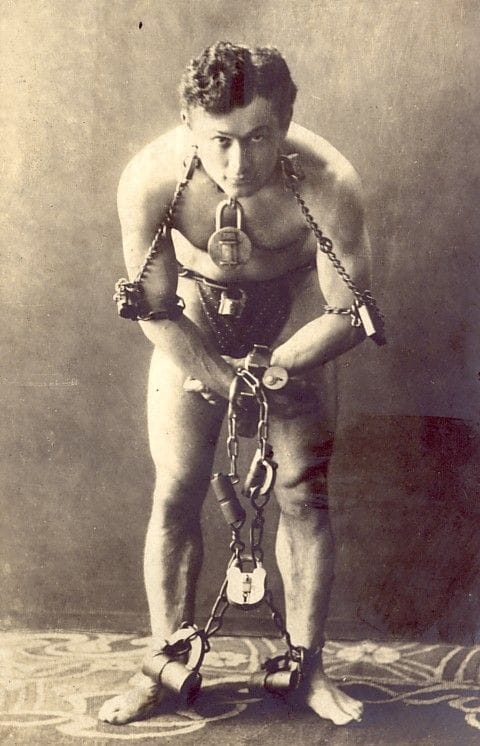
Houdini’s antics, and the response they engendered, become all the more notable in a 1920 letter between two of the club’s officers. Discussing Houdini, Nevil Maskelyne wrote: “I think we are bound to invite Houdini [to the dinner], as President of the SAM but, after our experience, the last time he came, I think we should not invite him to either speak or show.” Offered the chance to have Houdini appear at their events this year I can’t think of many clubs, despite his brashness, that would offer the same view.
16
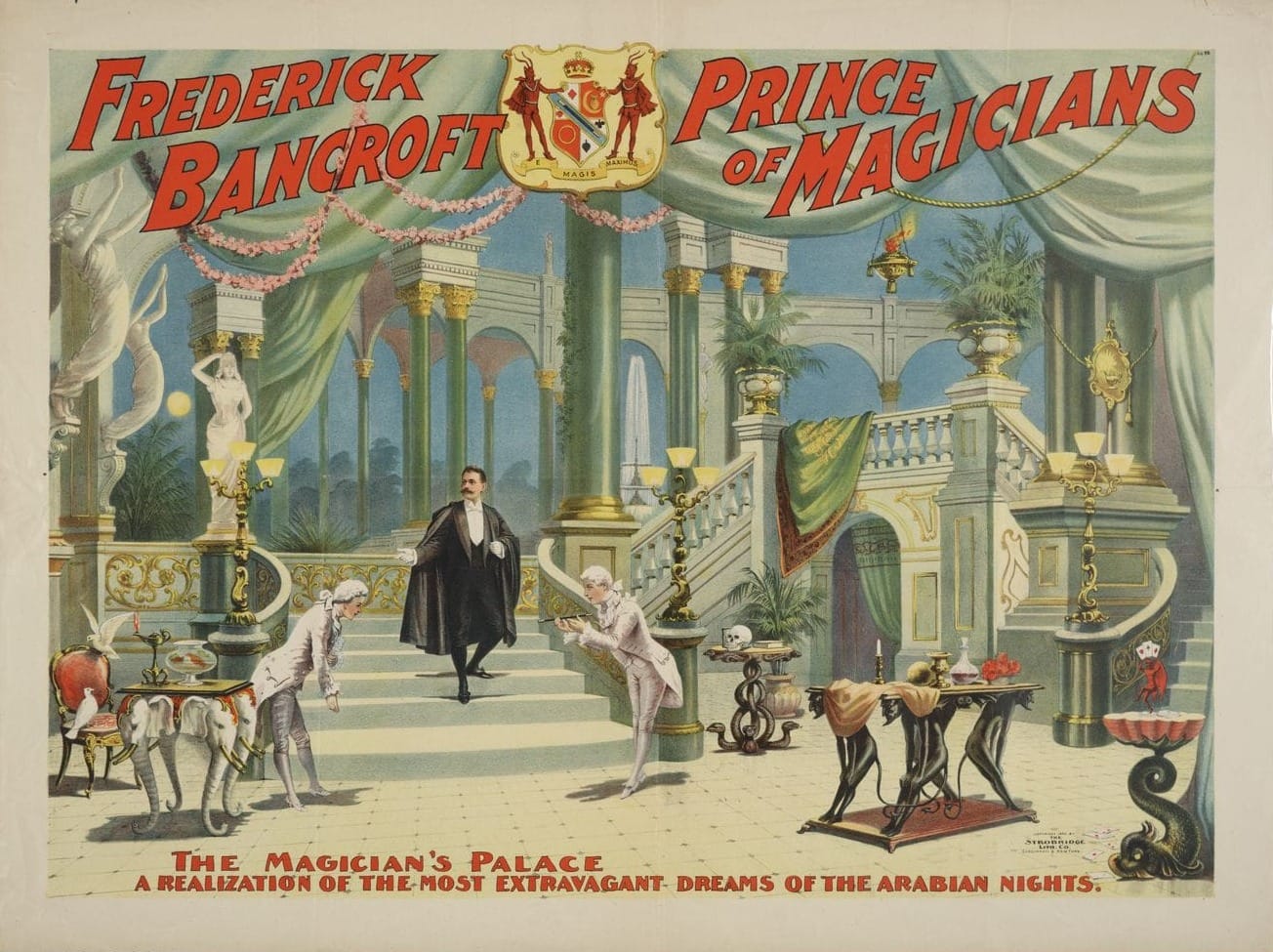
December 16, 1895 saw the beginning of a run at the National Theatre in Washington, D.C., for Frederick Bancroft. Bancroft was an unusual figure, a wildly successful insurance agent and investor in real estate who loved magic. After befriending Alexander Herrmann, he took inspiration from the master magician and decided to set out as a professional performer himself, spending large sums on elaborate stage settings and billing himself as “the prince of magicians.” Sadly his early escapades were unsuccessful—despite the resources poured into his shows, audiences found him inexperienced—and before he was able to relaunch his career, having secured the services of Herrmann’s former manager, he died of typhoid fever at just 31 years old.
22
In 1952, Count Dominic Le Foe launched a series of performances of his show, The Imperial Court of Mystery, at the Winter Garden Theatre London. The run was short and unsuccessful, at least in part because of the opinions of the press. For example, writing in Abracadabra on December 22, Geoffrey Robinson commented that “the show lasted about one-and-a-half hours including the interval… we enjoyed the interval.”
30
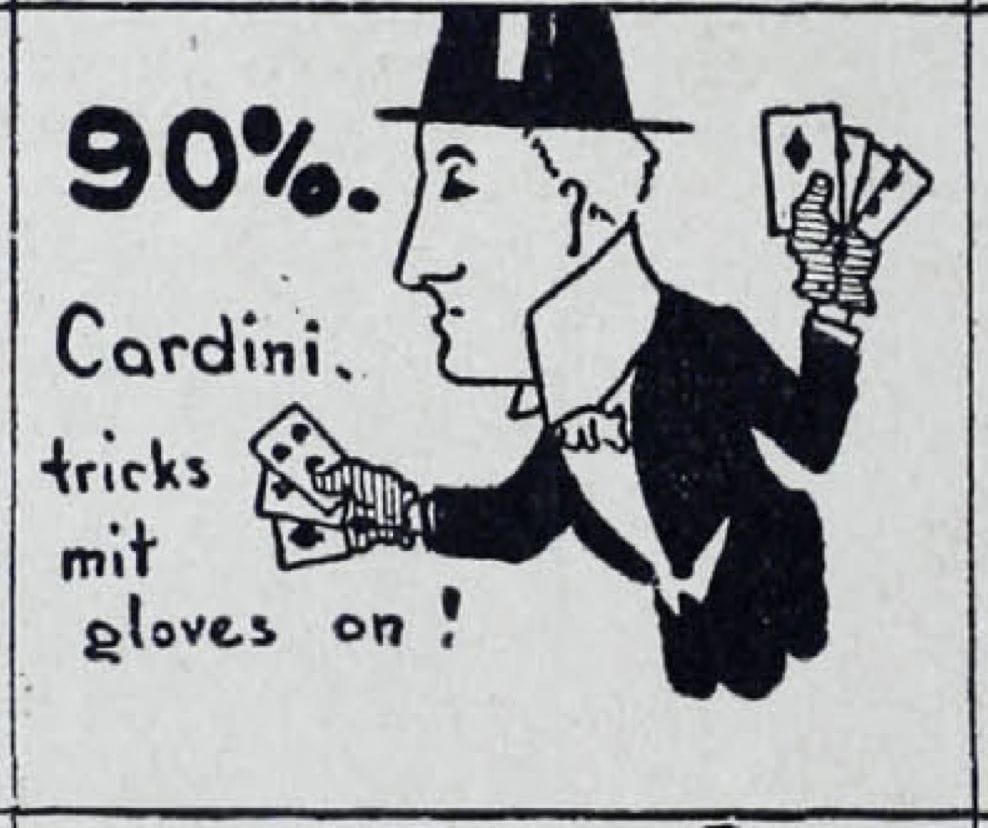
Long before social-media platforms like Facebook, Instagram, and TikTok offered endless opportunities for self promotion, Cardini figured out an alternative approach. Rightly proud of the reviews his remarkably artistic manipulation act was garnering, he took out a full-page ad in The Sphinx to share some of the praise heaped upon him. Whether many of his potential bookers were likely to come across this in a trade periodical is uncertain, but then again, how many of your bookers see the post of you in a fancy restaurant with caption, “office for the day,” underneath? (Why is this entry placed on December 30? Well, Cardini’s ad appeared in the December issue of The Sphinx and may well have been read on this day, filling an otherwise awkward gap in this month’s column.)