
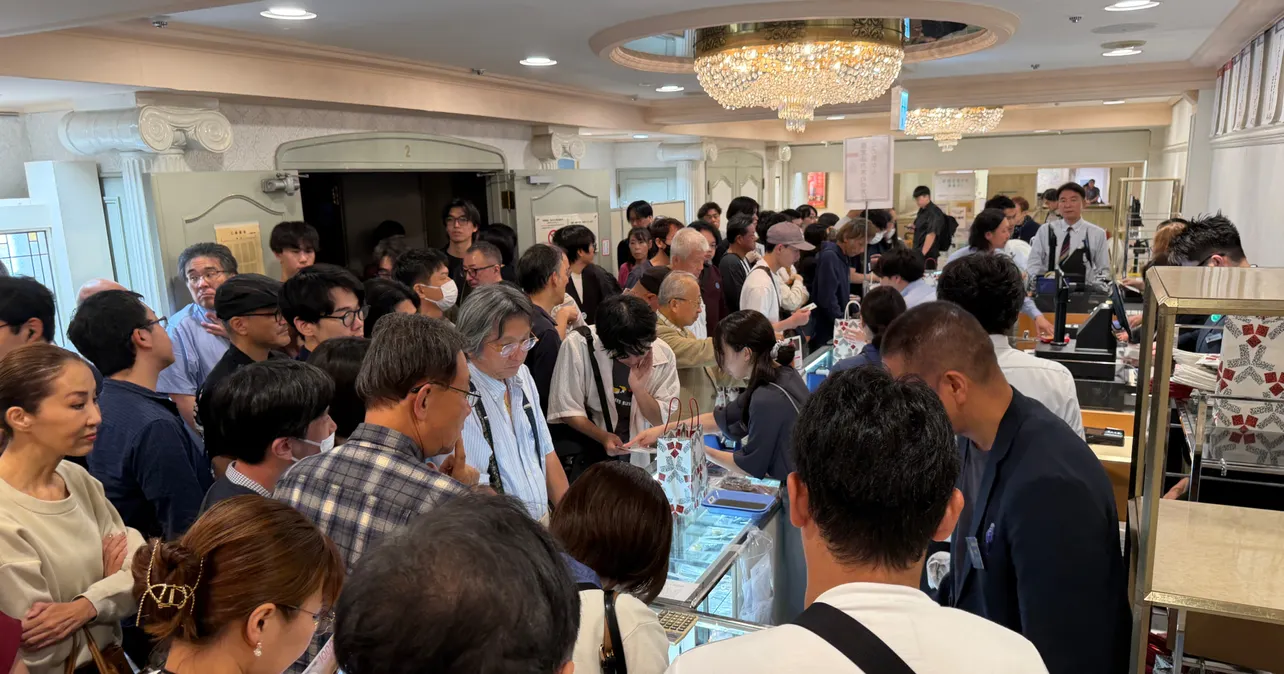
Every year in late September, the Tenyo Festival, of which this year’s was the 66th, draws fans from across Japan to the capital city of Tokyo. Even though the entire festival, which consists of the premiere release of the following year’s new tricks and a stage show, is repeated twice on a single Sunday, tickets sell out almost immediately.
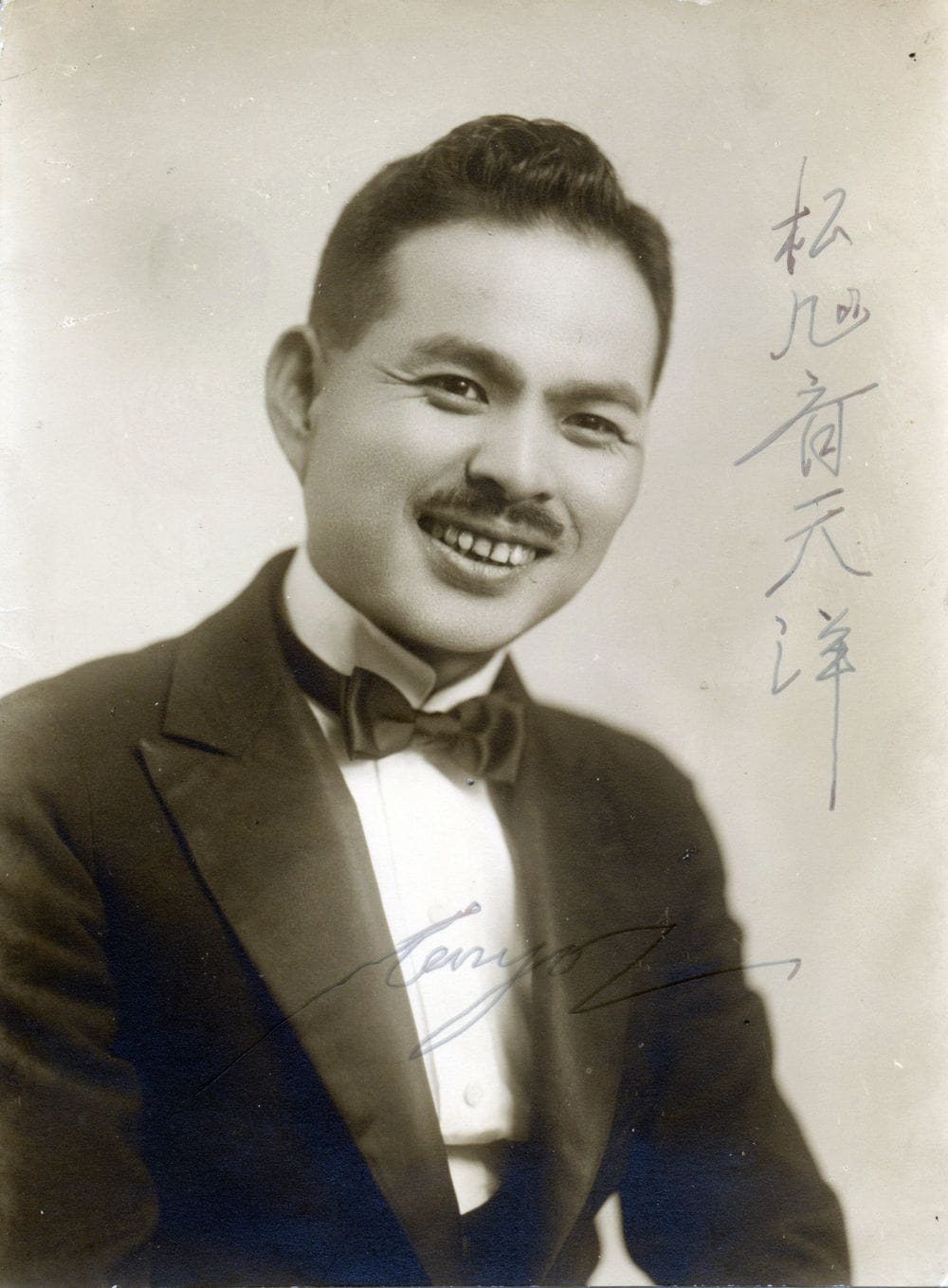
Before we get to the tricks, some background may be of interest. The Tenyo Company was modestly founded in 1931 by Tenyo Shokyokusai, who operated the first magic counter in a department store in Japan. Tenyo was a student of Ten-ichi, Japan’s most prominent stage magician for many years, who popularized the Thumb-Tie. Tenyo sold modest homemade items at his counter until World War II, then transitioned—as did all Japanese entertainers—to performing for American troops. After the end of the occupation, the magic counter reopened, but the Tenyo Company as we know it today did not begin until Tenyo’s son, Akira Yamada, took over the business. In the 1960s, with bold initiatives and savvy business sense, he branched out from magic into toys and games such as backgammon and jigsaw puzzles. Yamada held tightly onto the company’s magical heritage and challenged the members of a newly assembled Creative Division (Takuya Yoshizawa, Hideo Kato, Shigeru Sugawara, Hiroshi Kondo, and later Tomoyuki Shimomura and Toru Suzuki) to not just copy tricks from other countries as Tenyo had been doing, but to innovate—to do better. And they did, creating miniature miracles, mostly in plastic, that not only fooled both laypeople and magicians, but were simple to do and could be easily learned by their main customers, regular folks across Japan. The quality of the plastic work was extremely high as it was all done in Japan, and was far superior in both the quality of the material and the workmanship than what was being made in Hong Kong and China at that time.