
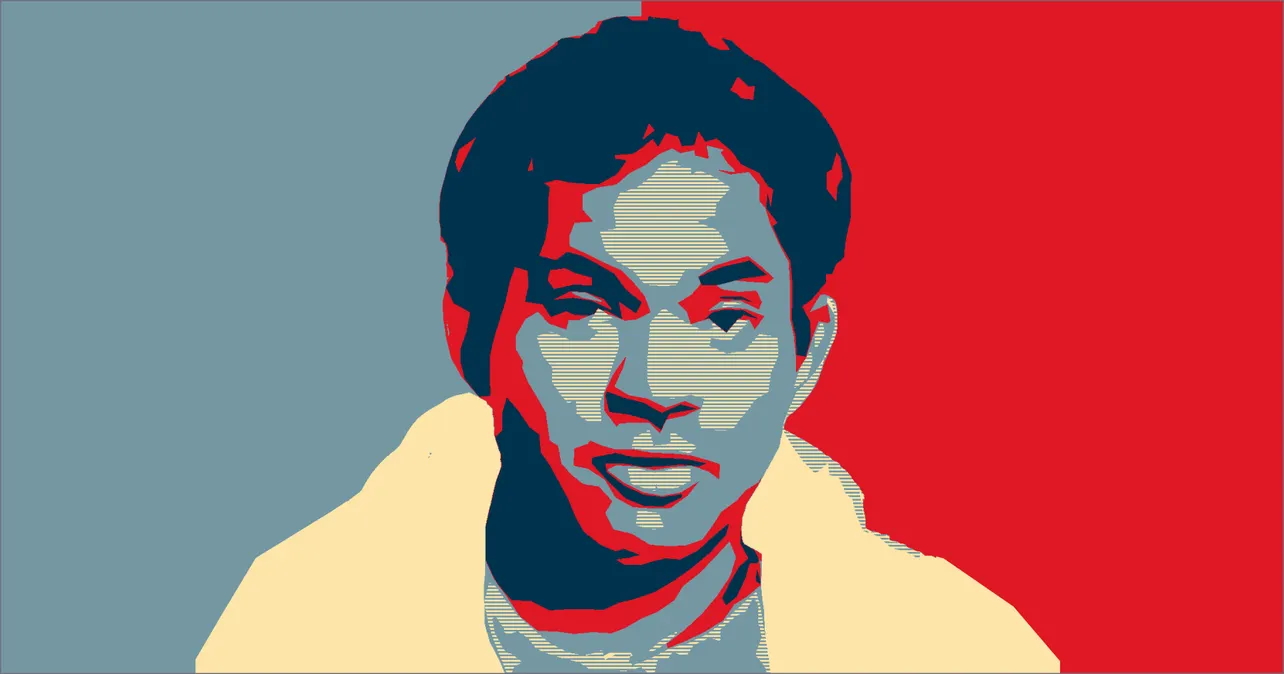
My fellow magicians. Change often begins once a seemingly mundane domino falls. The modern LGBTQ+ movement in the United States can be traced back to someone throwing a brick outside the Stonewall Inn in 1969. The Indian independence movement can be traced back to Indian soldiers in the British Army refusing to bite bullets laced with pig and cow fat, because it was against their religious beliefs. Similarly, the current conversation (in my mind) of politics and magic began with Harrison Greenbaum’s article, “Oz (and) the Great and Powerful,” in the September 2026 issue of this very magazine. As somebody who feels strongly for “political magic,” and forced to stay silent about it in my host country, I wanted to build on this conversation and try to get you to feel the same way I do about this topic, while providing an additional perspective.
I’ve often said that magic has a branding problem. This is a sentiment I see indirectly affirmed by other magicians whenever I get a chance to spend time with them. From saying, “I never introduce myself as a magician,” to acquaintances apologizing for not coming to my show because they thought “it’s magic, not theater.” I think one of the contributing factors to this misalignment between what people think magic is and what the practice actually is, almost certainly lies in what we talk about in our work, both in front of audiences and behind closed doors. If enough magicians talked about issues explored in theater, like class-divide, trauma, and organ harvesting for the rich (Harvest by Manjula Padmanabhan), maybe magicians would get the same institutional respect offered to Marina Abramović or Yoko Ono. But should we?