$499, Available from Tannen’s
“Getting information” has been the cornerstone to successful mentalism for centuries. There’s the very modern, exaggerated form of “information,” fun to talk about but not always practical—the internet searches, the information from a ticket booking of names, addresses, or phone numbers. But in fact, ever since Anna Eva Fay’s helpers handed out a few pieces of paper stapled to a piece of cardboard, the essential formula for mentalism has been to acquire information that has been written down.
Fay did it with paper rubbed with white wax and a fine plumbago powder that “developed” the image backstage by sticking to the wax on a blank sheet. You can read about the procedure in David P. Abbott’s Behind the Scenes with the Mediums. It was the high tech of the day. By the ‘20s, this secret was a neat wooden clipboard sold by Thayer Magic that concealed a sheet of carbon paper beneath its woodgrained surface—even higher tech stuff.
If this all reminds you of pre-show work, you’re right. It was Fay’s waxed pads and Baldwin and Alexander’s carbon paper clipboards that created the sophisticated new formulas for acquiring pre-show information.
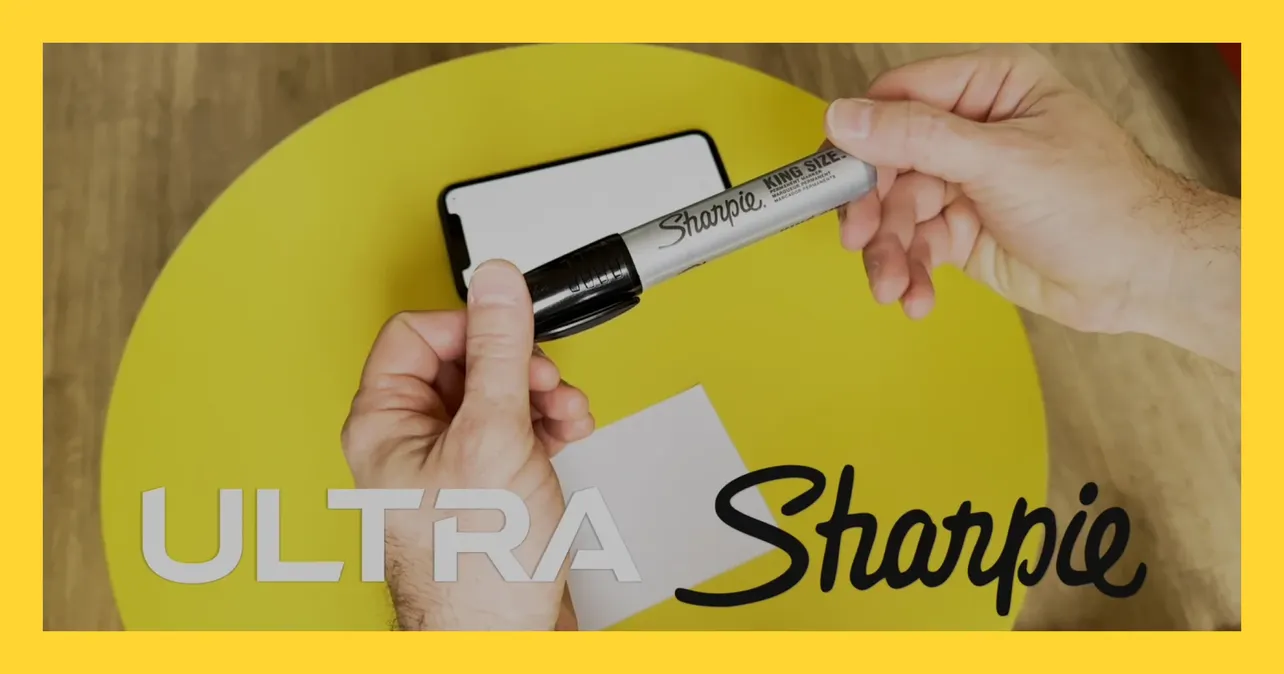
Now, fast forward a full century, where little bits of paper—“Just write it down and put it in your pocket for later”—still provide the tentpole that holds up much of modern mentalism. Pre-show is still the technique, but the technology has dramatically changed. Ultra Sharpie, the extremely high-tech creation from Javier Franco and Magic Stuff, may be the ultimate example of this ingenuity. This marking pen would have brought tears to Alexander’s eyes.