Ah-whoooo!
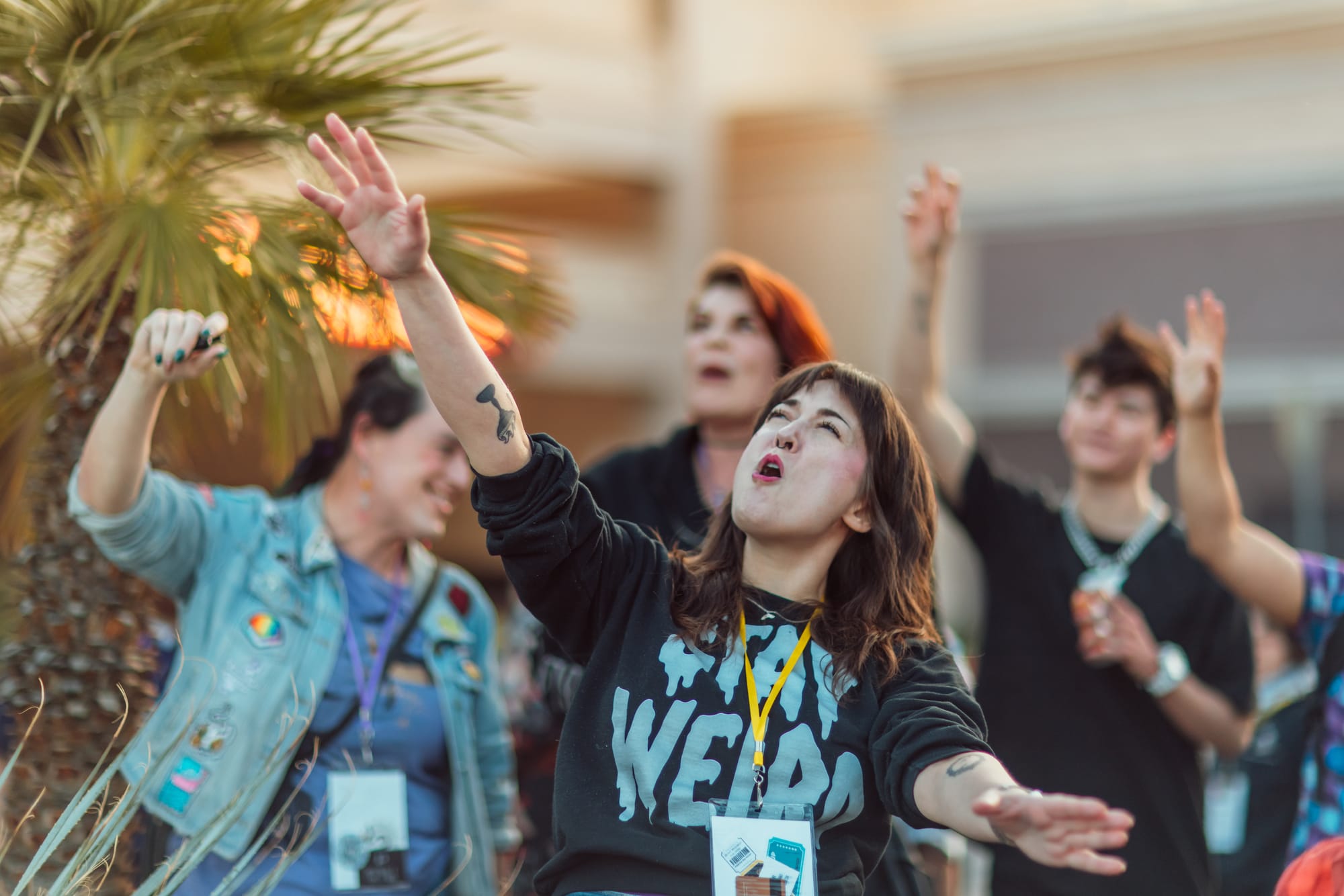
I'm in a Las Vegas parking lot, howling sat the moon. My shouts join a chorus of others. As we bellow, we transform, not into werewolves, but into a trumpeting mass of human animals in a celebration that feels sacred. And silly. And new.
It’s 12:01 a.m. on March 13, 2025. Indeed, the moon glows—and so do the parking lot flood lights, illuminating every face and lanyard. Without the anonymity of darkness, it’s tempting to get self-conscious. But the layered drone around me surges on. I draw a big breath and howl louder.
This is Mystify Magic Festival.
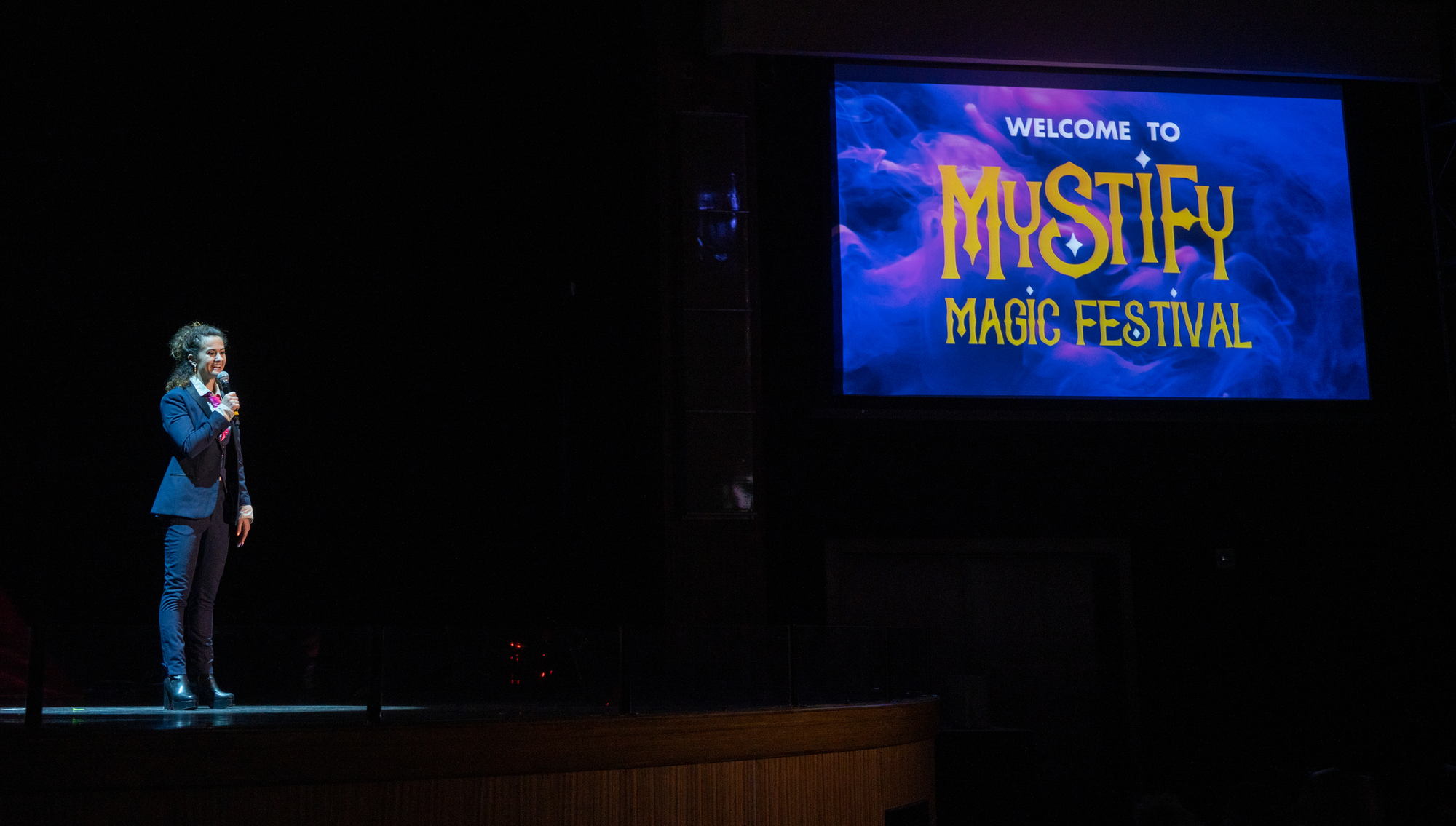
The first magic convention of its kind, Mystify “is for anyone and everyone who’s eager to be part of the exciting future of women in magic.” The inaugural event is held at Santa Fe Station Hotel & Casino from March 10 through 12, with founder Leah Orleans aiming to build an inclusive magic industry for everyone. She’s created a number of companies, among them Tiny Girl, Big Show—a show she stars in and tours across the country. She also grew up around magic; her parents are Jan Rose and Danny Orleans.
Mystify’s mission is unique, but its technique, theory, business, and performance elements rival those of long-standing conventions. It’s got star-studded shows and lectures, a bustling vendors hall, and jam sessions both scheduled and spontaneous. And through it all runs a shimmering thread of “something different.”
Something Different
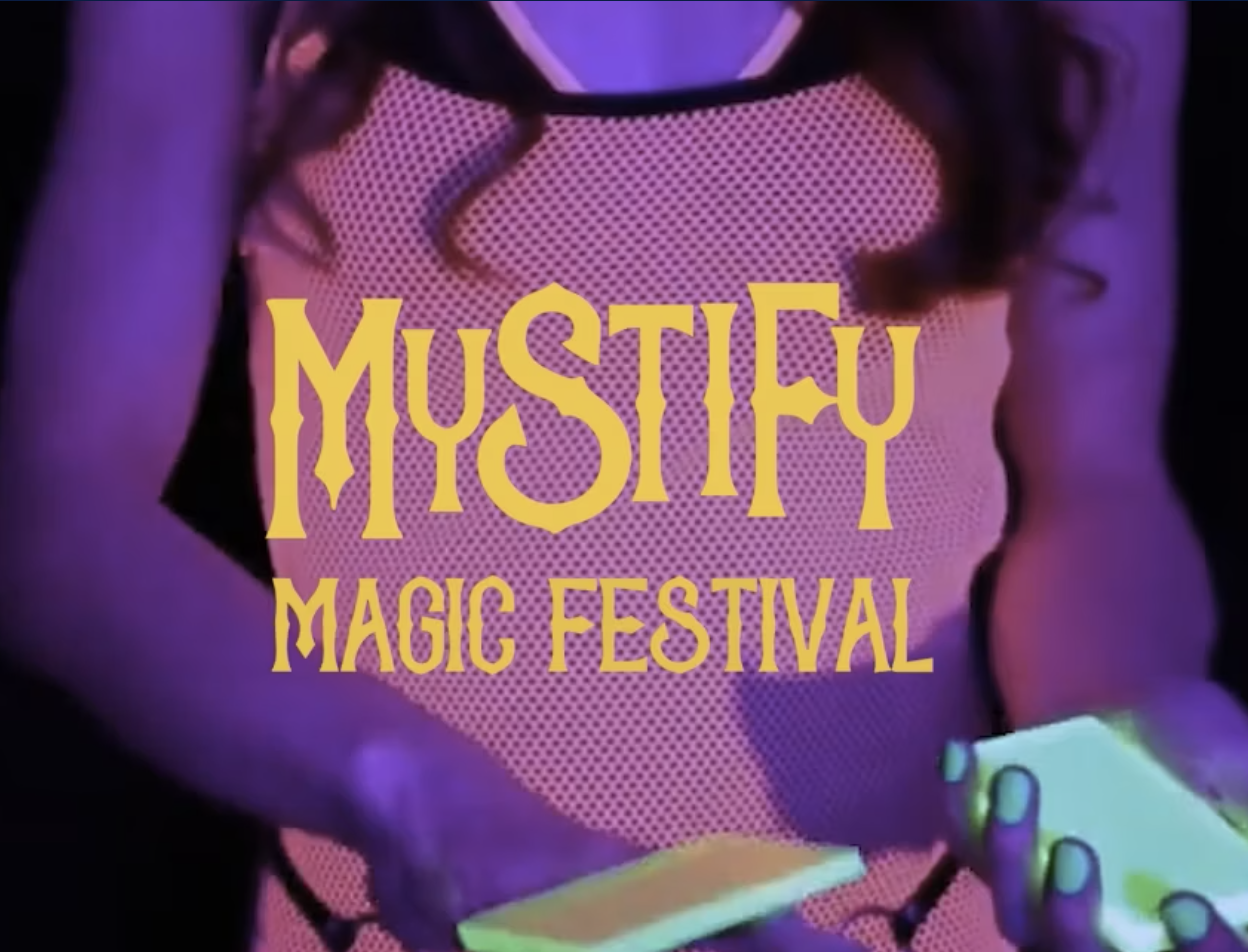
Drenched in the indigo glow of black lights, visitors to the sensory Illumination Lab Amusement Park intuit “something different” before the official programming begins. A maze made of black fabric guides visitors through whimsical installations and low-pressure creative exercises. We make shadow puppets, write advice for future visitors, and plunge our hands into a ball pit in search of plush bunnies.
In the coming days, the difference manifests not just in shows, but in lectures and workshops, too. On our Mysticism & Magic panel, Krystyn Lambert grieves the ironic marginalization of women in the historically women-led field of mysticism. Attendees of Anastasia Synn’s Biohacking & My Dead Husband pass around a computer extracted from her leg. Luna Shimada discusses Exploring the Divine Feminine.
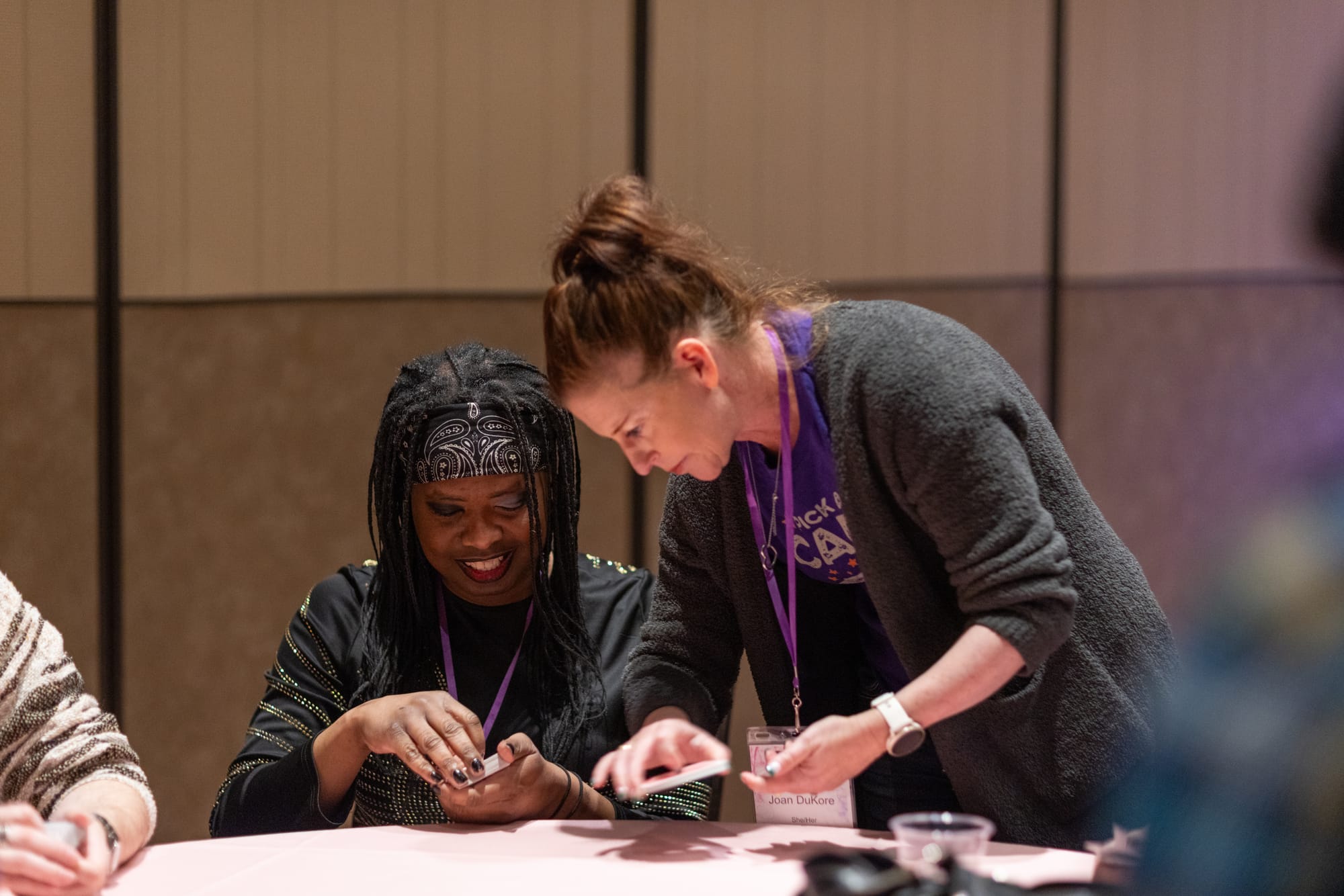
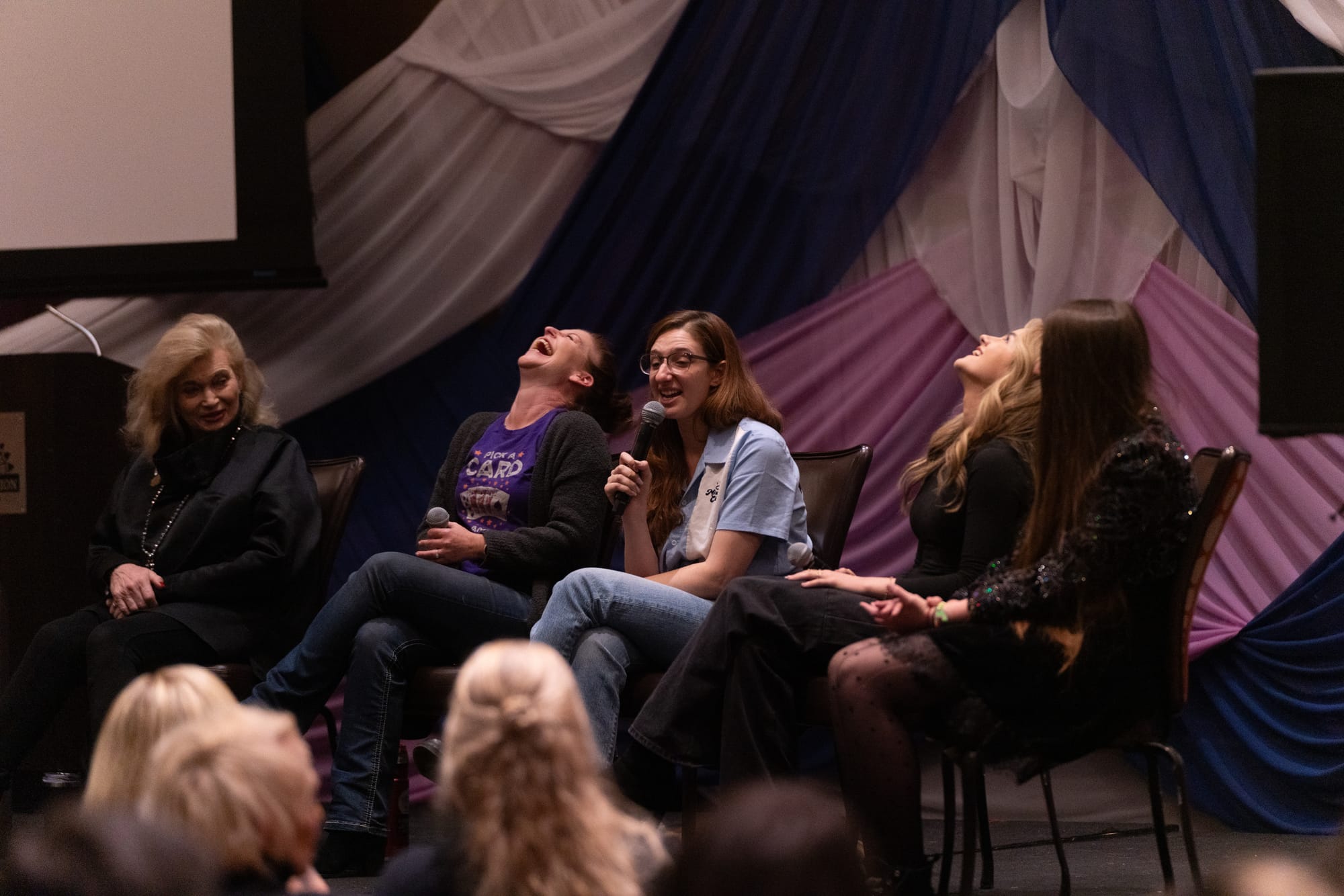
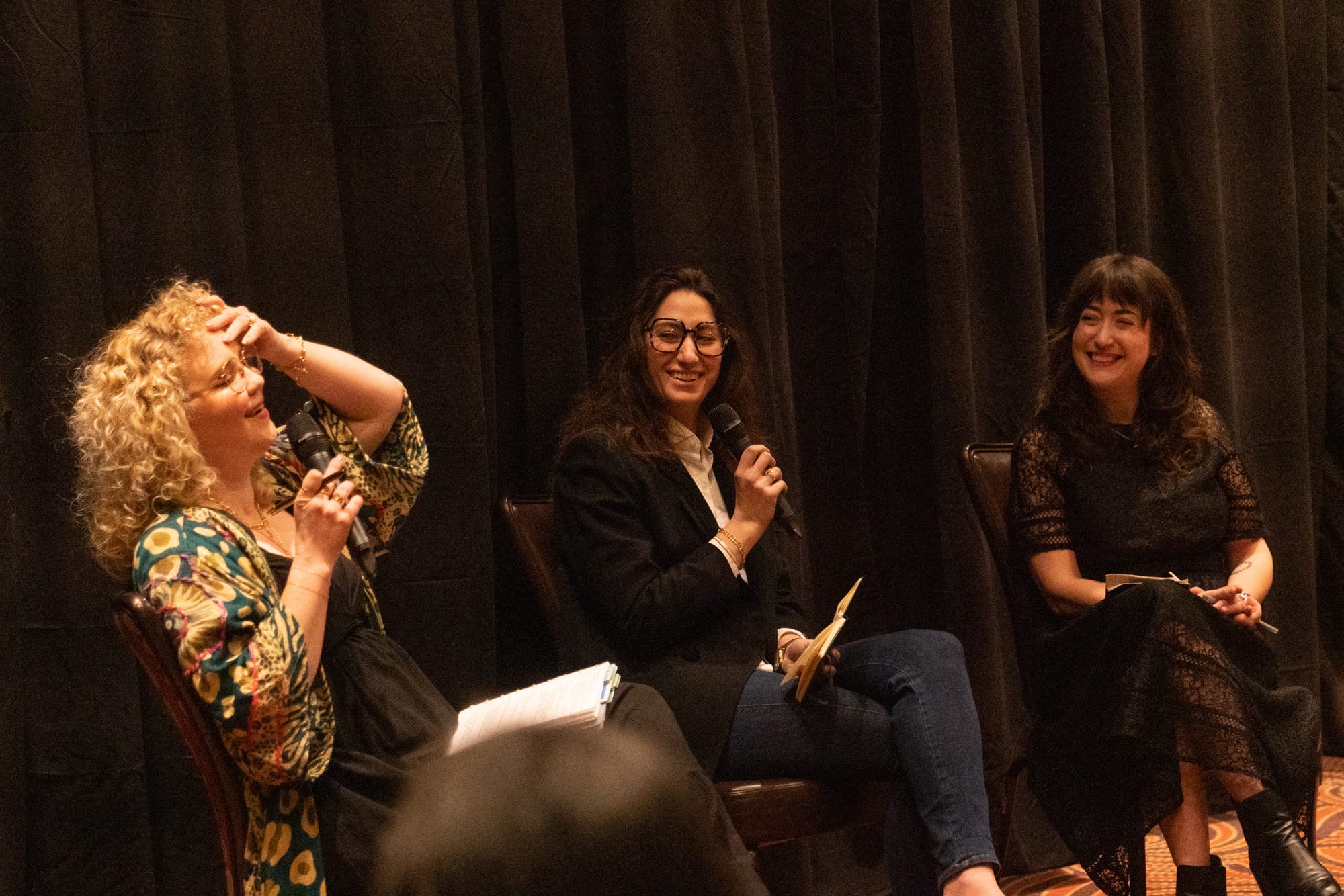
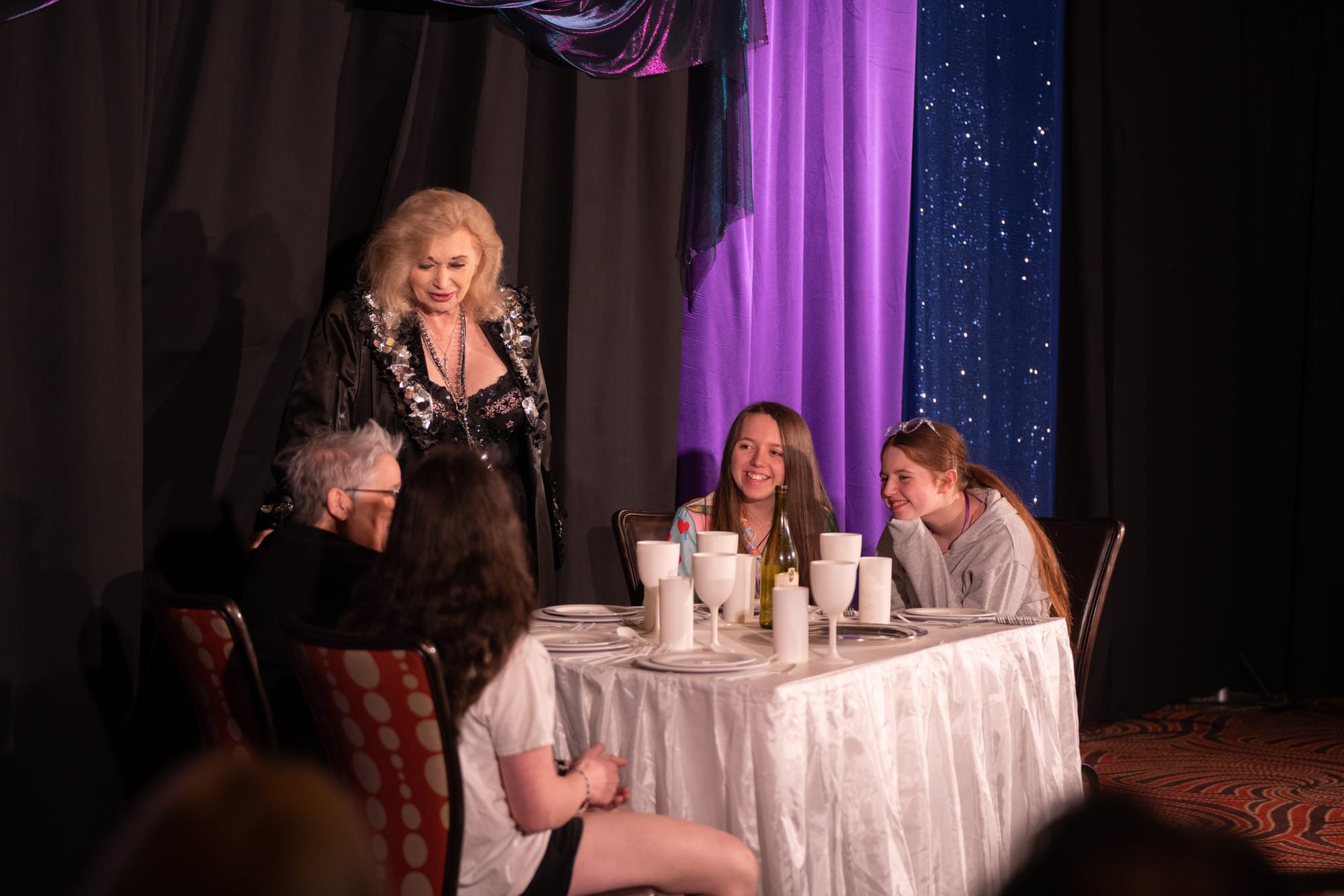
Dakota K. Preiset and Joan DuKore (Photo by David Szymanski) / Generations panel and Mysticism & Magic discussions (Photos by Russell Klimas) / Fay Presto performs in Close-Up show (Photo by Russell Klimas)
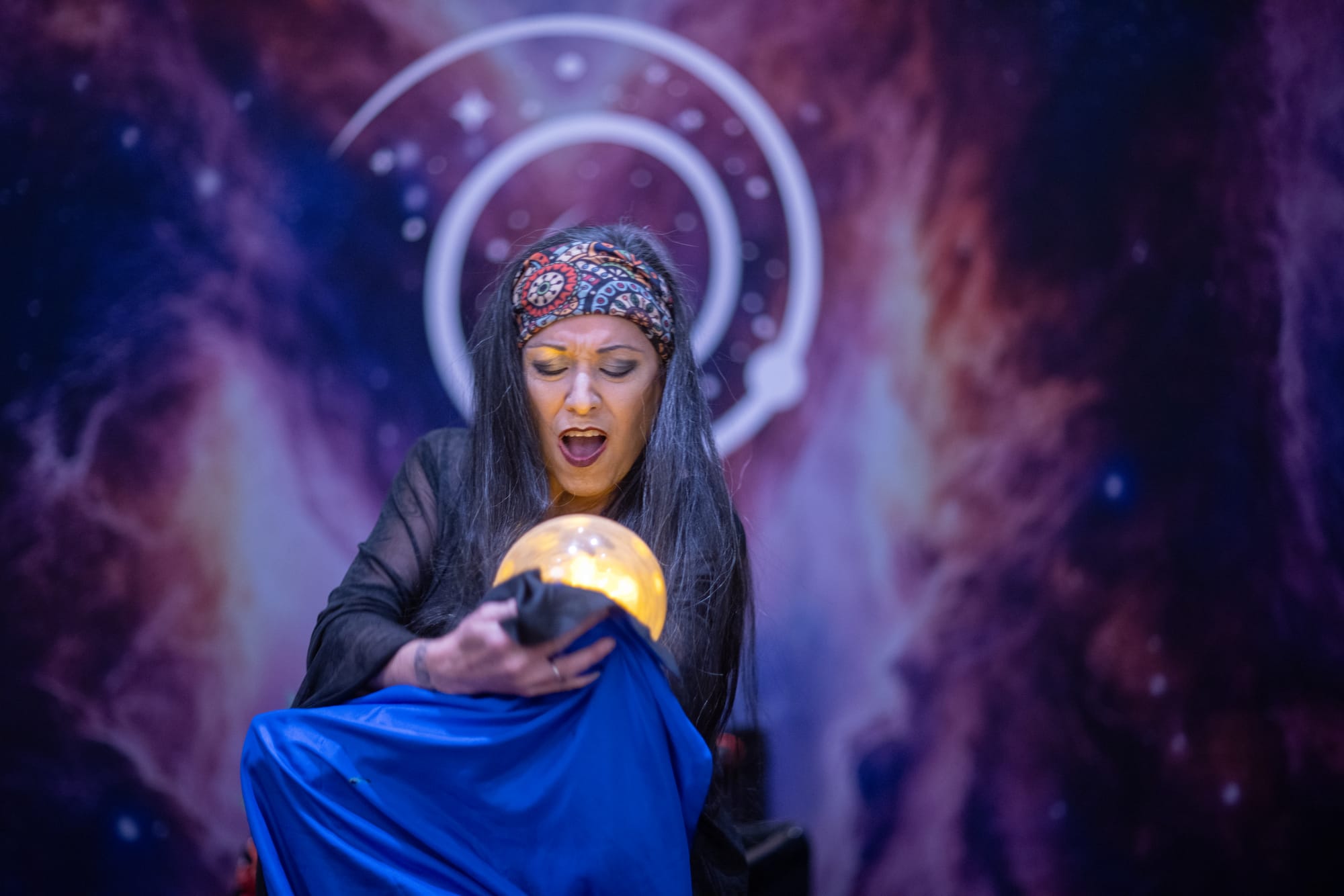
Technique-focused sessions diverge from those at standard magic conventions. Lisa Menna details original methods dependent on assumed anatomy. Krystyn’s cold reading lecture touches on avoiding cultural appropriation. Randi Burton talks topits for outfits besides suits. Alyx Hilshey shares not only her process for efficient practice, but also her thoughts on audience perception and performer safety in a polarized social landscape.
Even the historical and business talks feel quietly radical, with untold stories and sought-after information suddenly made accessible. Connie Boyd asks whose stories are told in her session on women’s influence on magic. Nicole Cardoza discusses how to make it as an independent artist, agent Karen Maybury Webb gives advice on booking cruise ships, and Diana Zimmerman lectures on powerful personal branding.
The Curtain Rises
Leah opens The Curtain Rises Opening Show, sponsored by Magic Castle Enterprises, with an evocative, multimedia articulation of Mystify’s goal: an inclusive future for magic. Emcee Rachel Wax channels the heightened theatrics of Siegfried & Roy—sequins included—to produce her 14-pound, 2-year-old pug, Kiwi.
Connie Boyd presents the Unstoppable Force Award to Fay Presto, honoring her impact on magic and inviting a raucous standing ovation. Gabriela Lester introduces the Misterfy Award to Benjamin Barnes for his work championing women magicians.
We also enjoy performances from Juliana Chen, Joan Dukore, Alexandra Duvivier, circus performer Cate Great, and zero men… well, except for cameo appearances by Lance Burton and Jeff McBride.
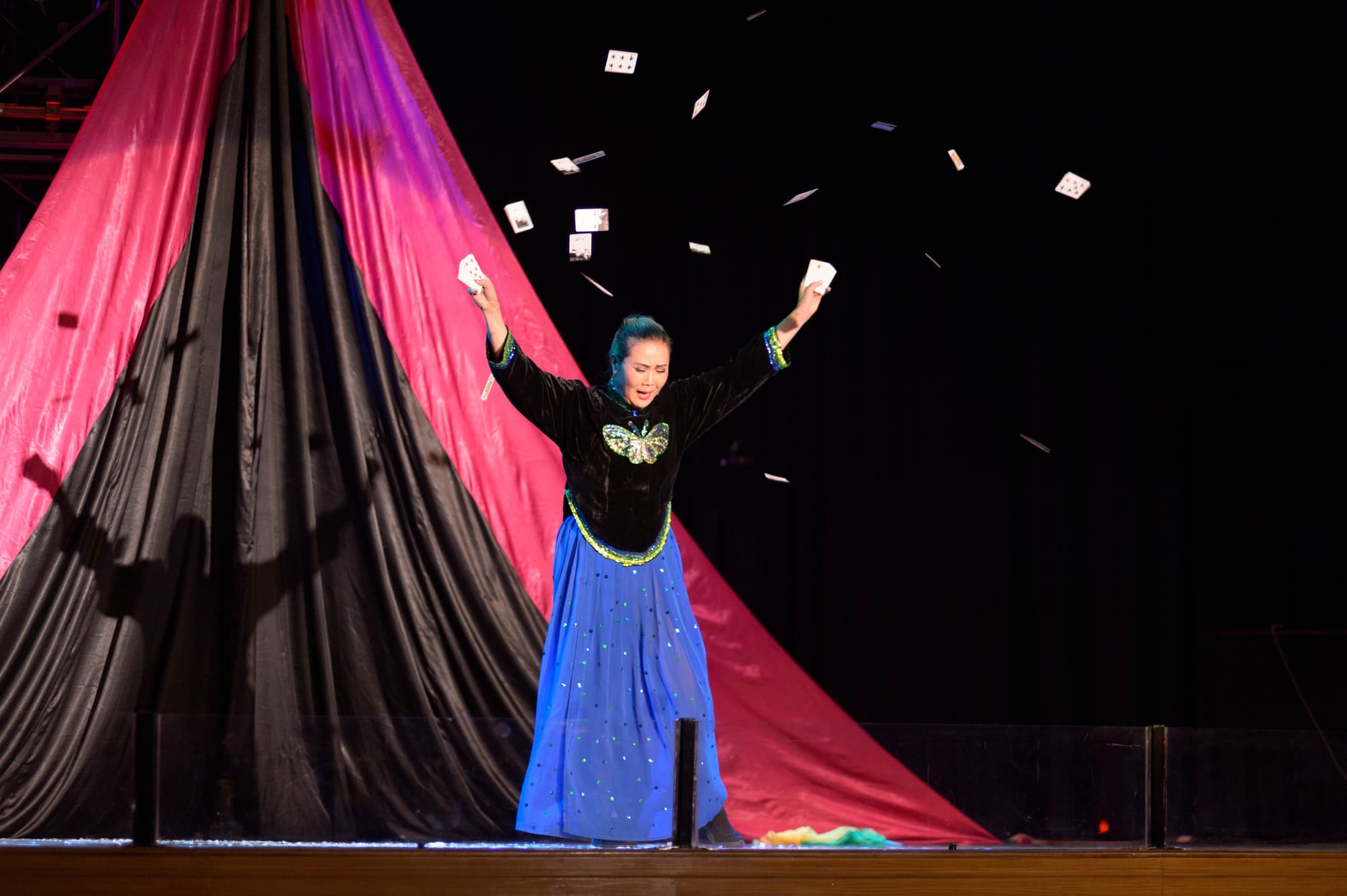
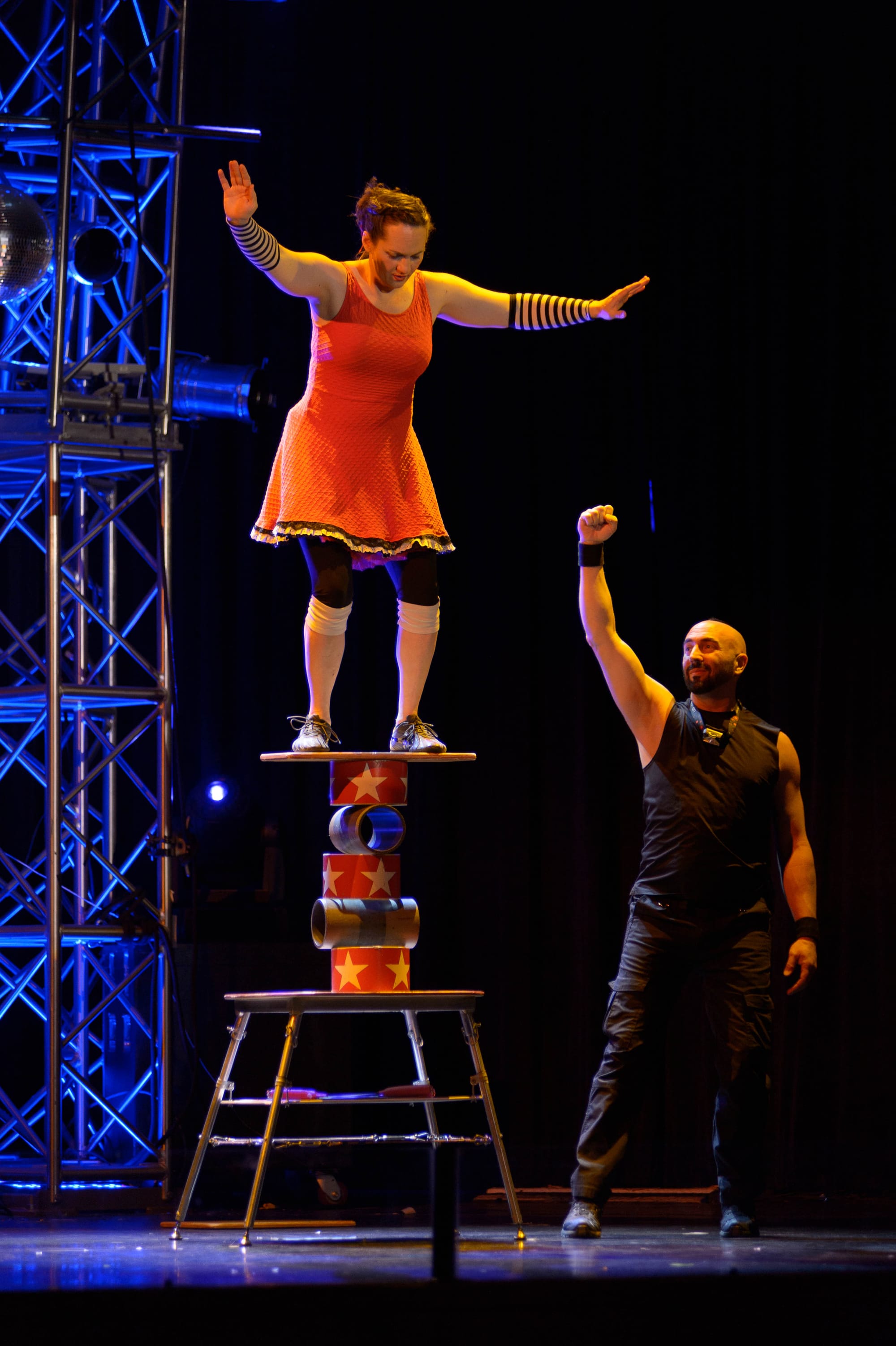
Cards fly as Juliana Chen opens the first gala show; Cate Great towers in the opening gala / Photos by Charles Ryan-Barber
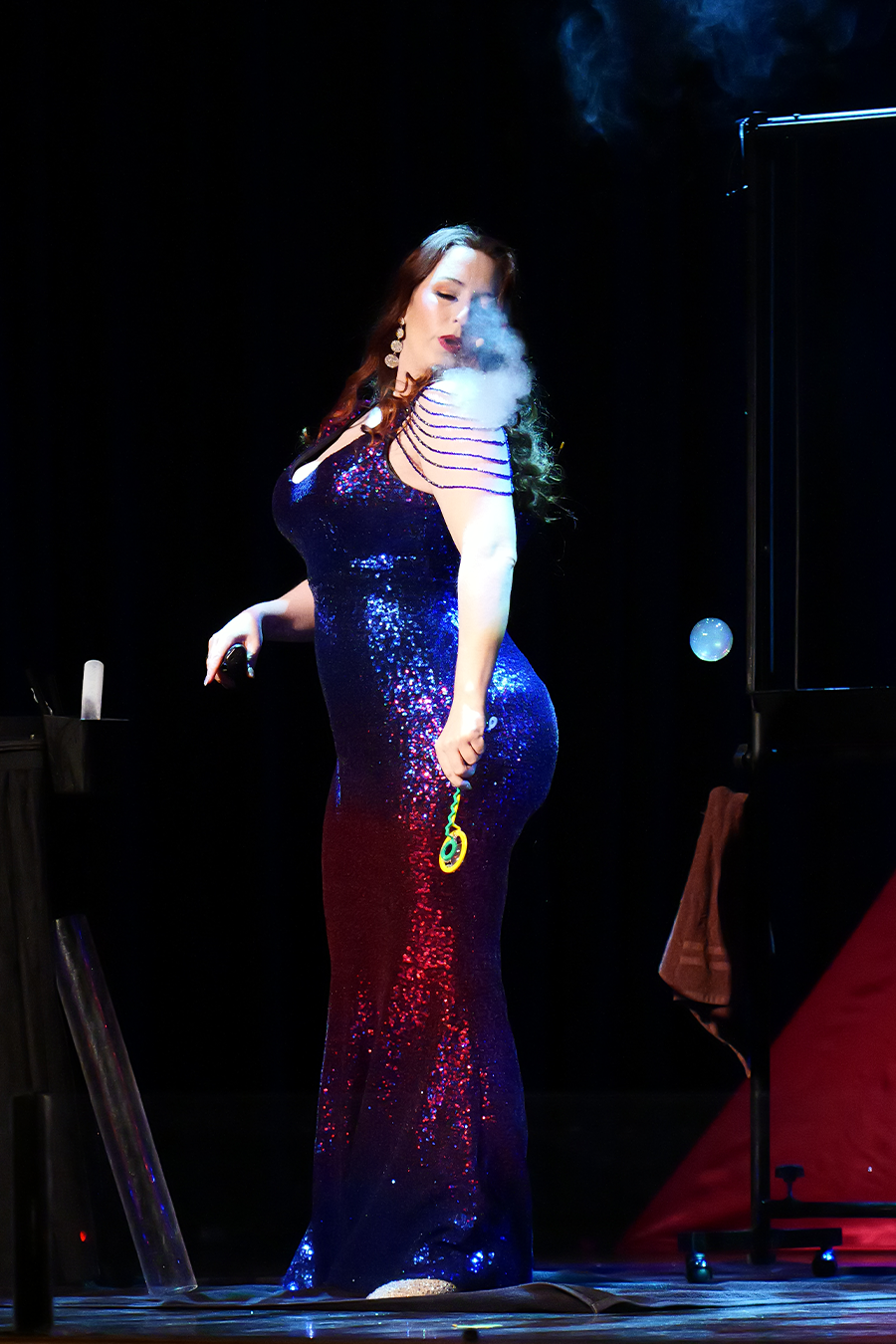
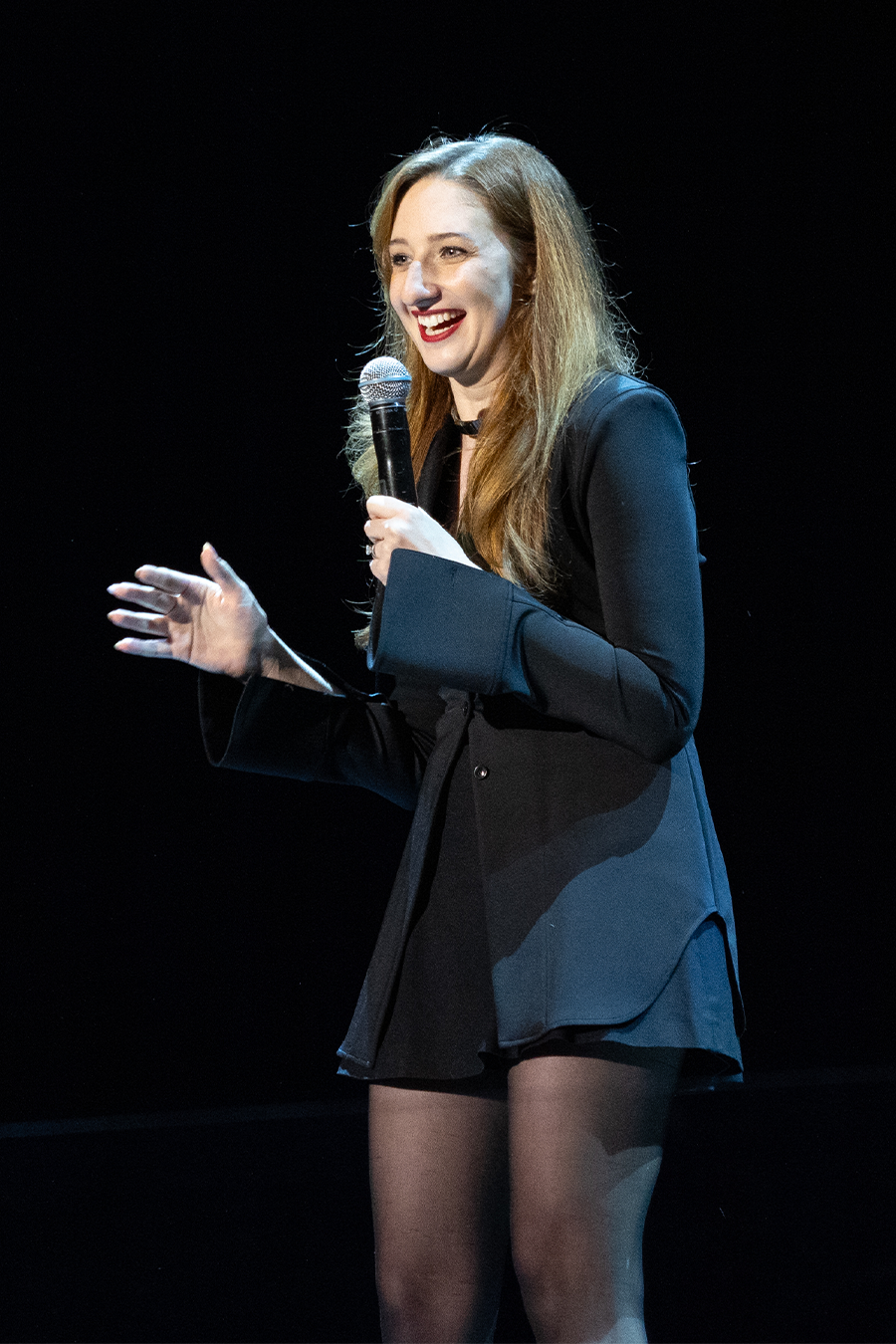
Meadow Perry / Photo by Erik Casey); Rachel Wax / Photo by Russell Klimas
Men will not comprise the majority of this week’s performers and presenters. Nor do they comprise most of the planning team, which has more trans people than cis men. Men are also not the majority of registrants, for once; among those who put pronouns on their badges, only about 40% list “he/him.”
But men are enthusiastically welcomed at Mystify, both on and off its stages. “A common misconception is that men weren’t allowed to be there,” Leah tells me the following week, “and that couldn’t be further from the truth.... If we don’t invite them, then we don’t all grow together.”
The Possibility Model
In their lectures, Connie Boyd and author Margaret Steele challenge dominant perceptions of the magician-as-male, highlighting how magicians of different genders have been conjuring all along.
Non-white magicians, too, have always been here. No Tricks, Just Truth: Tackling Racism and Cultural Harm is one of just two panels scheduled opposite no other events. Navajo magician Brian Yazzie opens the event with a land acknowledgment. Brian’s co-panelists include Benjamin Barnes, Minneapolis-based magician Noah Sonie, and performing artist April Choi. Moderated by Nicole Cardoza, the conversation spans audience biases and perceptions, access to magic, representation, and lots more.
“Growing up, I was obsessed with Harry Houdini,” Noah says. But in college, he discovered Henry Box Brown, the enslaved African American magician who liberated himself via shipping box. Learning Brown’s story unfolded a world of new possibilities for Noah.
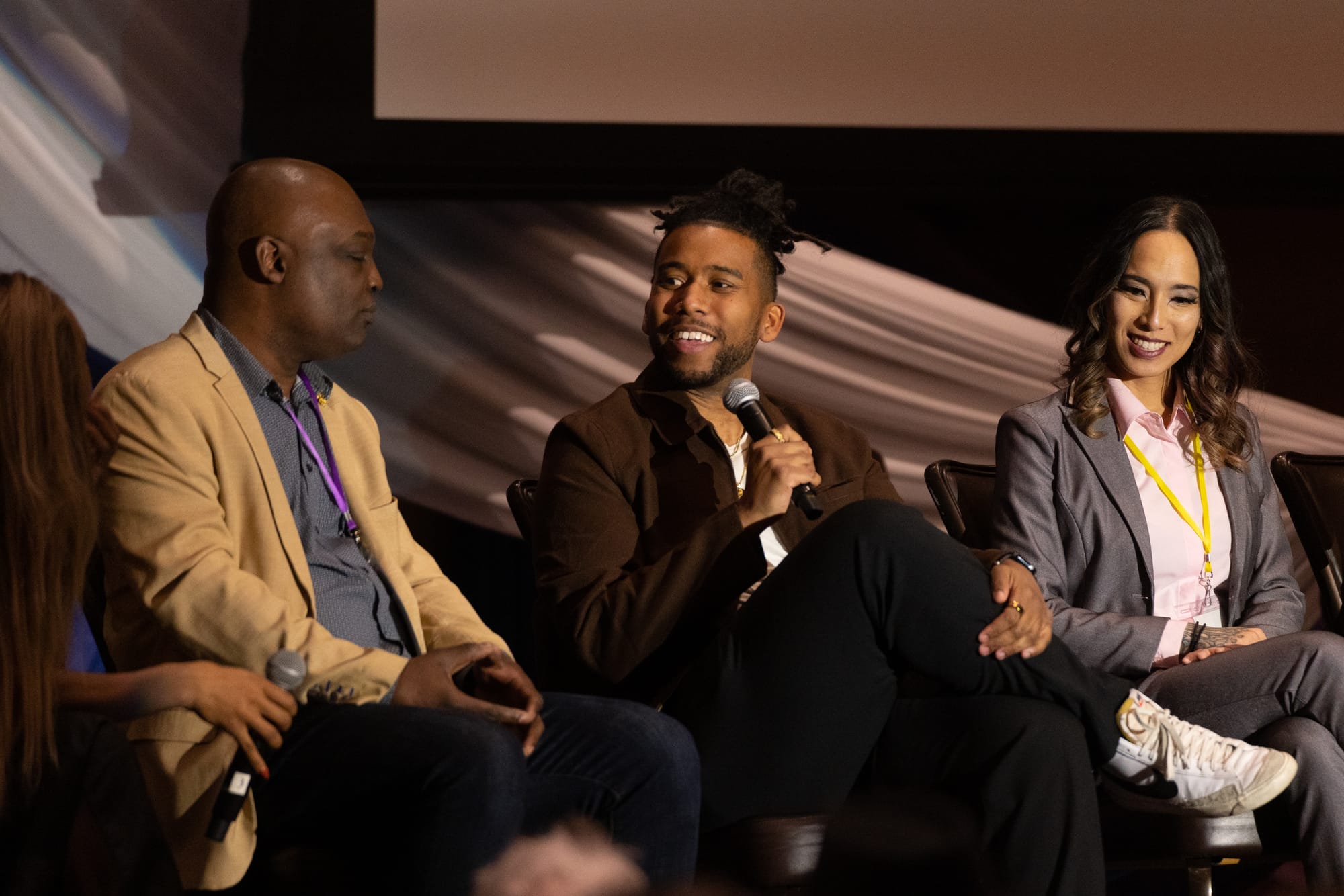
“The past is not just a collection of facts,” Ben says. “It’s a blueprint for the future.”
These reflections exemplify the Possibility Model, one of Mystify’s two primary pillars. “The likelihood of you succeeding in a field,” Leah explains, “is directly correlated to you seeing someone who looks like you succeeding in that field.”
Close-Up & Cabaret
That evening, Jan Rose hosts the Close-Up Show, sponsored by the Chicago Magic Lounge. Fay Presto, Abby Segal, and Alyx Hilshey wow, as does Paige Thompson with her original Oil & Water. I’ve seen Paige perform this piece many times before, but the focus on nail polish colors feels extra satisfying in this women-focused context.
At the late-night Something Different Cabaret, Martika swallows a sword, Bri Crabtree juggles hats, and Tumbleweed jumps rope on rollerskates. Benjamin and Thom & Thom and Benjamin showcase the duo juggling act they’ve honed for a decade. Mondre manipulates light and color. Stacey Stardust walks barefoot over a constellation of broken glass and Anastasia Synn pushes a skewer through her arm, sawing the glinting wand ever forward and through.
Show closer Felice Ling, who performs as Just Felice, laments that she has few friends before producing a whole set of new chums—whimsical critters she crafted herself for this original routine—from a Play-Doh container. Her deadpan delivery has the room in stitches, and at the final production, we leap out of our seats for an extended standing ovation.
As emcee, Las Vegas-based drag queen magician Miss Uchawi earns robust laughs—both from Bill to Lemon volunteer Danny Orleans, and from the adoring audience, who remain charmed for the show’s two hours. “I’m a comedy magician,” she tells me the following afternoon, out of character (and wig). “I just don’t like to say it because I feel like the drag implies it.”
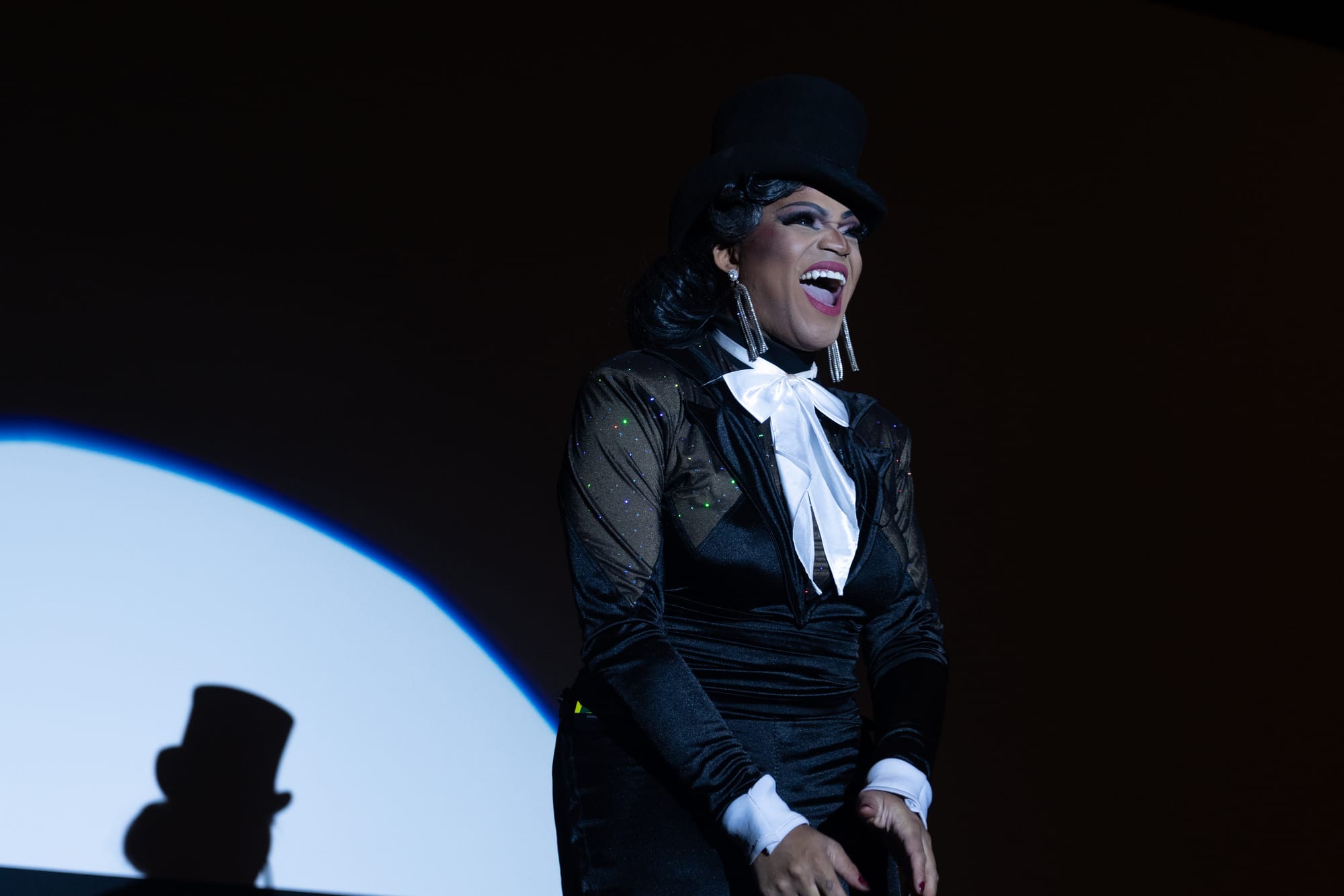
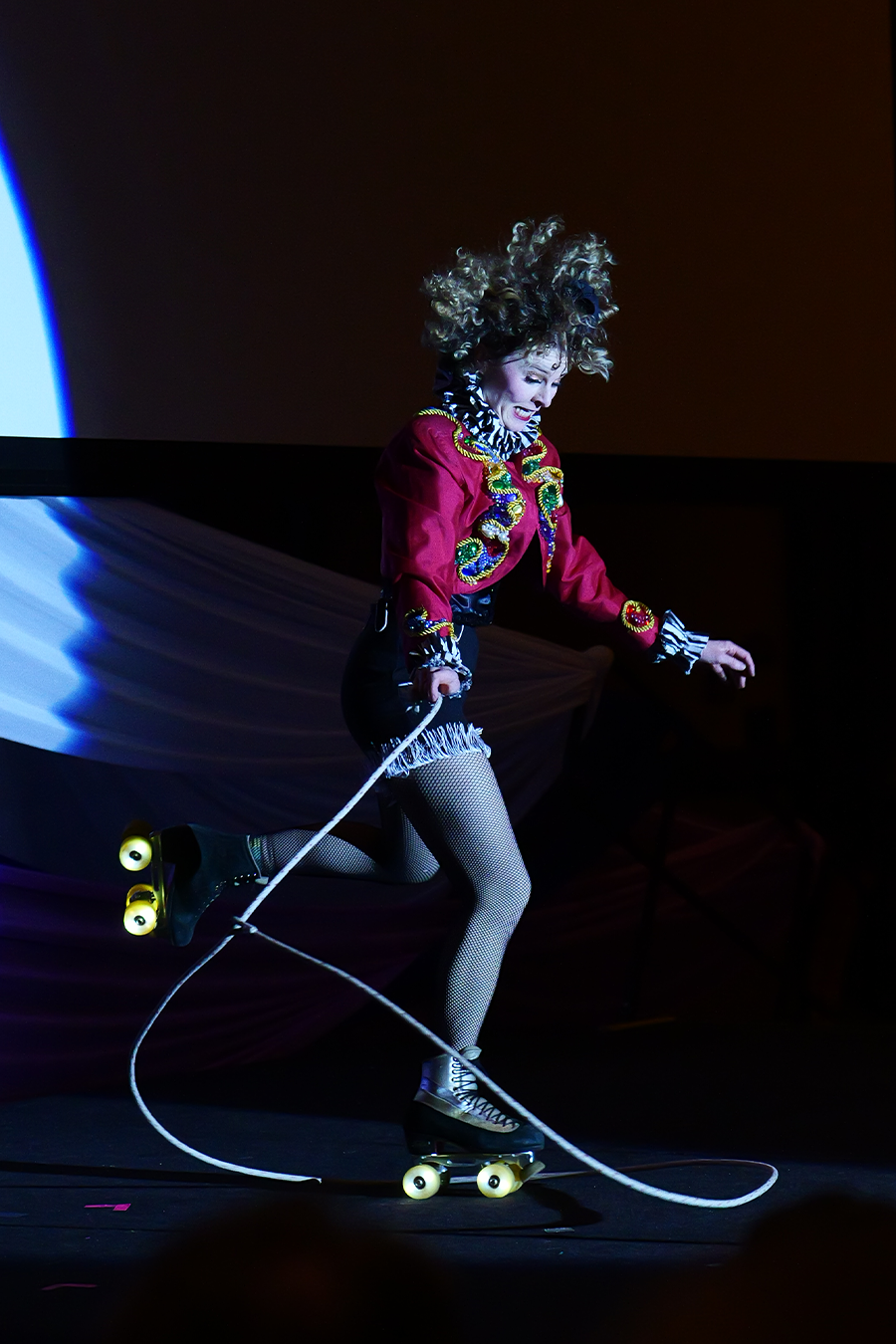
Miss Uchawi (Photo by Russell Klimas); Tumbleweed (Photo by Erik Casey)
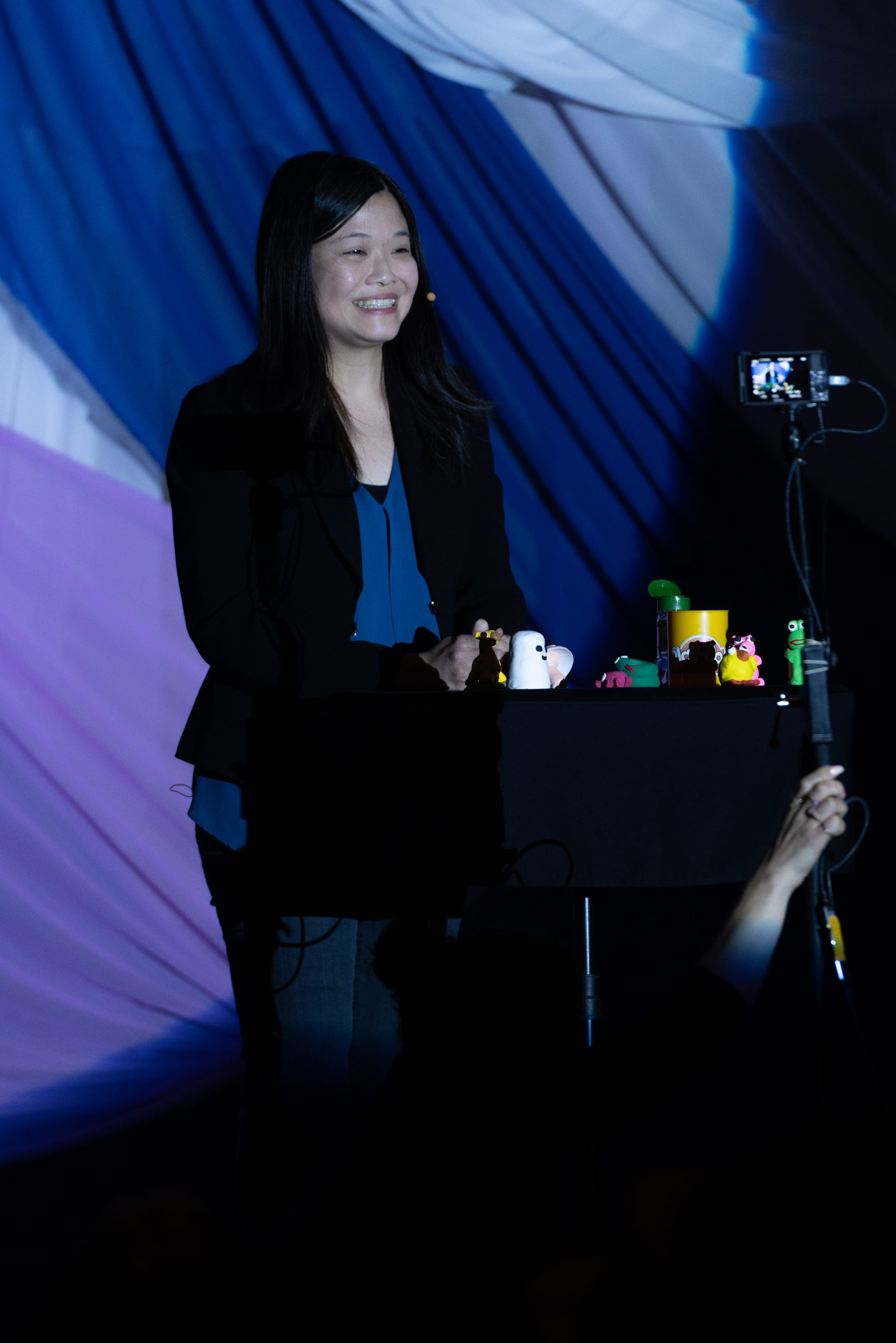
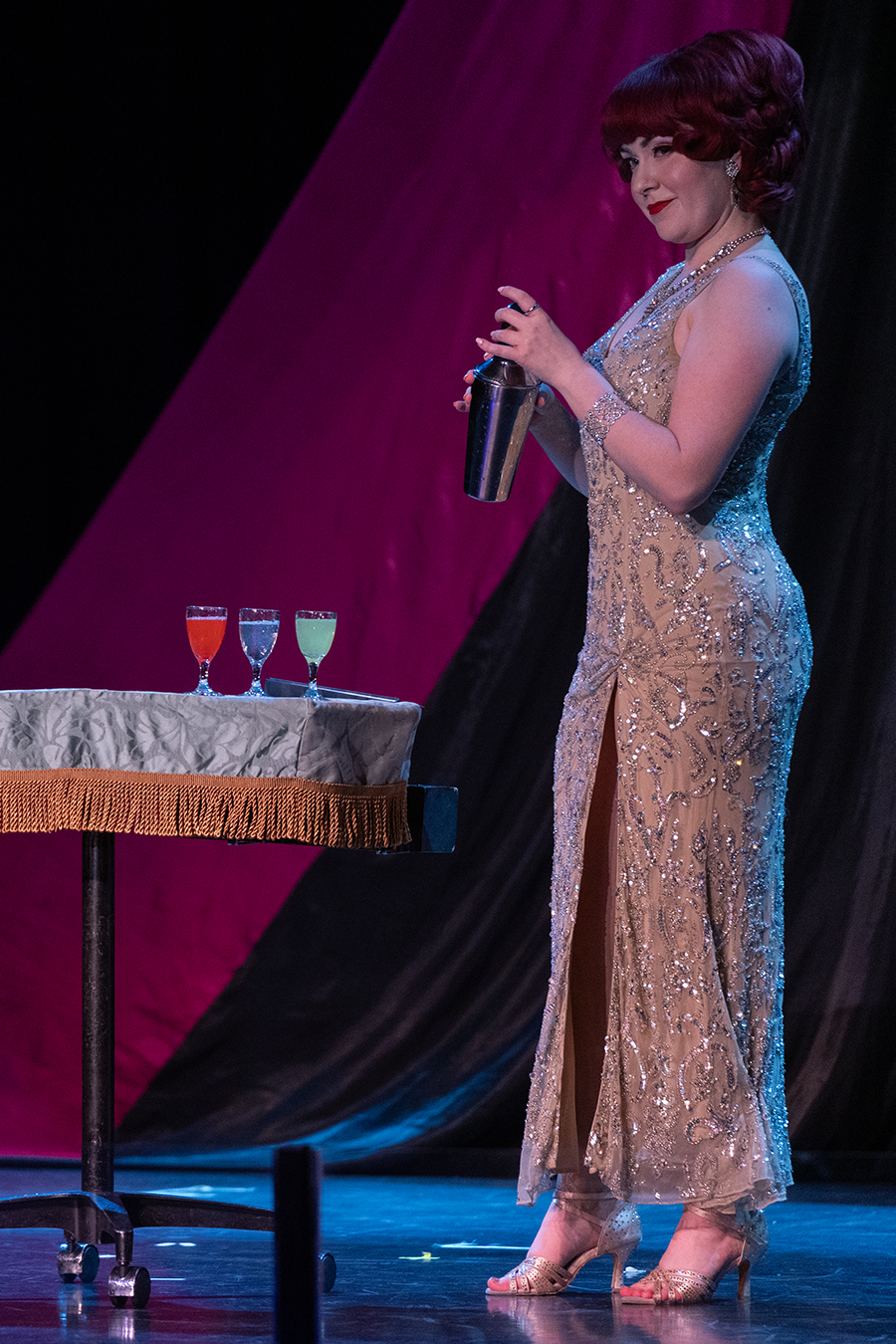
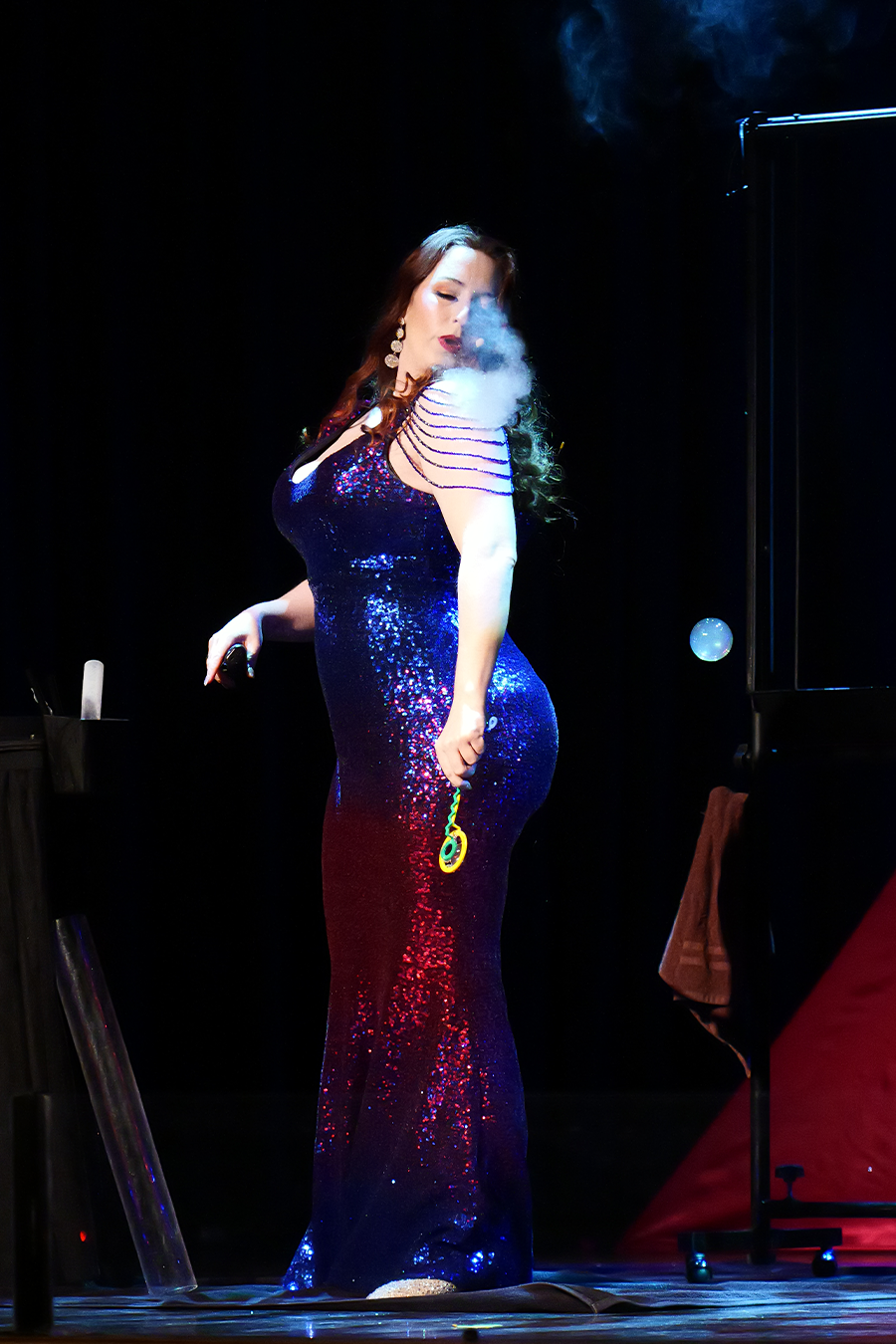
Just Felice and Lucy Darling /Photo by Russell Klimas; Meadow Perry / Photo by Erik Casey
Opportunities Come from People
Later that day, Miss Uchawi compares Mystify to another event she attended. “I went to a magic convention—I must have been 21 or so—I had a terrible experience. I was just an openly queer, gay, brown person, and immediately felt uncomfortable.” She had hoped to find a mentor, but that clearly wasn’t in the cards. “So I pretty much wrote it off. It was such a bad experience.”
By contrast, Connection is the second of the two Mystify pillars. “Opportunities come from people,” Leah says. “You can practice, you can be really good, but if you don’t know the right people, you’re not gonna get the opportunities you want.”
Along with spaces to jam, Mystify hosts lightly structured affinity groups called Muse Rooms. Some focus on magic specialties, like strolling. Others bring together attendees who are chronically ill, neurodivergent, non-white, or non-cis. One Muse Room, which a young Miss Uchawi might have appreciated, is designed to connect mentors and mentees.
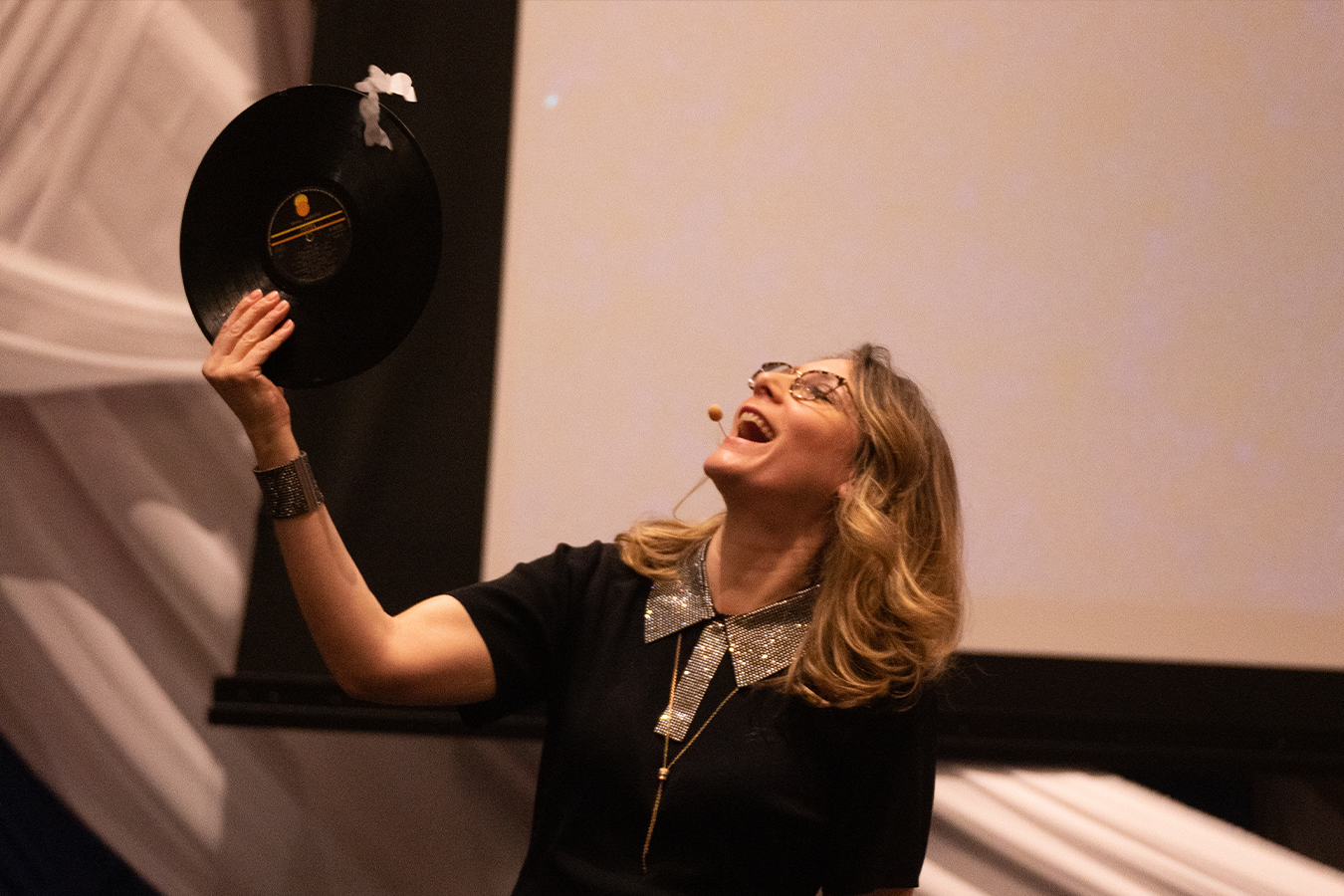
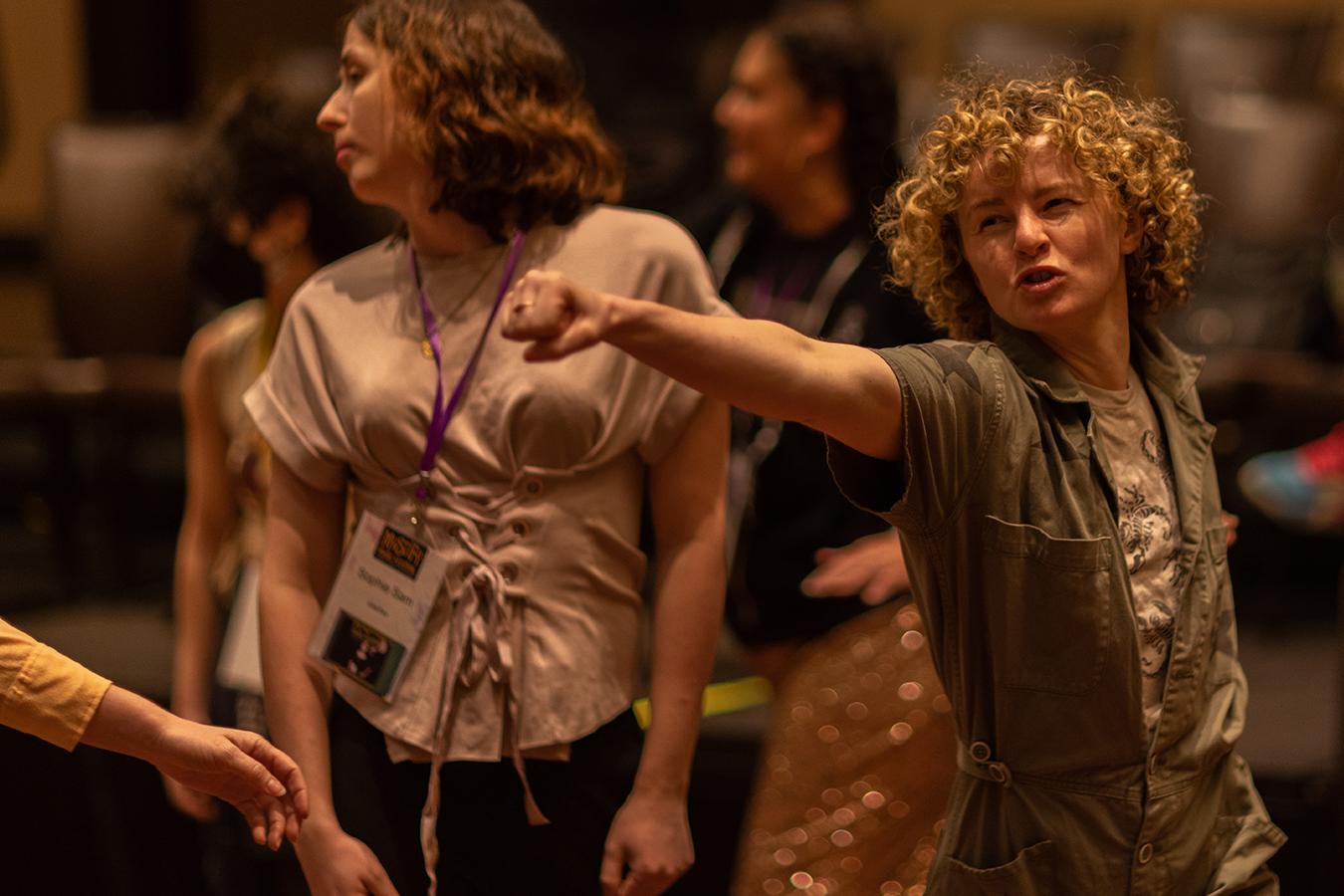
Alexandra Duvivier and Keara Scannell (Photos by Russell Klimas
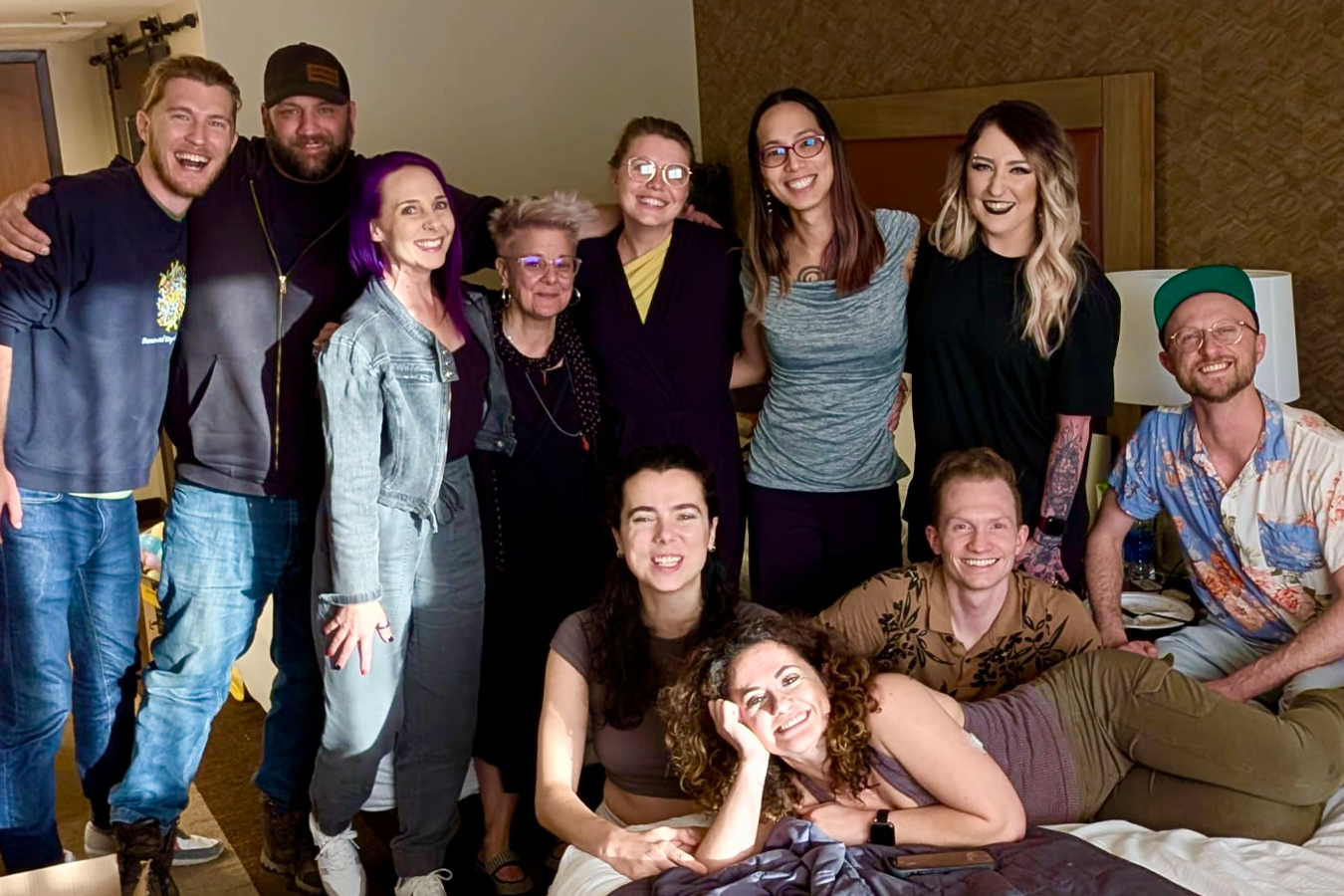
Then there’s the Mystify scholarship program, which made registration, hotel, and/or travel possible for 30 attendees of all ages. In a world rife with gender- and race-based pay and opportunity gaps, financial accessibility is key to an event with goals of inclusion.
Focusing on connection in this way breeds open interaction and a sense of candor. “It’s a very different magic convention,” says Ari Rose, a close-up magician and mentalist based in Orlando, Florida. She describes it as “the most welcoming, kind, warm environment I’ve ever experienced at a magic convention.”
“This really is so awesome,” says Jann Goodsell, a former president of the Society of American Magicians who currently co-chairs its DEI committee. Of Mystify, she says, “It has been more than I anticipated—and I anticipated a lot.”
Another difference—and draw: Mystify offers an environment that doesn’t welcome creeps. Speaking personally, being a woman at a magic convention can feel, paradoxically, like I’m being both excluded and cornered. At best, I leave a jam space early and lose networking opportunities; at worst, I fear for my physical safety.
Sexual harassment and assault do happen in large gatherings, and those of us who listen to our colleagues know that magic conventions are no exception. For years, women in industries including ours have warned one another of perpetrators—some of whom are random strangers, and some of whom are respected players. Many of us have craved a more comfortable, safer-feeling magic convention for years—some, decades.
Challenging Homogeneity
Yet, as recently as summer 2024, Leah had doubts. “I was going to be thrilled if 150 people showed up.” One hundred fifty people did register, then 200. Leah reserved a third ballroom, shuffled each event into a bigger space, and made more badges available. Registrations climbed to 250, then 300, then 350. By January 2025, the entire hotel was sold out.
When we arrive at the Mystify registration area in droves, we’re encouraged to decorate our name badges with stickers. Among the fun moons and crystals, there’s a queer pride sticker and a few with slogans: “I’m here to learn,” “Show me a trick,” and “My first magic convention.”
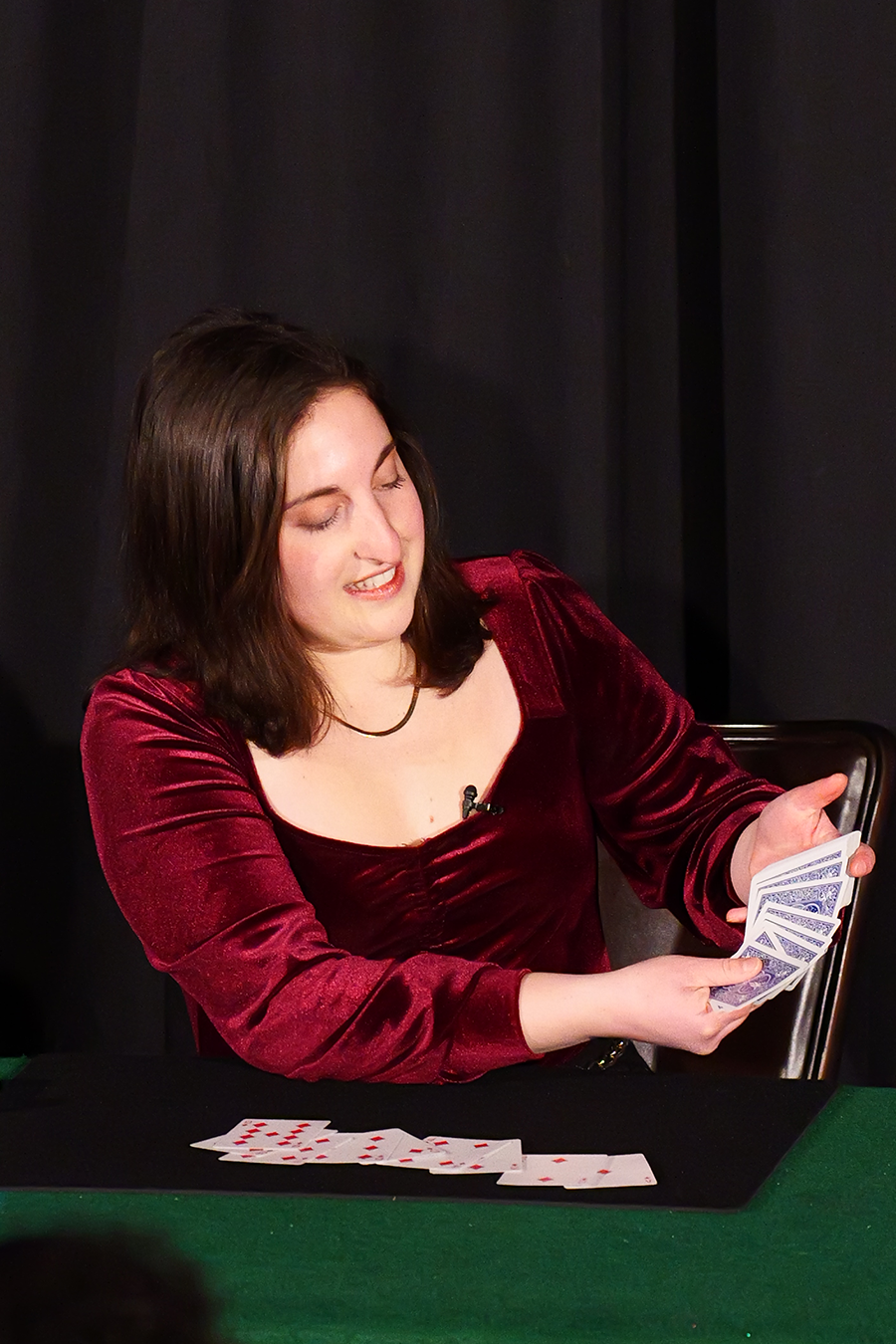
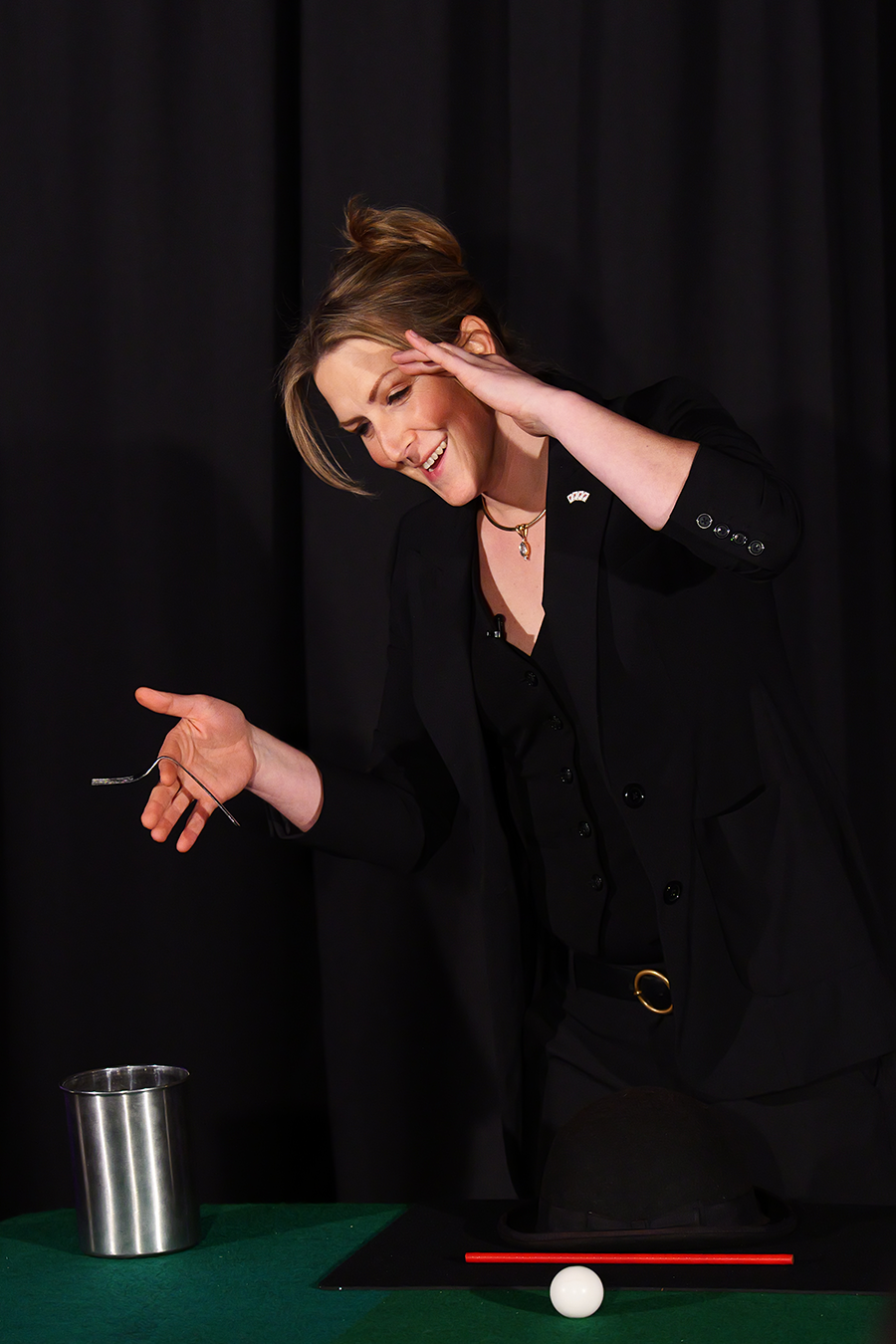
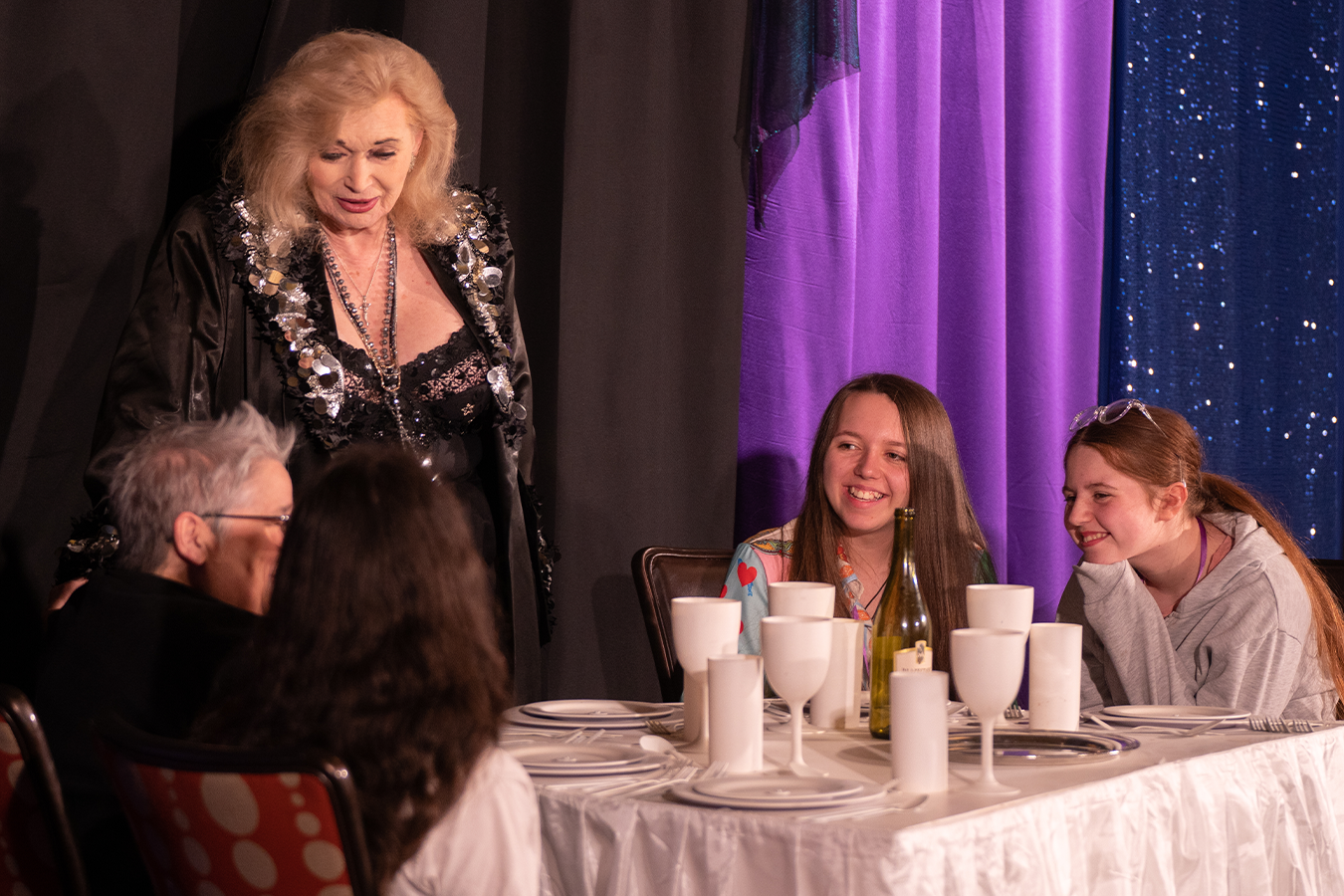
Close Up Performers: Abby Segal, Alyx Hilshey (Photos by Erik Casey) and Fay Presto (Photo by Russell Klimas)
The “Raised at a magic convention” sticker appears on more than a few badges— Leah’s not the only one who has witnessed both change and stagnation in the industry her whole life. I do a double-take when I see musician Asia Lupo, who tours the nation with their bands Music the Gathering and Sämäs. We once attended the same public high school on the opposite side of the country. I didn’t know it then, but their dad is a magician: FISM-winner Vito Lupo.
Asia remembers being separated from their parents at a magic event. They grabbed a hand they assumed was their dad’s, but found it belonged to one of the other hundred-plus white male magicians in a long, black jacket. Even as a 7-year-old, Asia noticed the homogeneity:
“I remember wondering why my mom, AnnMarie Lupo, was one of the only women in the room and why others would relegate her to ‘assistant’ despite her having co-created many of my father’s most famous illusions and acts. This type of environment had been endemic to the magic world, until now—until Mystify.”
A New Response
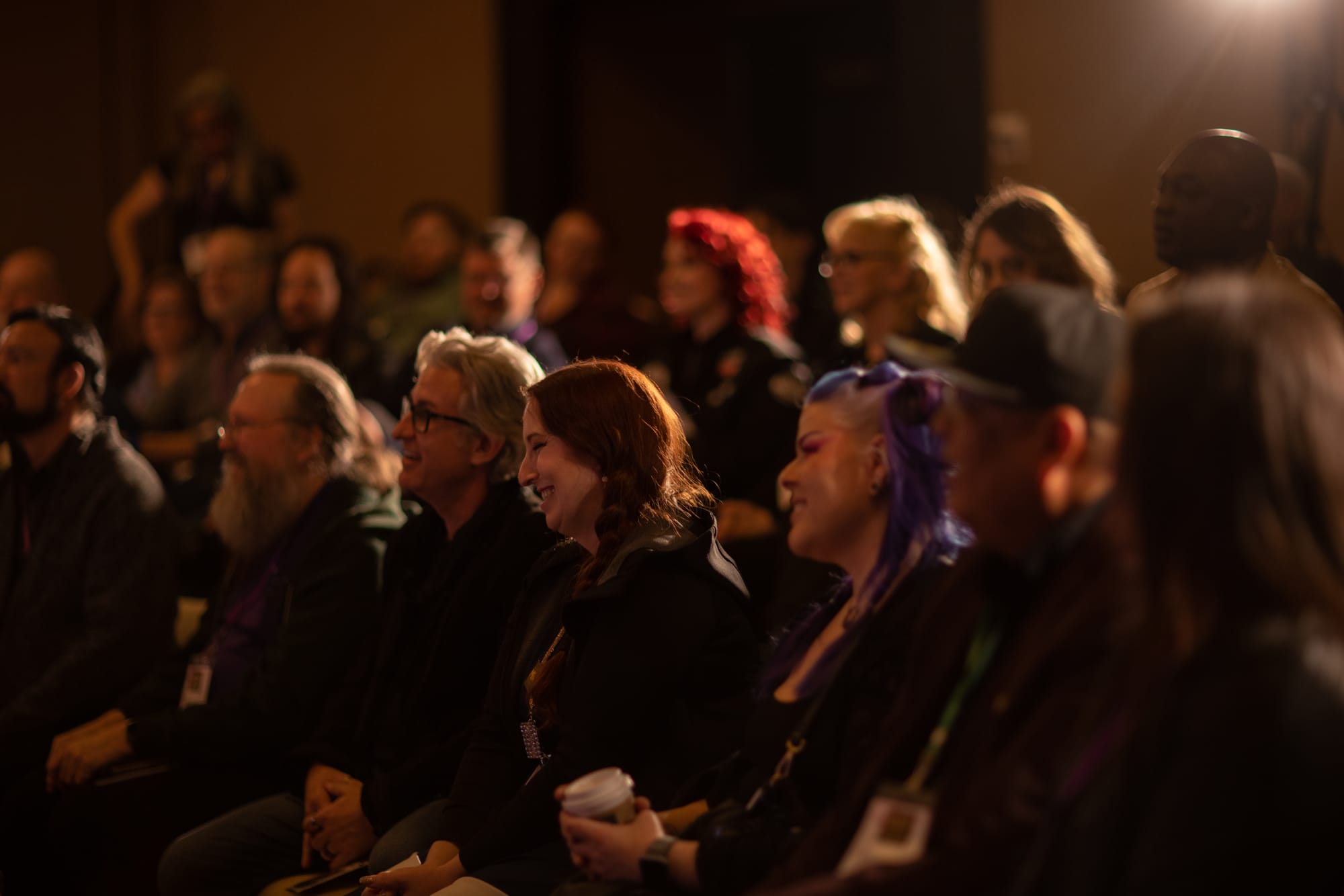
I’m at the Generational panel, which is the only event in its time slot. Birth years among Mystify registrants range from 1941 to 2016, with 25% born after 1995. The ‘16 magician is here in the audience. That means this event, like a spellbook, transmits wisdom across eight decades. Fay Presto, Joan Dukore, Rachel Wax, Gabriela Lester, and Raven Luck, interviewed by Connie Boyd, speak bluntly about what’s changed and what, unfortunately, has not.
During the Q&A, an audience member notes that the panelists are all white, opening the discussion to what must change, even in spaces like this one.
Later on, flight attendant Kalia Cruz Martinez reflects: “I identify as Black with some Hispanic, Latin roots. My mom’s family is Jamaican, and I’m a third-generation New Yorker. It was really nice to hear the conversation about racism.” Of the panel’s all-white demographics, she says, “I don’t think it was intentional. It usually isn’t, and that’s why you have to ask those questions: to bring attention to it.”
Sometimes, Kalia says, people are closed off to that kind of feedback, so she was pleasantly surprised to see that the panelists valued it: “I thought that was an amazing moment to witness.” She appreciated the response from her fellow audience members, too: “The room was so receptive,” she says. “That was the real vibe that I got, and that was in and of itself a new response.”
Kalia is one of the 30% of Mystify attendees who do not identify as magicians, but who are more likely to support our industry when they feel included. “I’m looking forward to coming back—and I bought my first magic trick.” Kalia lifts the chain around her neck to dangle the Penrose Pendant in rose gold, designed and sold by Jeff Prace of Plainsight.
Mystify Will Return
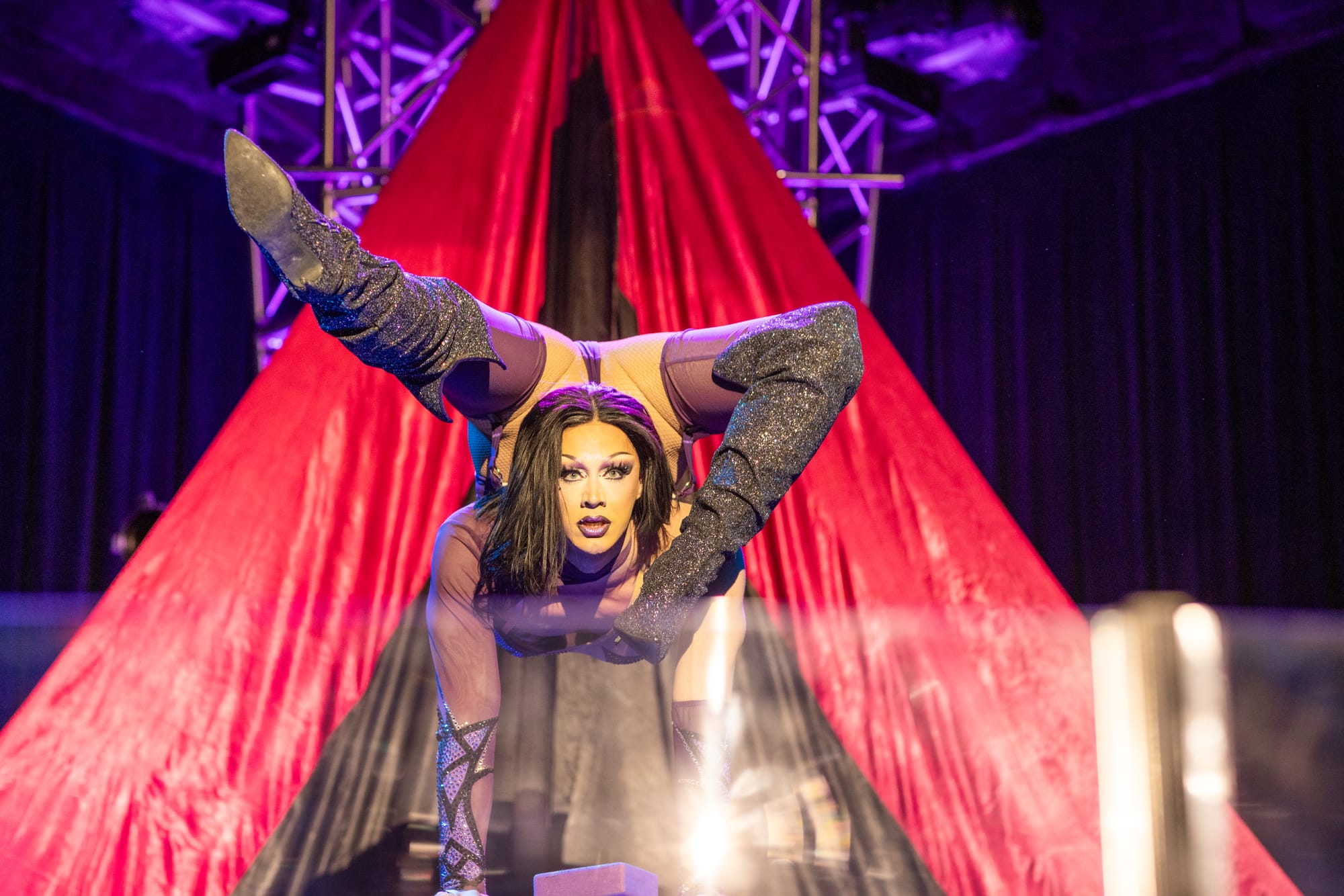
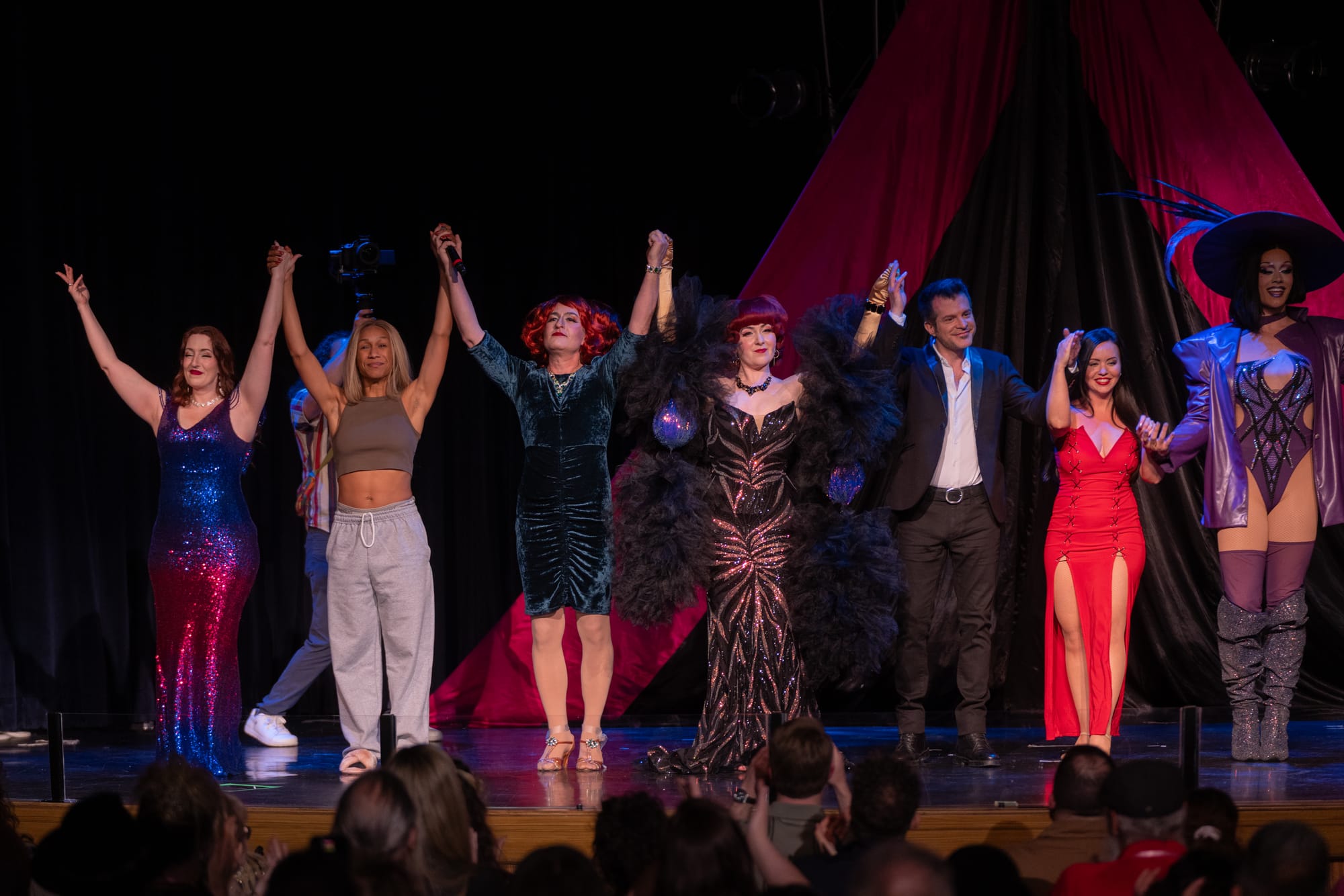
At the Closing Gala Showcase, sponsored by the Academy of Magical Arts, Carisa Hendrix emcees as the very funny Lucy Darling. Gossamer rainbows wriggle into reality under the spell of bubble artist and magician Meadow Perry. Mistie & Kyle Knight treat us to the chemistry their audiences have enjoyed for over 20 years. Nicole Cardoza reminds us of the true meaning of Miser’s Dream with an ultra-contemporary narrative set to Beyoncé’s “Cuff It.” And drag performer Scarlett Business closes the show with Cirque du Soleil-honed acrobatics that defy both gravity and magic convention expectations.
Mac King presents Rachel Wax with the Award for Comedy Magic, sponsored by The Mac King Comedy Magic Show, and the duo’s expert improvisation becomes a comedic highlight. Chris and Ryan Zubrick accept the The Boldness and Bravery Award for their work at the Zubrick Magic Theater in St. Petersburg, Florida.
And although many have already been plotting their return, it’s at the closing show that Leah finally announces Mystify’s official second act, scheduled for 2027. The Chrome Showroom transforms into a dance party. In either fancy threads or pajamas, per the evening’s dress code, attendees dance until they spill out onto the casino floor. Then, it’s midnight, and therefore, time to howl.
A week later, when we’re all home recovering, Leah will launch a Patreon and a Discord to keep the community alive with lectures, book clubs, and mentor-mentee matchmaking. The Mystify magic show tour will kick off at Illusions Magic Lounge in Santa Monica, California, this month.
But not yet. Right now, we’re still at the Generational panel. The Q&A is still taking place. A hand goes up: “How can we keep this forward momentum going?”
It’s Fay Presto who answers the question. She immediately lifts her microphone and says, “It’s simple. Sign up for Mystify 2.”
Visit the Mystify Magic Festival website for more information and to register for 2027