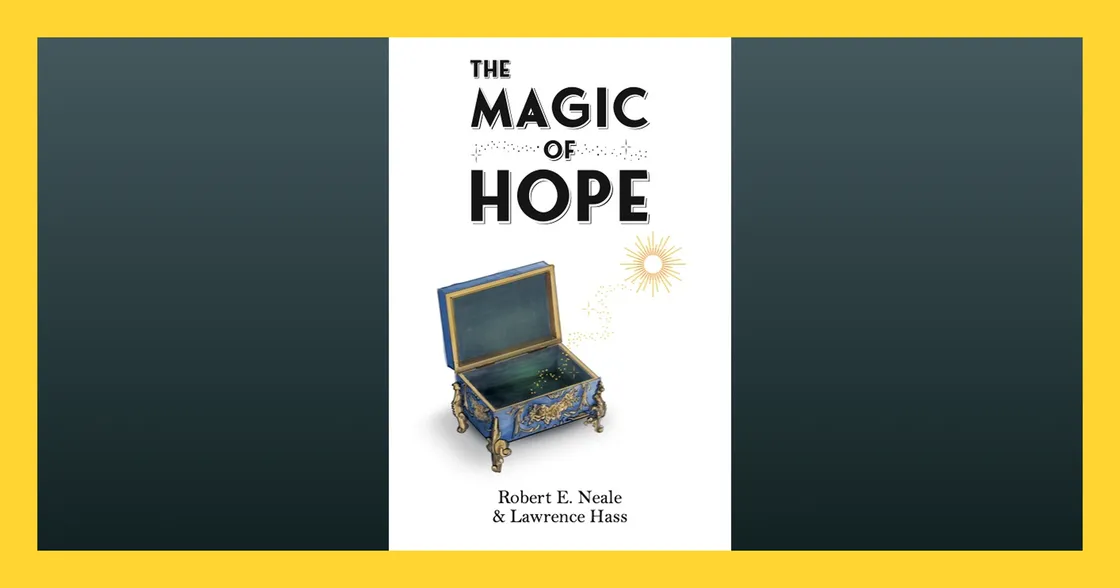
The Magic of Hope
The Magic of Hope is a humble, paperback collection of story- infused tricks, routines, and thoughts that mean to bring hope and inspiration to their viewers and performers alike.
Reviews, previews, and features on books about magic, performance, or theory.
The Magic of Hope is a humble, paperback collection of story- infused tricks, routines, and thoughts that mean to bring hope and inspiration to their viewers and performers alike.
Craig Petty knows how to structure and teach hard-hitting, flashy magic for the every-audience. Absolute Madness is a fast and easy read with an accompanying performance-only video of the described effects.
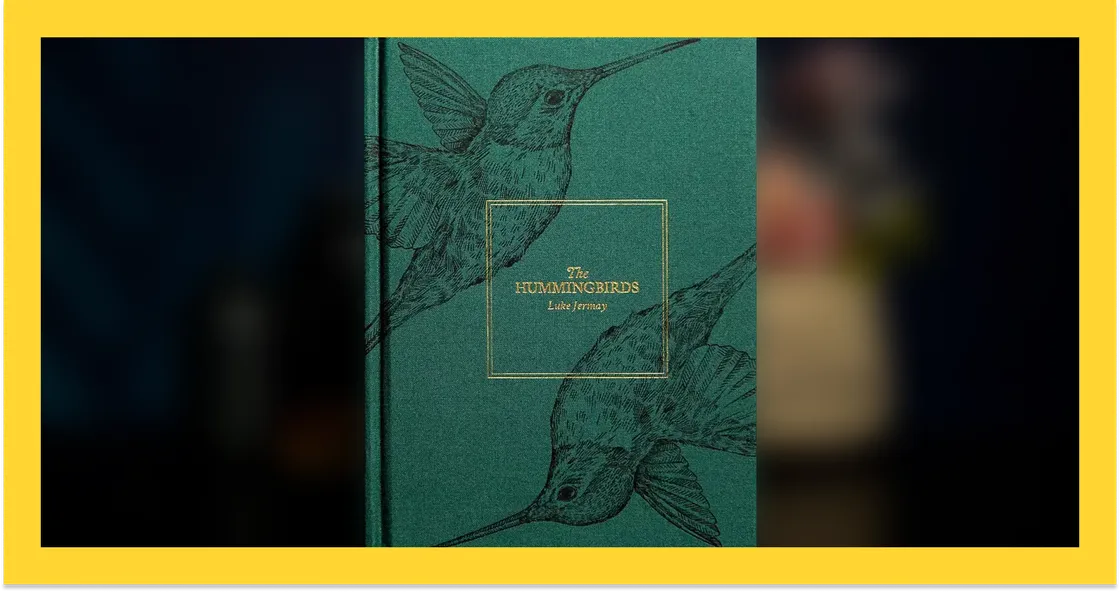
With some lovely choice words, a pack of cards, a magic wand, a wine glass, and a glass bell jar, Luke Jermay has brought to life a piece of art in The Hummingbirds.
Though many effects require assembling props, Borer’s instructions are clear, the materials are affordable, and the DIY process is straightforward. He favors prepared decks, allowing for visually striking methods that pure sleight of hand rarely attains.
Looking at the cover and the title, you would think this was a theory monograph. It’s actually a card trick. And while most magic releases are engineered to be as easy as possible, this card trick is complicated, hard, and will absolutely not go “right into your show.”
Oliver Meech has produced an easy-to-read collection of even-easier-to-do card material. It is quirky in a Paul Harris, Jay Sankey sort of way that screams “don’t take me too seriously.”
Flamenco is the third in the series of “Bewitched Music” following Sonata (1989) and Mnemonica (2004). Distinct from the other celebrated trilogy that deals with magic in a more abstract theoretical way, this book is tricks and sleights from cover to cover.
From the early 19th century to the present, magicians have devised ingenious methods to defy gravity on stage. Intrigued by this graceful form of illusion, David Haversat has assembled a sumptuous visual record of its evolution.
Dr. Simon Carmel’s fourth book of notable biographies of deaf magicians is a fascinating look at an amazing subculture of our art.
Magicians don’t need to still be alive to surprise you. Do you want to read hand-written notes from when Mozart (yes, that one) was studying magic tricks? Thanks to Reinhard Müller and Rainer Buland, now you can.
Enclosed in the 242 pages of Aurelio Paviato’s Studies in Deception is the conjuror’s equivalent of Bach etudes: a dozen complete, professionally stage-tested routines that each focuses on a specific set of sleights and techniques for better structuring one’s magic.
A moment by moment description of this FISM-winning act by Markobi. Readers really benefit from the detailed descriptions of the routine approach and construction.